Products
01
Five product families organized into a clear technical catalog.
Organic tubular, ceramic, hollow fiber, spiral membrane and containerized mobile systems are now grouped with advantages, parameters and product modules.
Open module →Kaimi connects membrane R&D, manufacturing, equipment integration and engineering service for industrial separation and wastewater reuse projects.
Move from product selection to process applications, technical resources, case references and direct project inquiry.
Organic tubular, ceramic, hollow fiber, spiral membrane and containerized mobile systems are now grouped with advantages, parameters and product modules.
Open module →Food, fermentation, biopharma, chemical, industrial reuse, decentralized, municipal and leachate treatment are presented as modern solution cards.
Open module →Technical articles and datasheet references support membrane selection, model comparison and project evaluation.
Open module →Project references are grouped by application market and connected to solution consultation paths.
Open module →Founding facts, scale, OEM partnerships, installed systems and delivery capability are presented for fast evaluation.
Open module →Real business contact details remain visible while the inquiry fields become more useful for overseas buyers.
Open module →Each family is positioned by application fit, operating marker and related product entries for technical comparison.
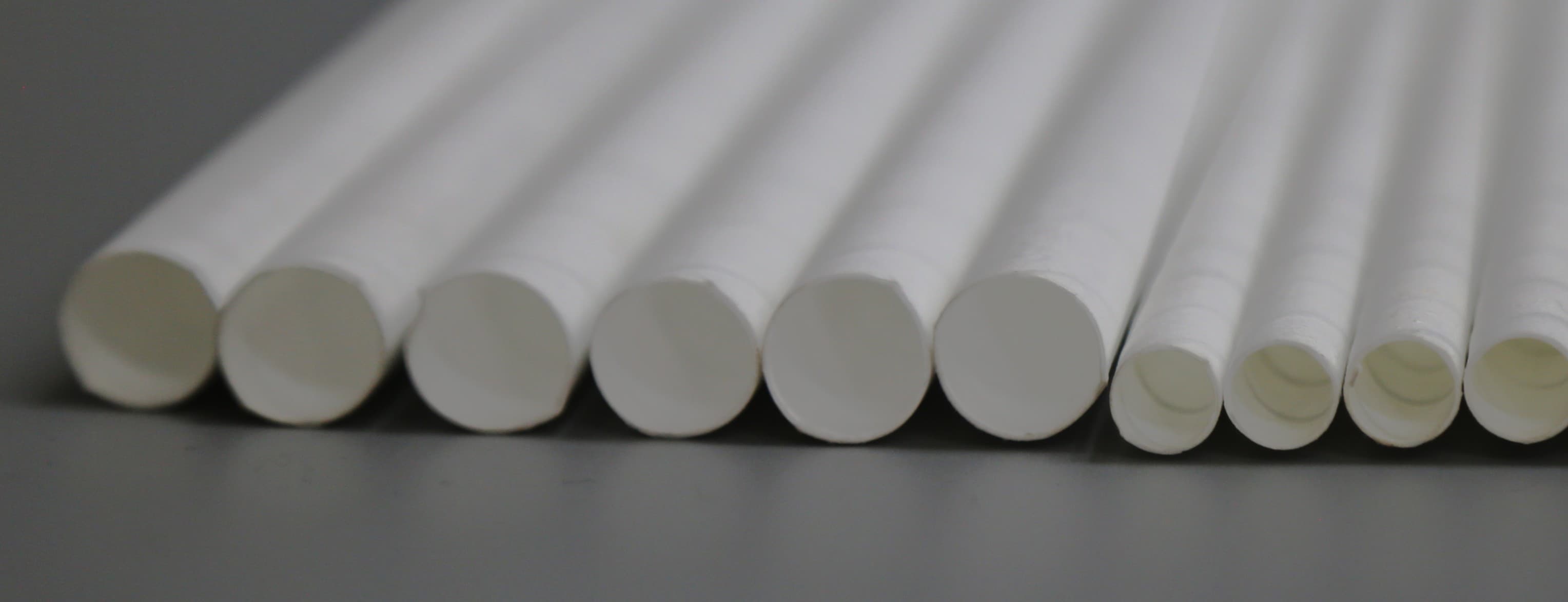
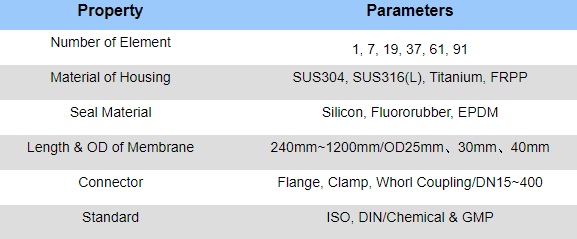
Tubular membrane is cast on glass fiber synthetic paper, nonwoven cloth, plastic or stainless steel support with 5-25 mm diameter and 0.3-6 m length, then assembled into plastic or stainless steel housings.
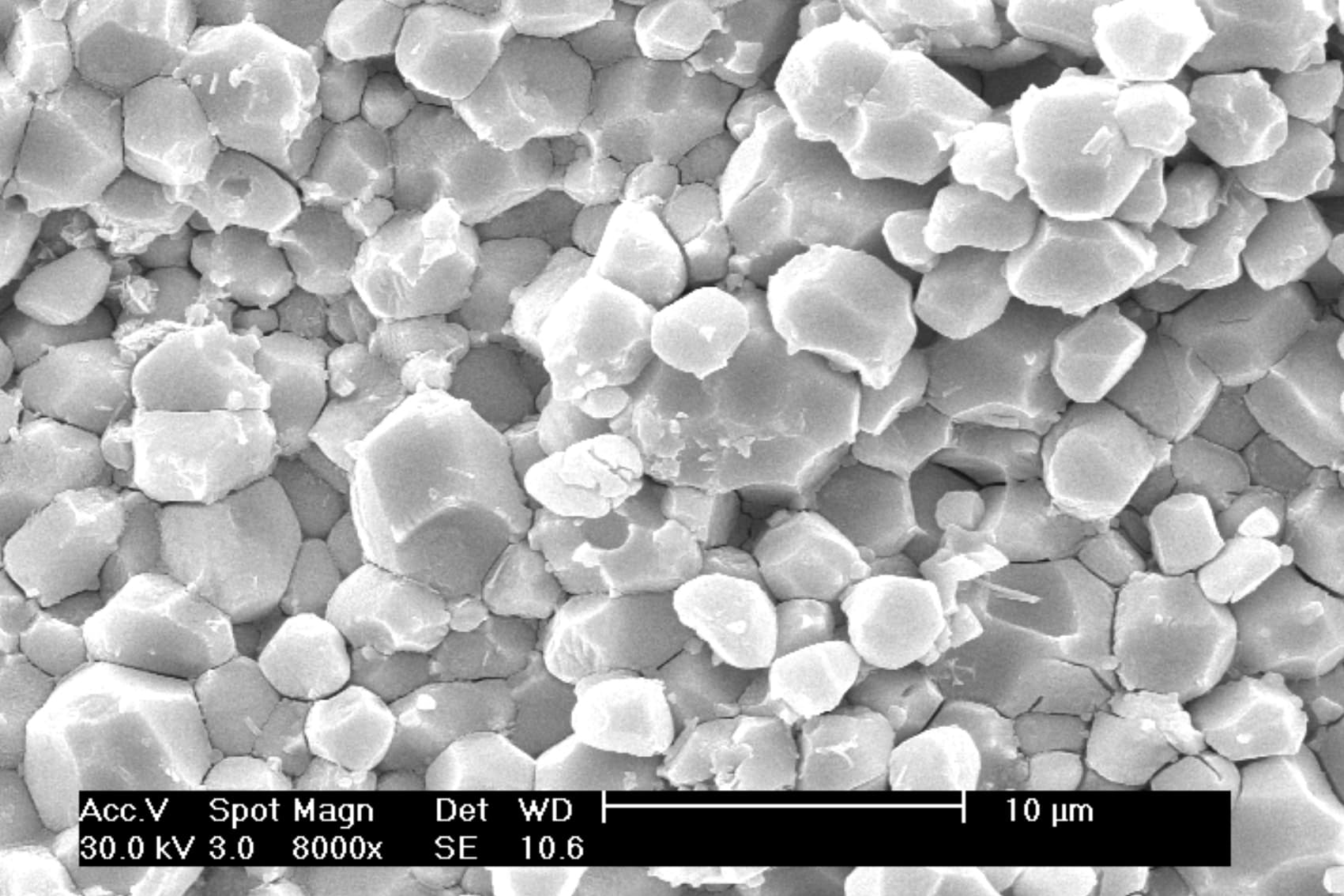
Ceramic membrane is a porous fine ceramic filtration material sintered from aluminum oxide under ultra-high temperature, with asymmetric support, active membrane and separation layers.
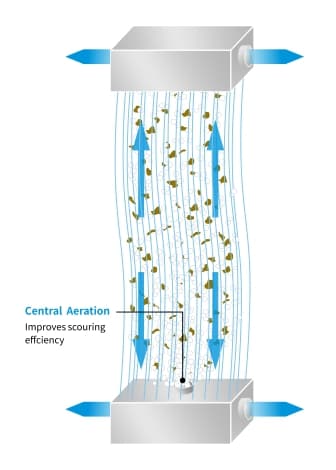
The MBR product line combines activated sludge biological treatment with efficient membrane separation, replacing the secondary sedimentation tank and improving sludge concentration and water quality.
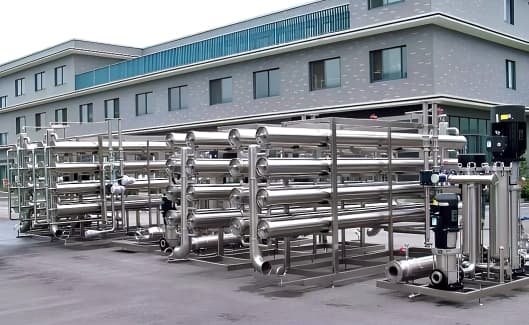
Spiral membrane uses flat membrane sealed into envelope-like bags. Two bags are separated by mesh spacing material and wound around a porous center tube.
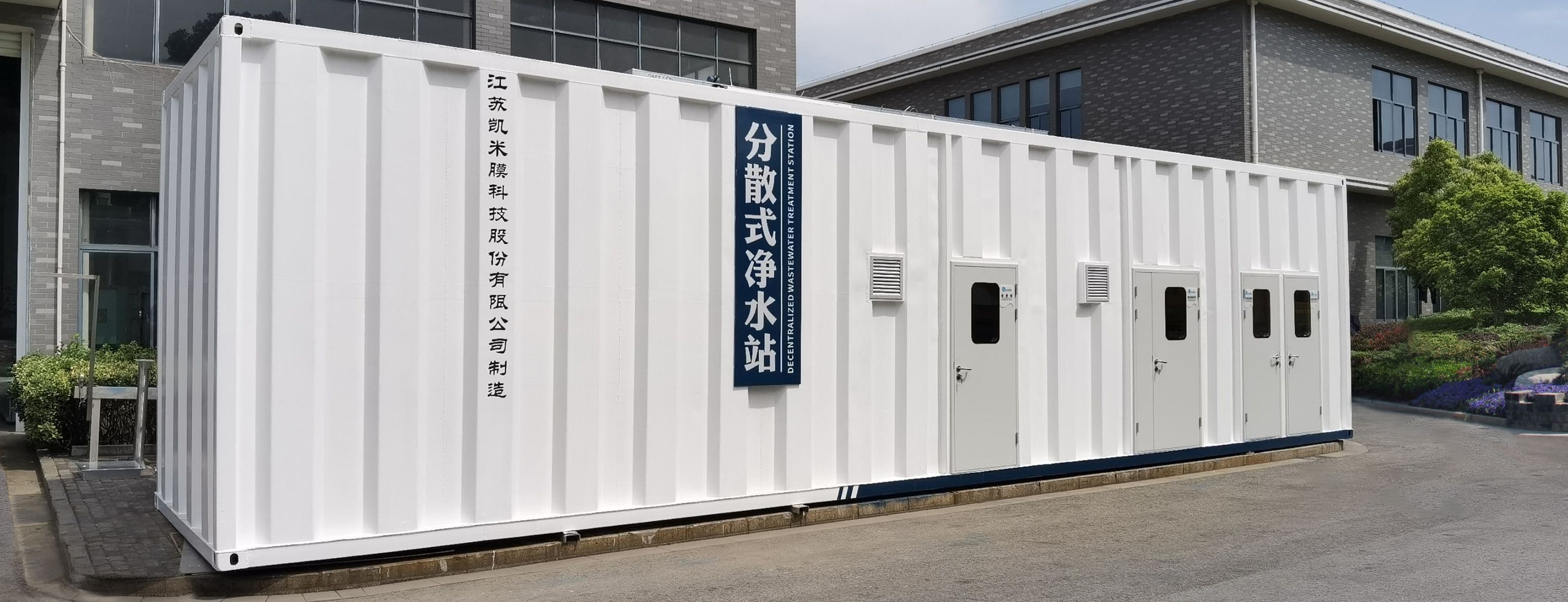
A packaged wastewater treatment system with treatment equipment preinstalled in an ISO shipping container. A single set can treat 200-500 m3/d and can be reused or combined.
Food, fermentation, biopharma, chemical processing and wastewater reuse projects require different membrane routes, operating assumptions and validation steps.
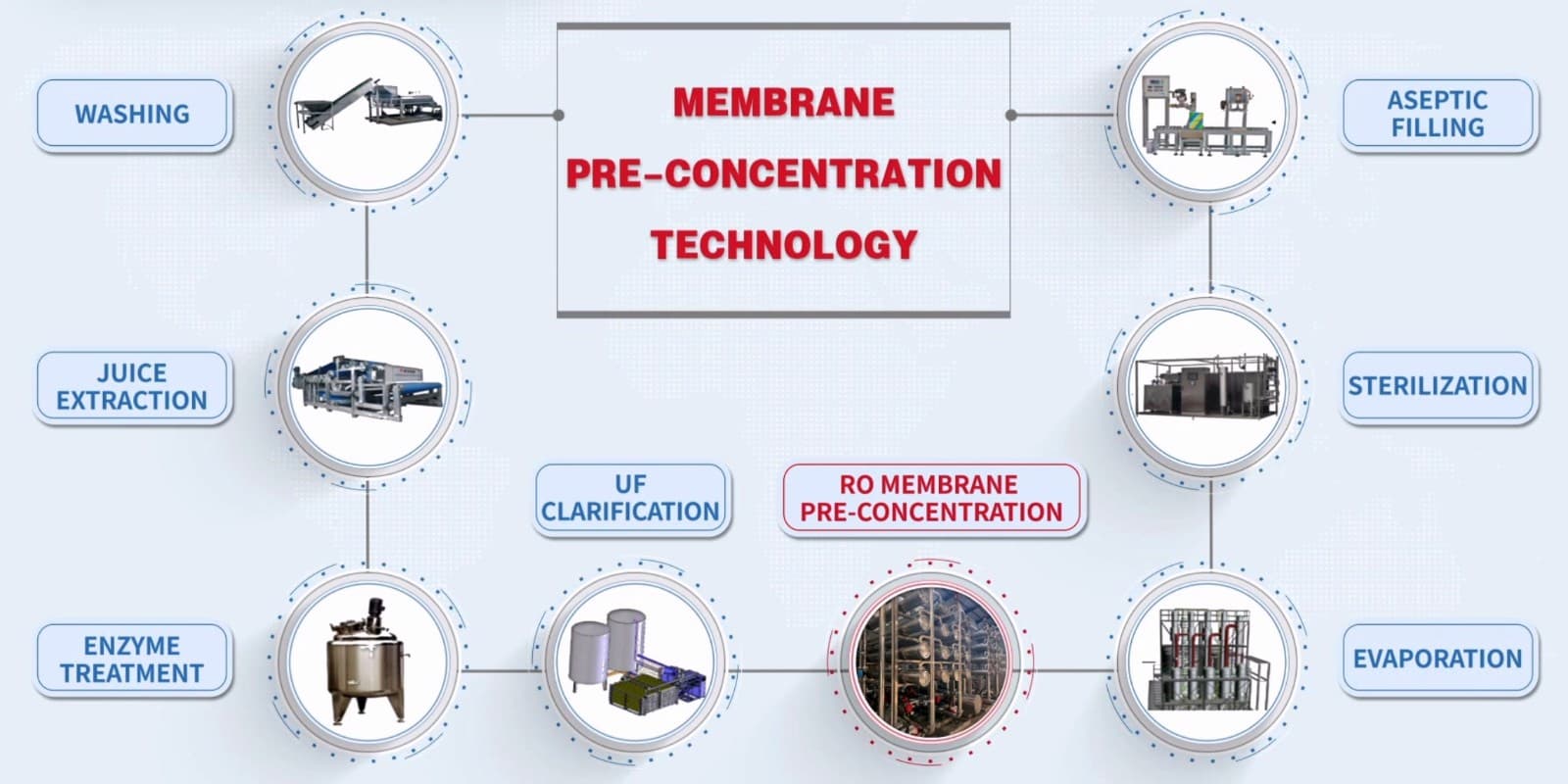
Membrane filtration upgrades traditional juice processing by reducing reliance on filter aids while helping remove bacteria, microorganisms and turbidity.
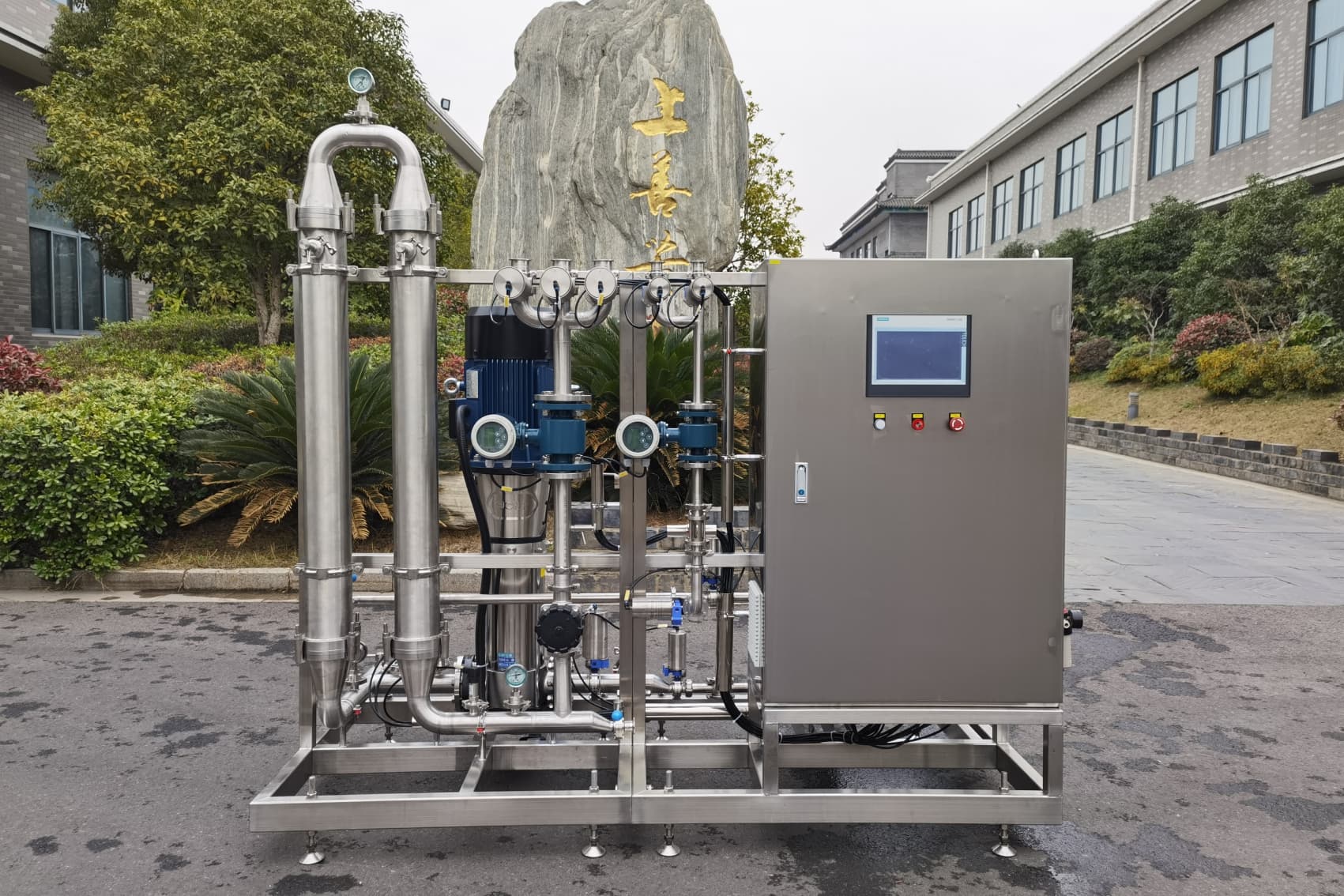
Fermentation broth is described as a complex mixture of organisms, soluble molecules, electrolytes, proteins, polysaccharides, enzymes, sugars and organic acids, requiring clarification and purification steps.
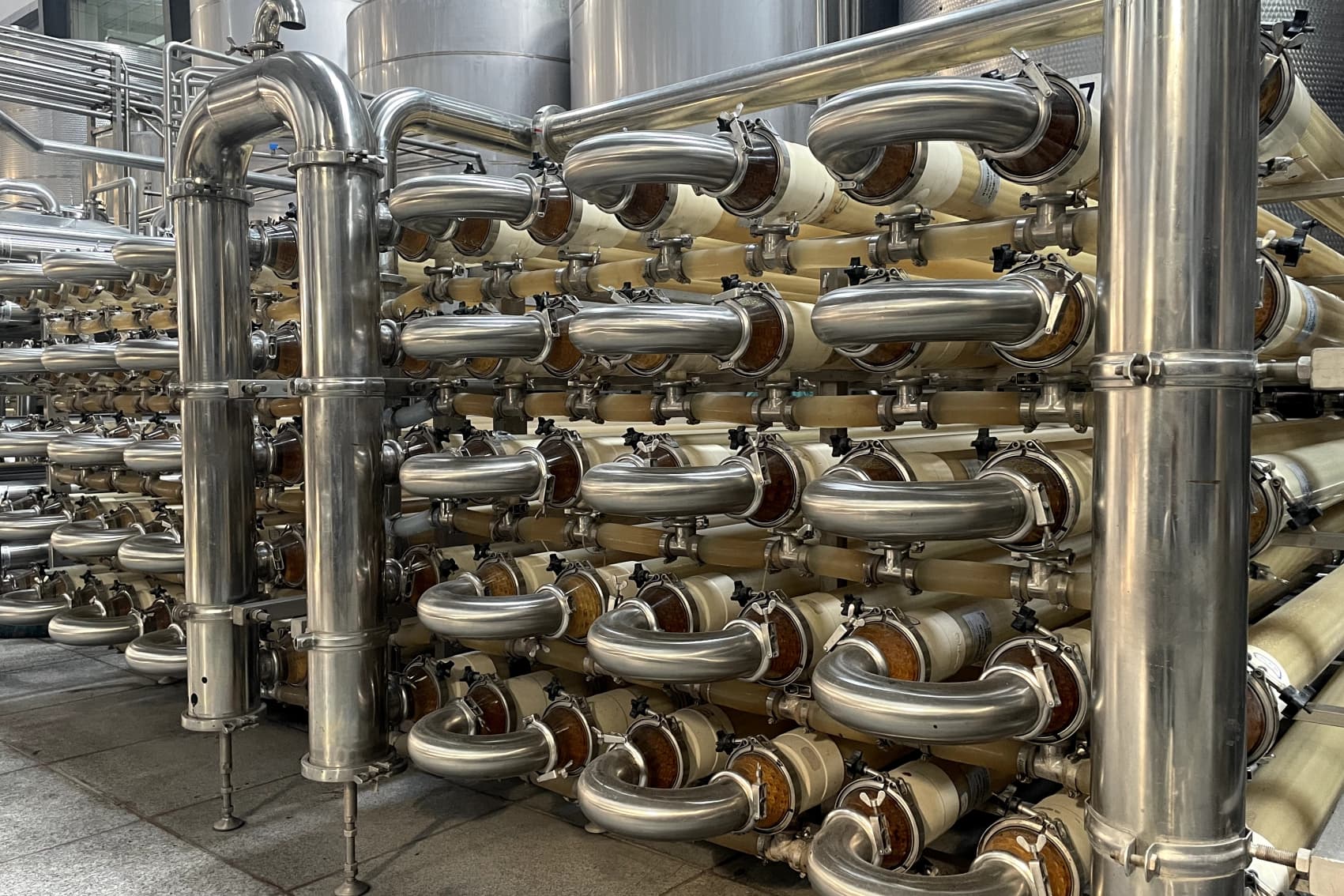
Biopharma and herbal extraction content focuses on removing fine dregs, sediment, bacteria, starch, resins and oils while protecting active ingredients and improving operating conditions.
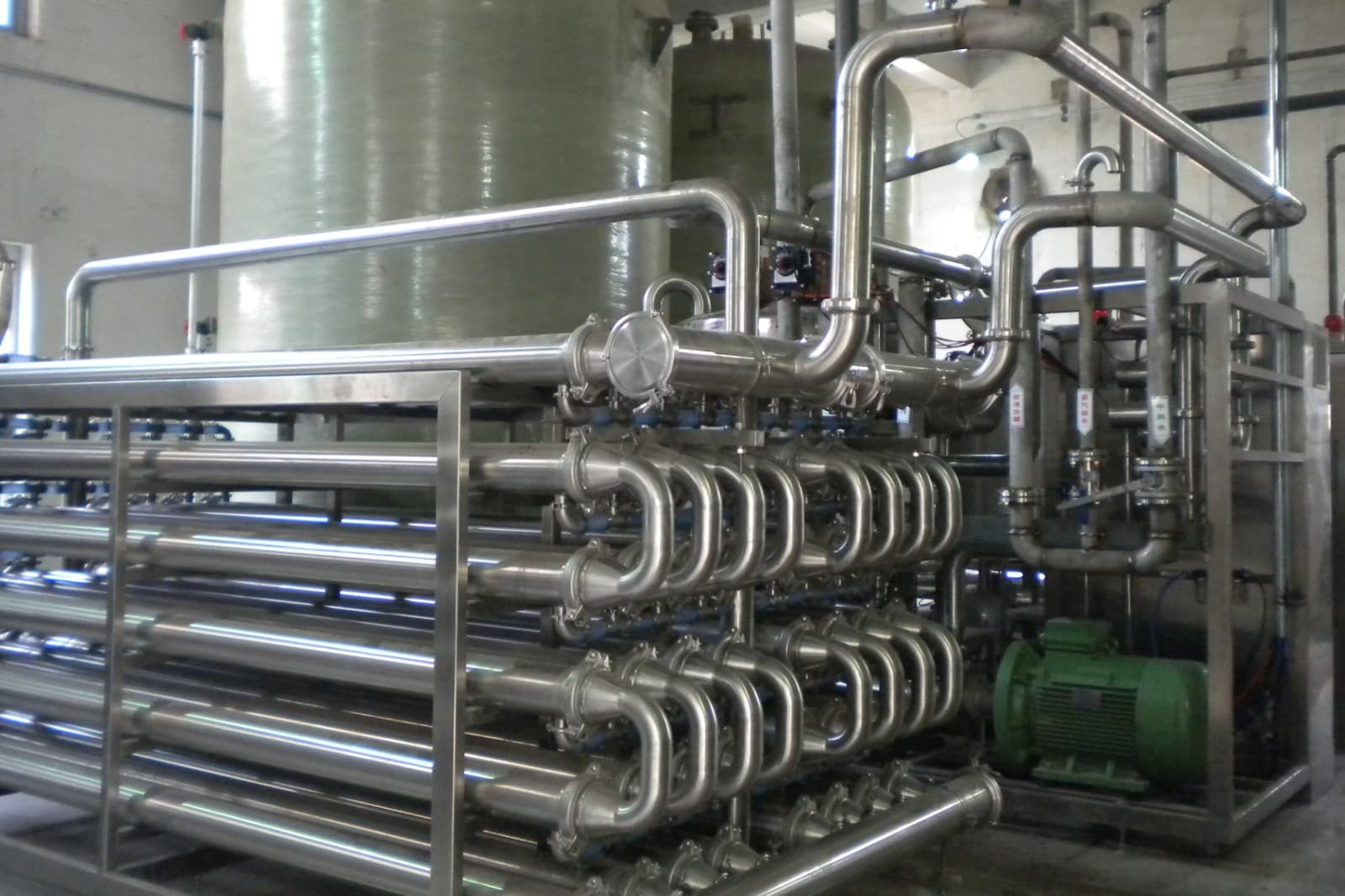
Chemical applications include brine refining, waste alkali recovery and ultrafine powder production. The brine refining page highlights tubular and nanofiltration membranes for sulfate reduction.
Case references help connect application needs with membrane products, treatment routes and engineering discussion.
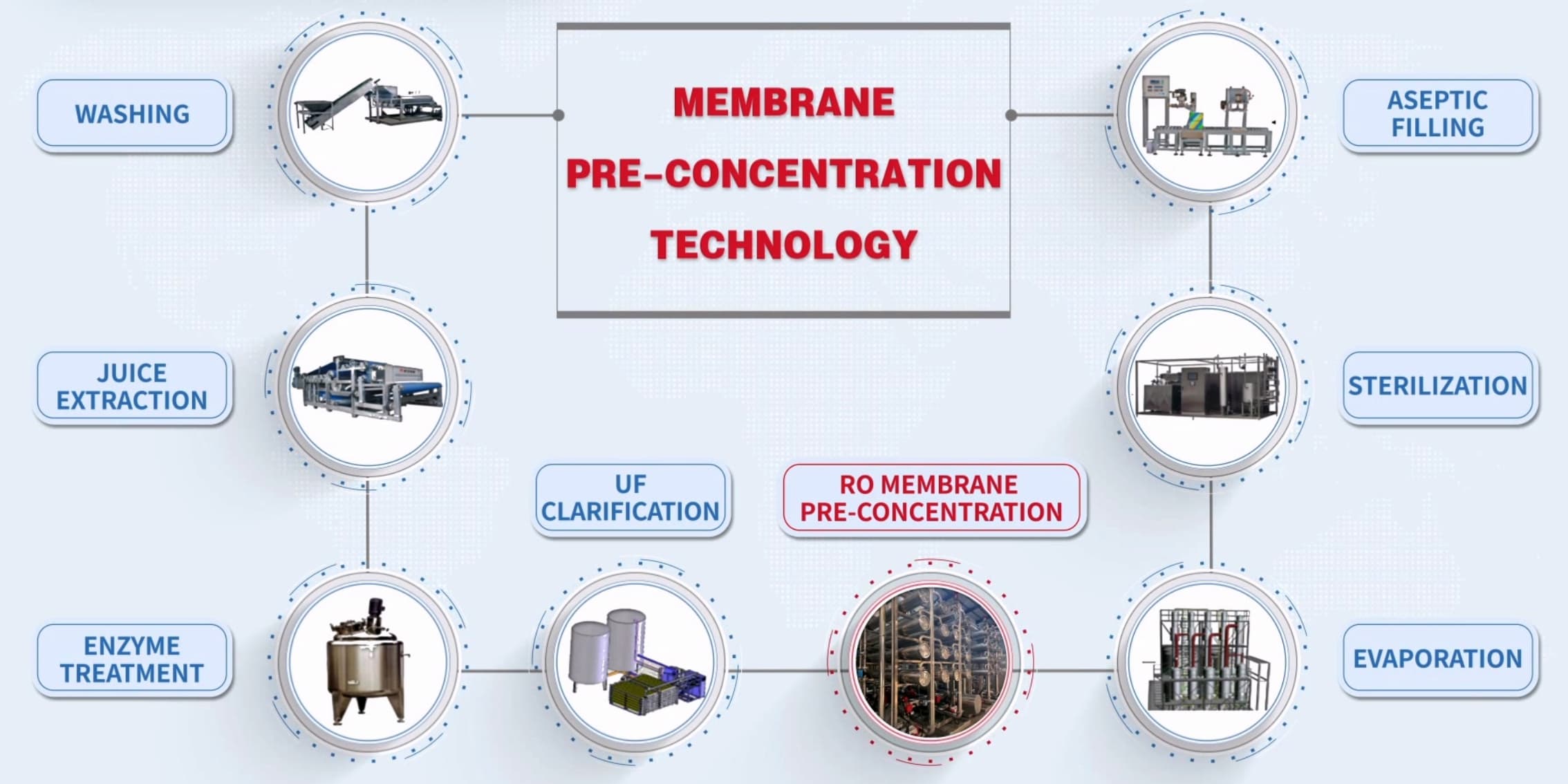
Food and beverage reference for RO membrane pre-concentration in juice processing.
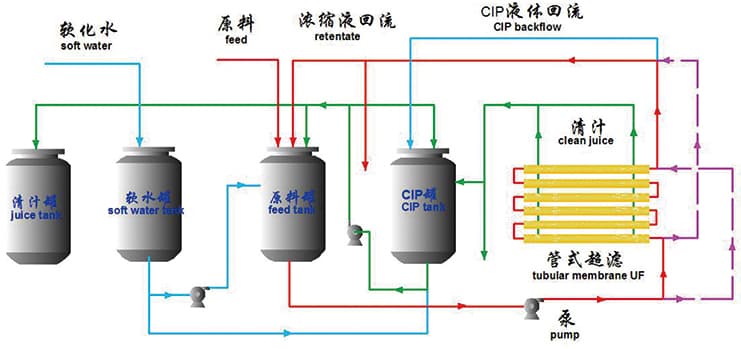
A food application case connected to sanitary tubular membrane and juice clarification requirements.
Fermentation broth reference for ceramic membrane filtration in amino acid production.