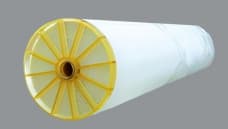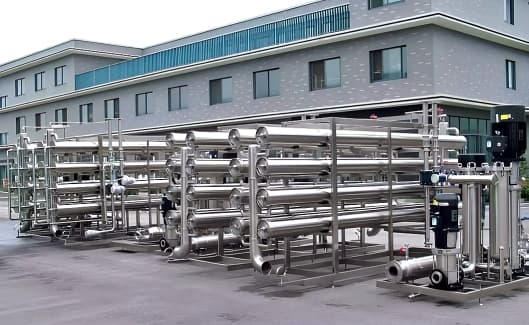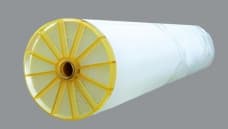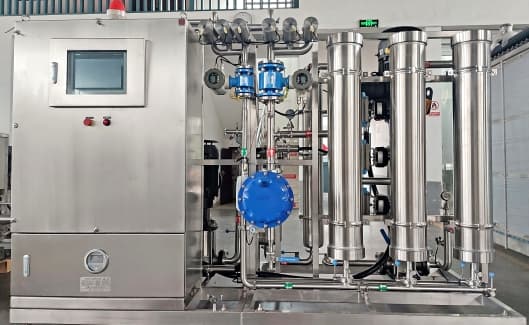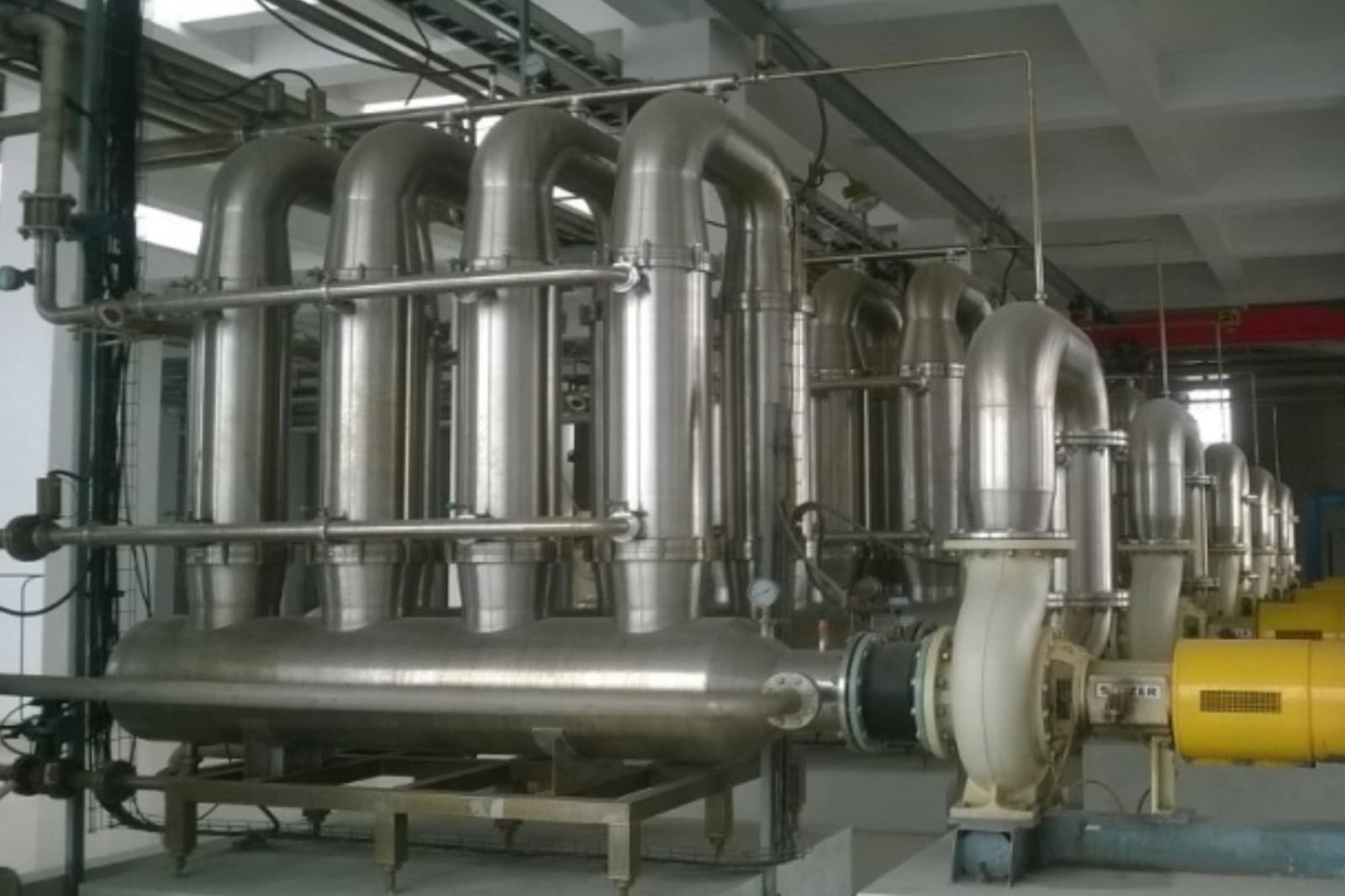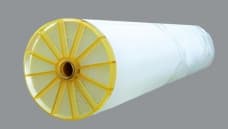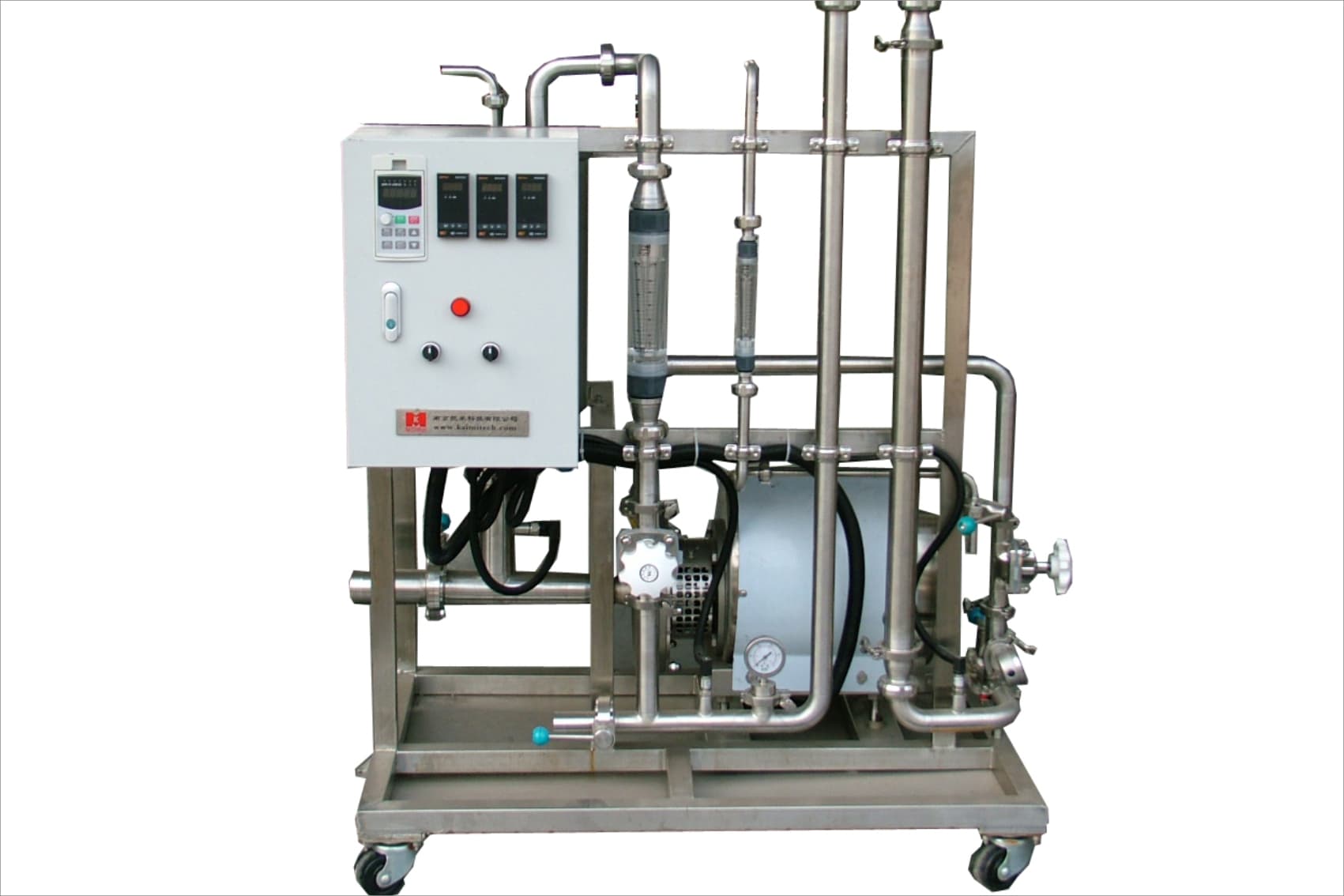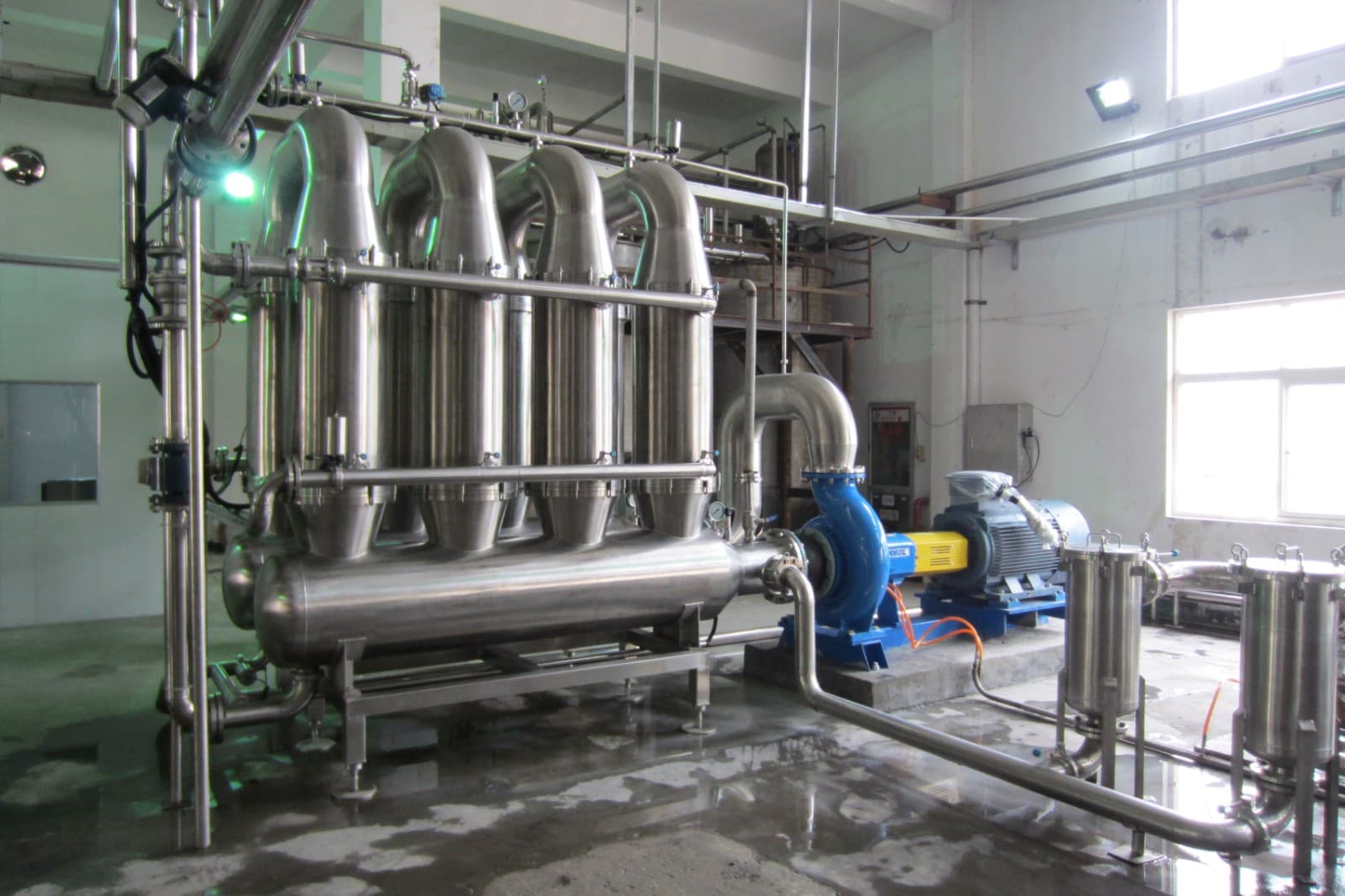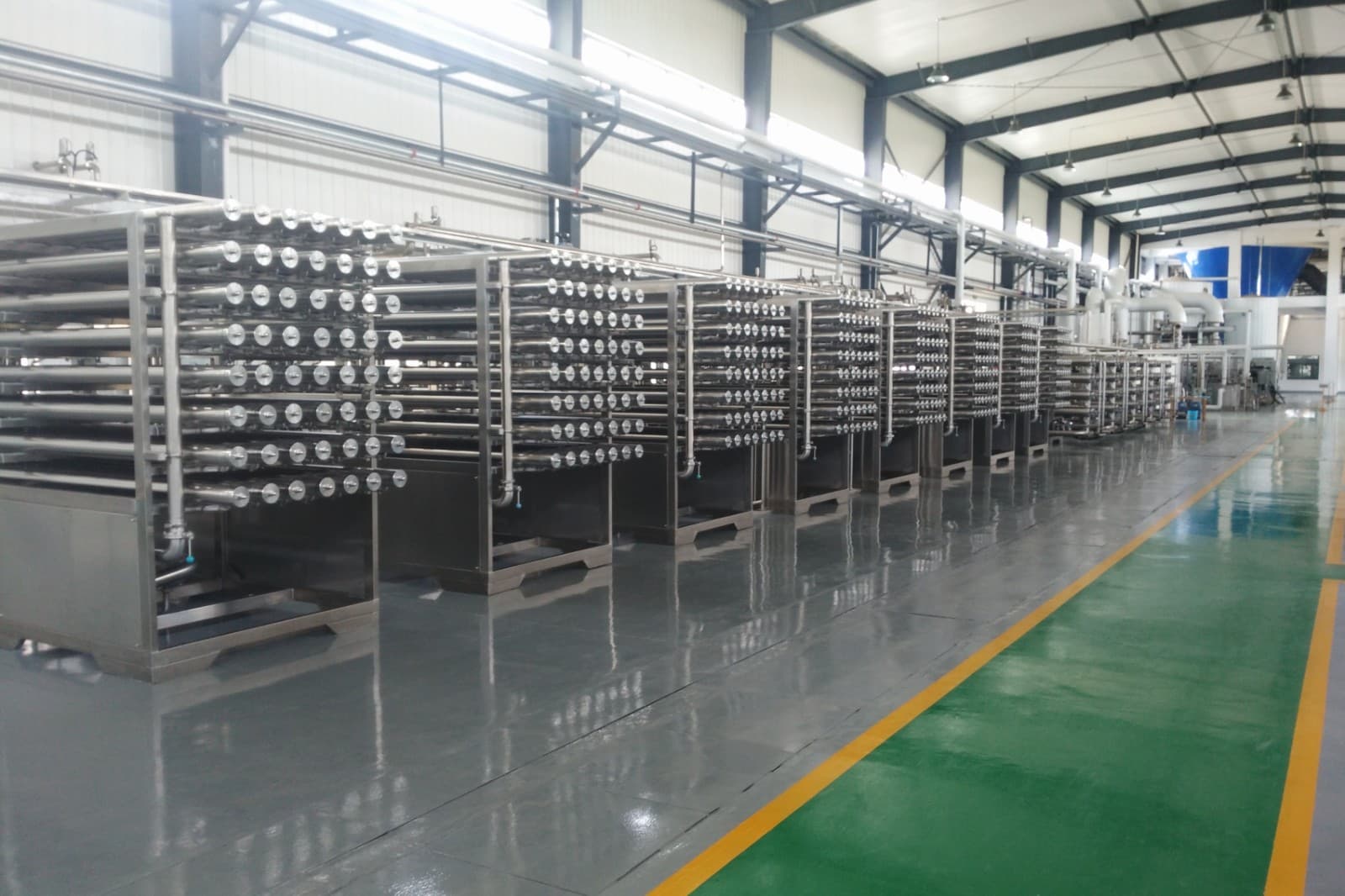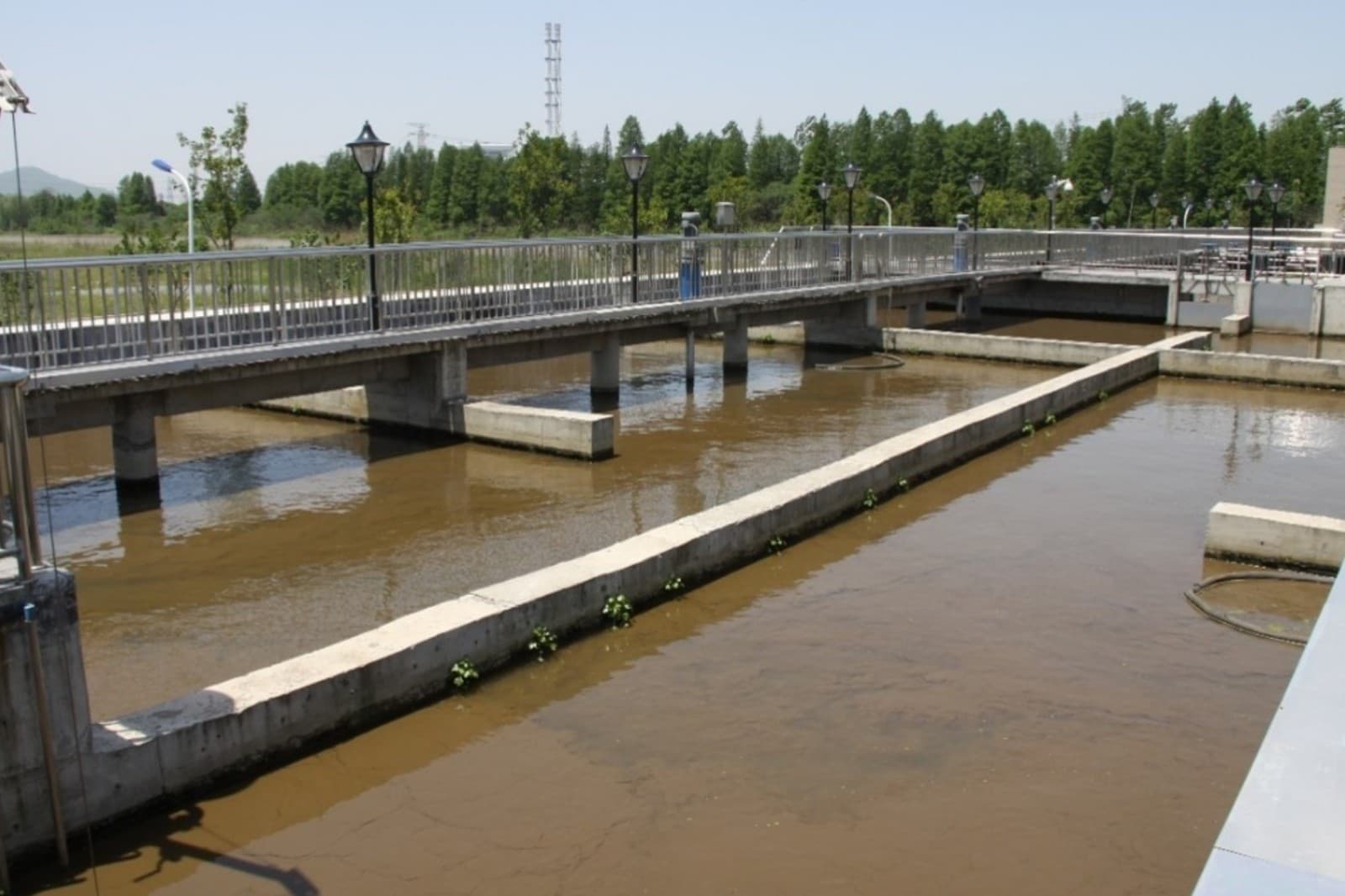
Application pathways for process separation and wastewater reuse.
Applications / Solutions

Application pathways for process separation and wastewater reuse.

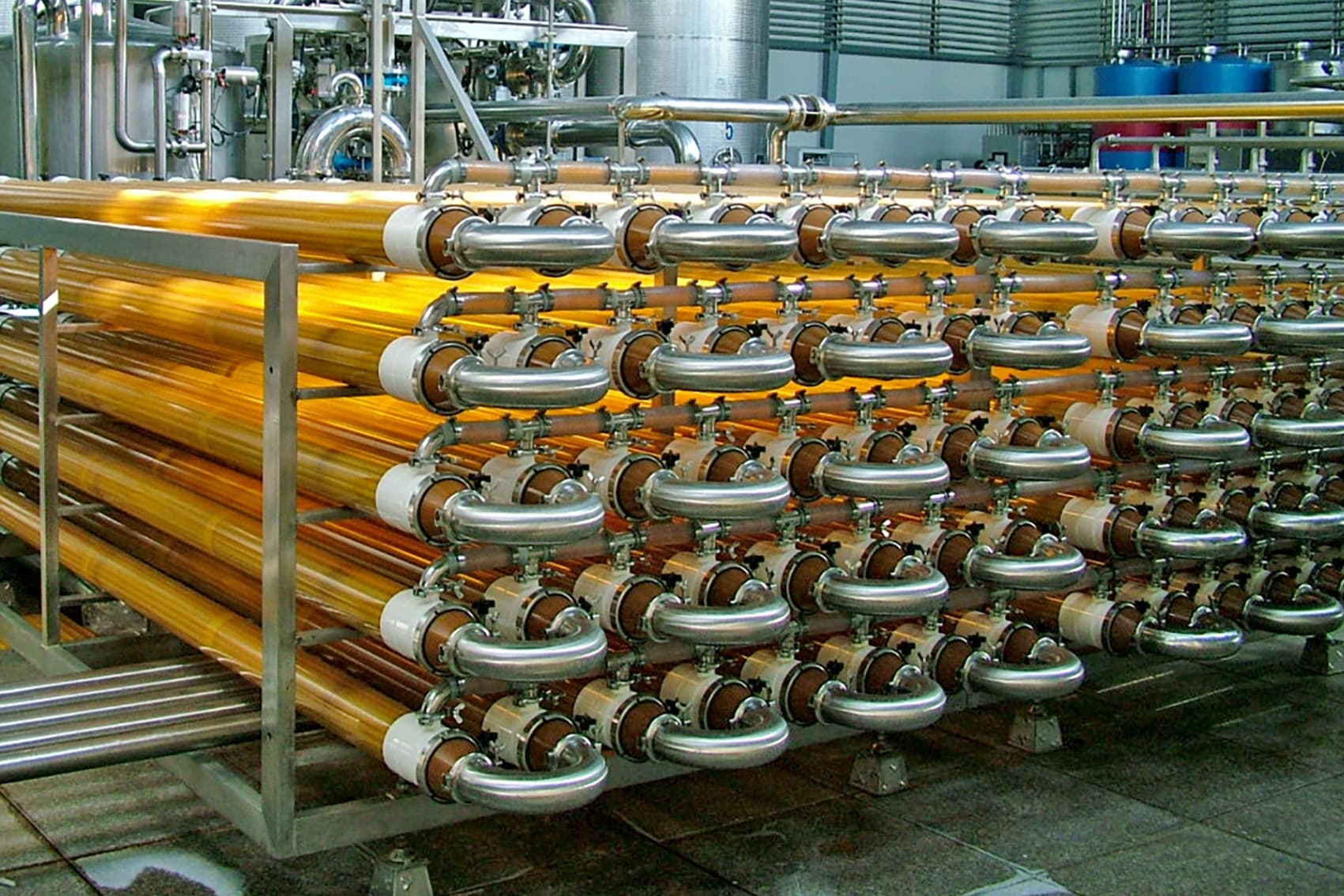
Kaimi membrane solutions serve food and beverage, fermentation, biopharma, chemical processing, industrial reuse, decentralized treatment, municipal reuse and landfill leachate treatment.

Solution Framing

Start from the process challenge, then narrow to membrane route and equipment fit.

Application groups cluster similar treatment and separation scenarios so non-technical buyers and engineers can begin from outcomes instead of model names.

Need validation help?

Bring your feed conditions and target quality, and we can point you to the right route.

For new wastewater reuse or process separation projects, a short discovery exchange usually clarifies which product family and verification path should come next.

Solution Families

Eight application routes organized for technical evaluation.

Each industry group introduces the process challenge, suitable membrane route and related application tracks.

Industrial Wastewater Treatment and Reuse
Route 05

Industrial Wastewater Treatment and Reuse

Application Scope

The industrial wastewater category covers high-value reuse scenarios including petrochemical wastewater, produced water, oily wastewater, textile dyeing, electroplating, ink and electronic wastewater.
Decentralized Wastewater Treatment
Route 06

Decentralized Wastewater Treatment

Application Scope

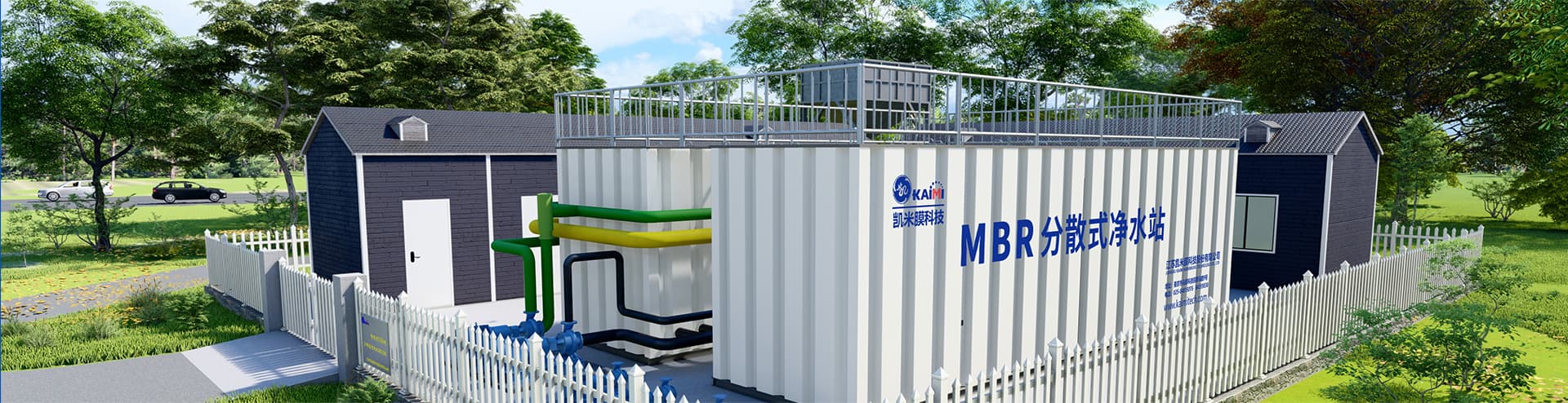
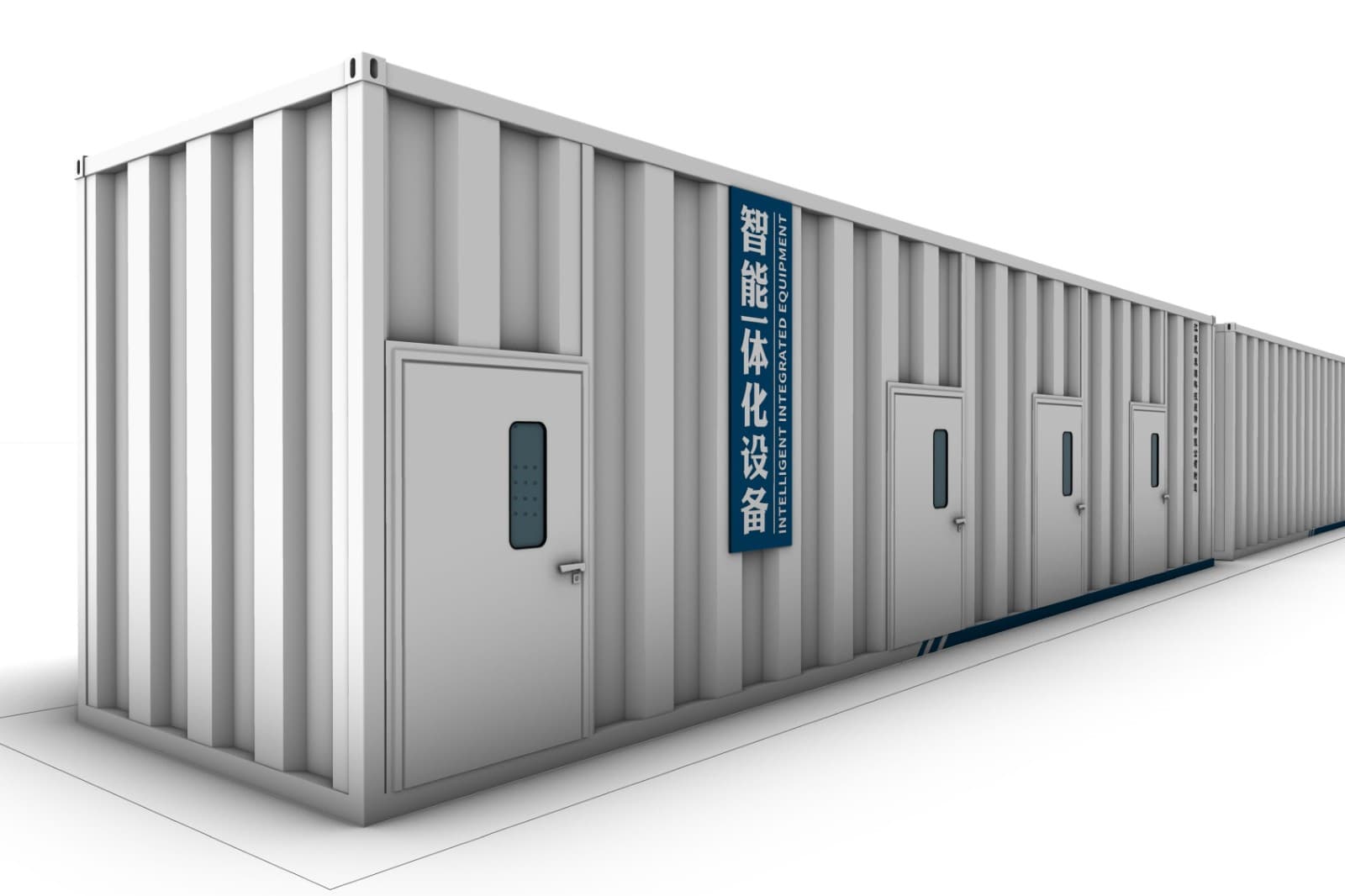
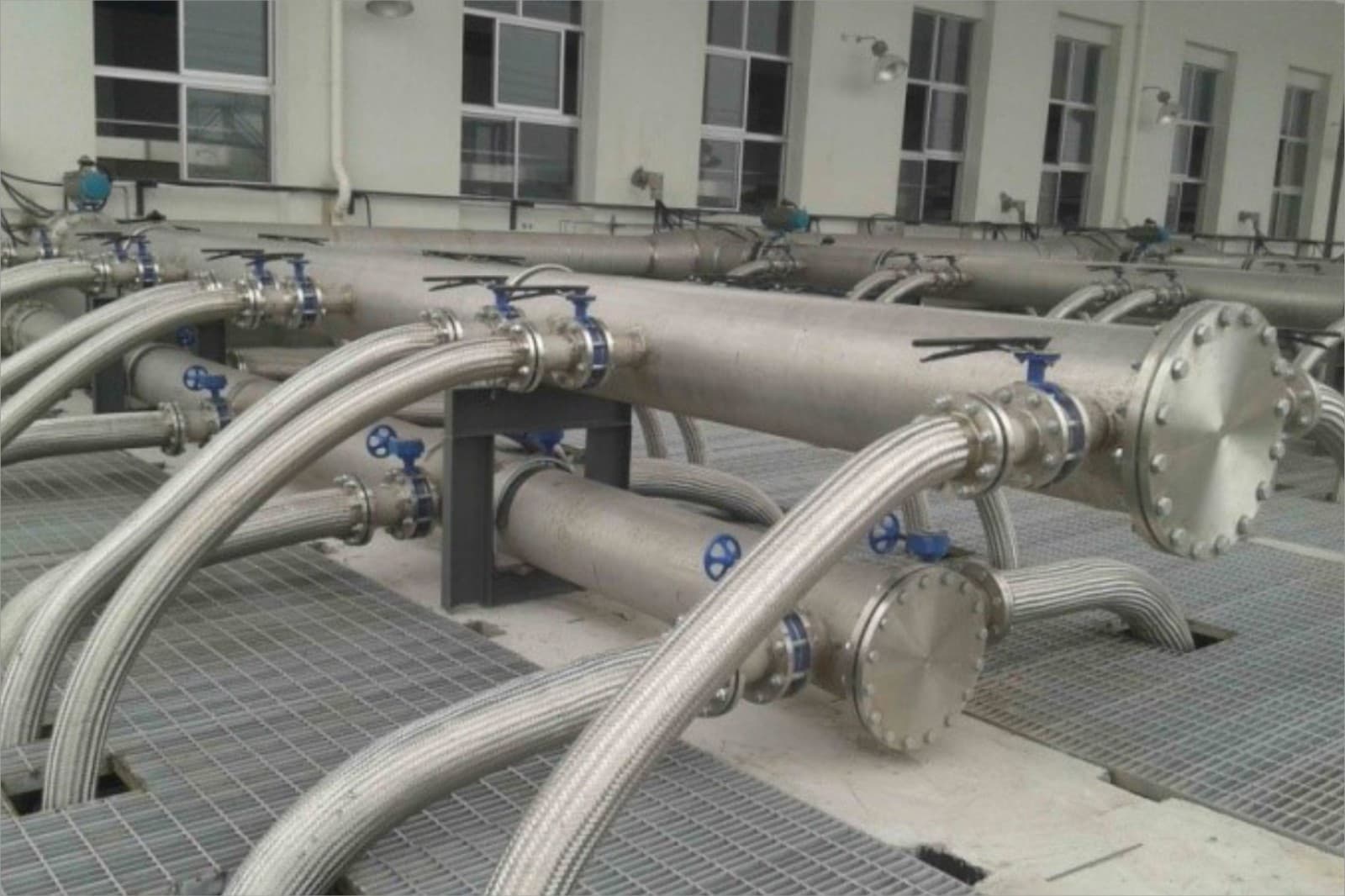
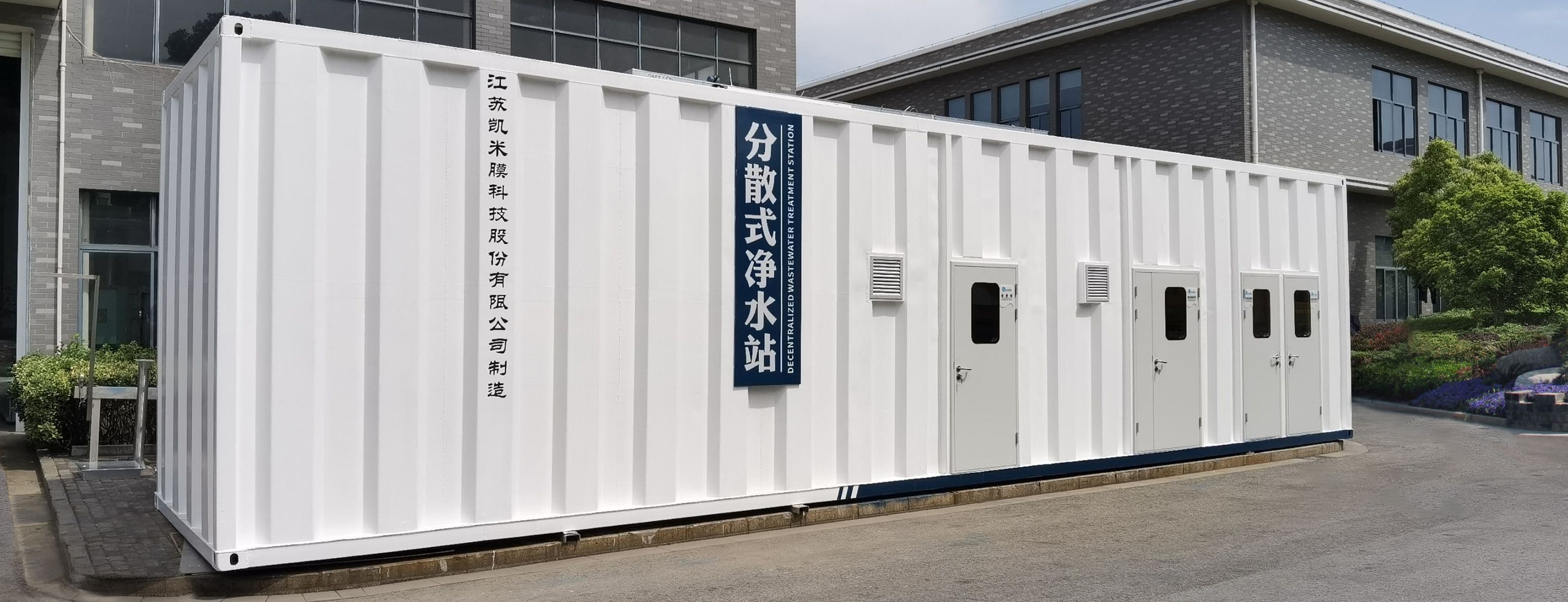
The decentralized page describes integrated point-source sewage treatment for 100-20000 m3/d, suited to urban sewage, rural sewage, river purification, point source sewage and emergency wastewater treatment.
Recommended Products
Containerized Mobile Wastewater Treatment SystemHollow Fiber Membrane Equipment
Discuss this application
Municipal Wastewater Treatment and Reuse
Route 07

Municipal Wastewater Treatment and Reuse

Application Scope

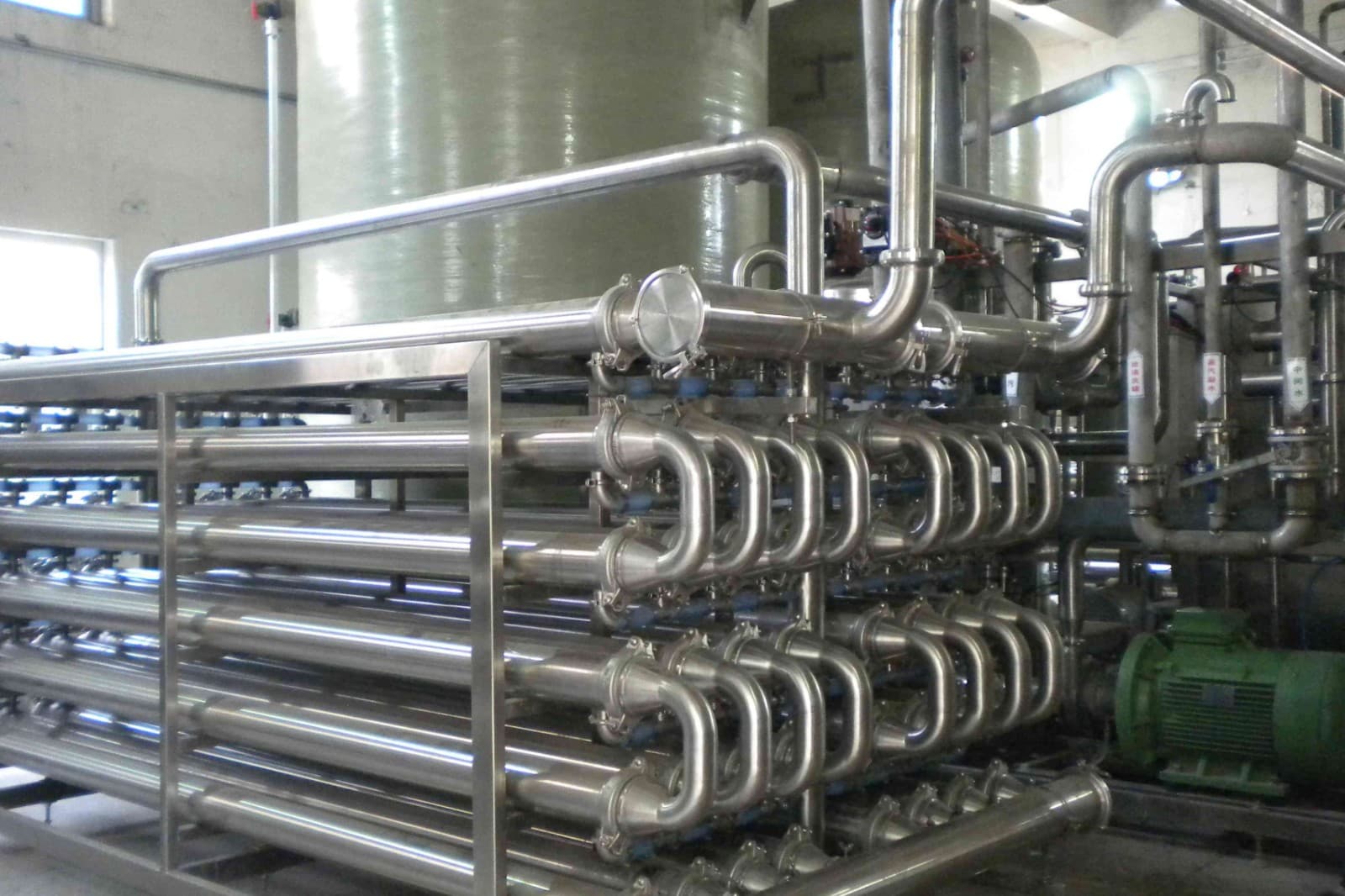
Kaimi's municipal content highlights membrane filtration as state-of-the-art technology for clean water production and advanced municipal and industrial wastewater treatment.
Recommended Products
Hollow Fiber Membrane EquipmentCeramic Membrane Equipment
Discuss this application
Landfill Leachate Treatment
Route 08

Landfill Leachate Treatment

Application Scope

Landfill leachate is high-concentration organic wastewater with complex constituents and variable quality. Combined physicochemical and biological membrane treatment provides a practical treatment route.

Recommended Products
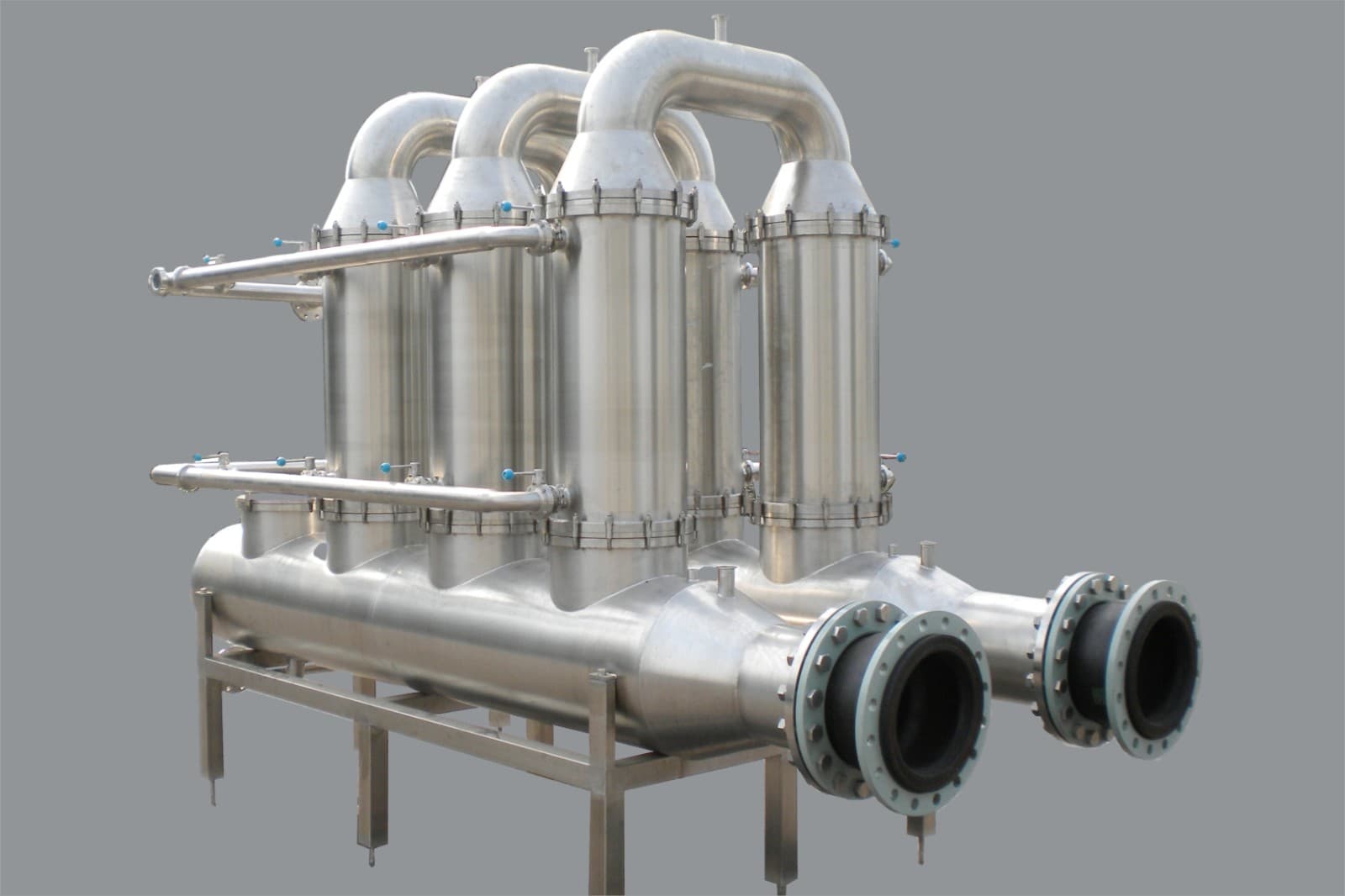
High Packing Density Membrane ModuleTubular Membrane Equipment
Discuss this application
Application Details

Detailed process scenarios by industry.

The content below follows the application hierarchy, with each scenario connected to treatment challenges, membrane route and recommended products.

Food & Beverage

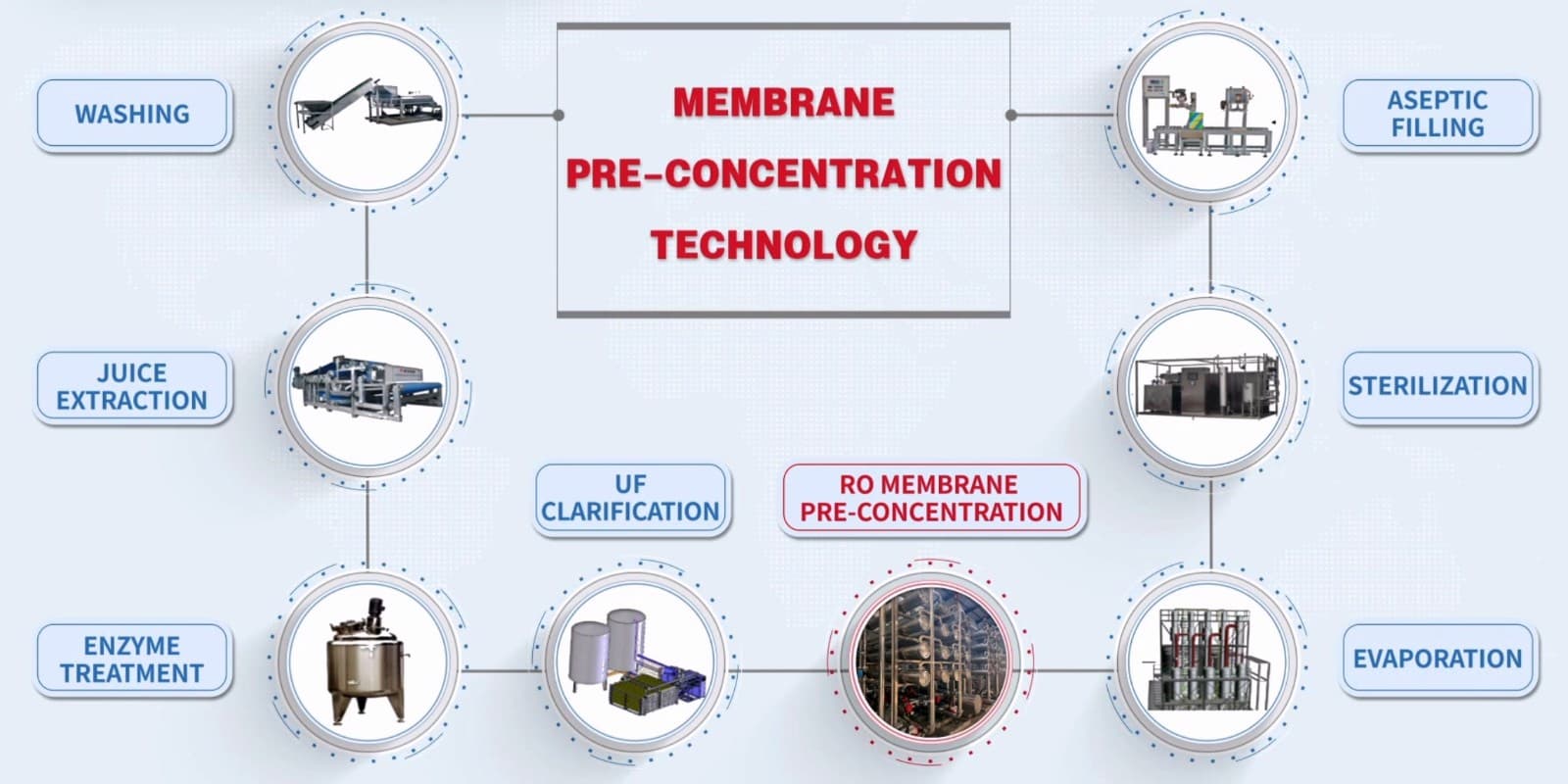
Juice Clarification and Concentration
Food & Beverage

Juice Clarification and Concentration

Process Overview
View detail page →

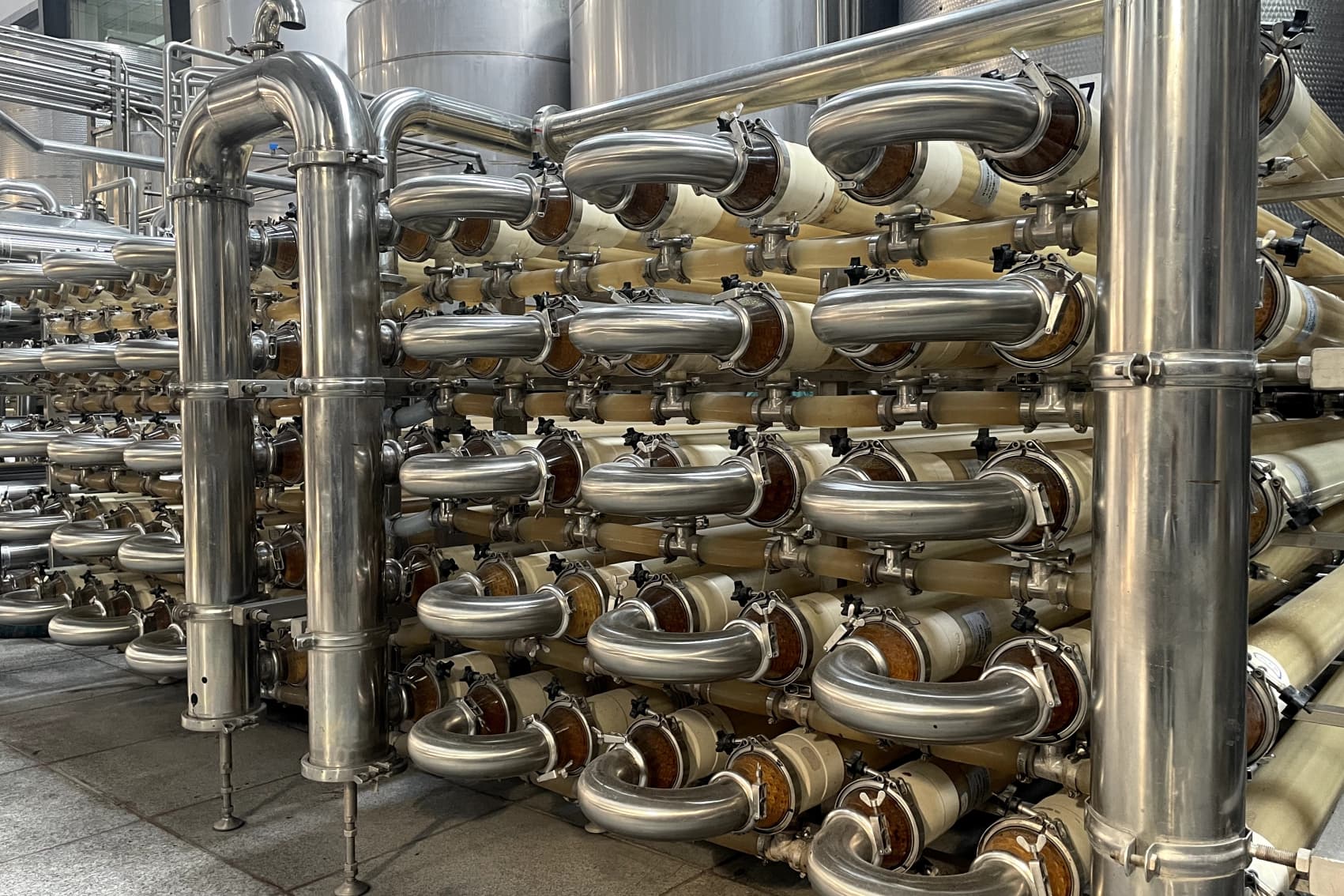
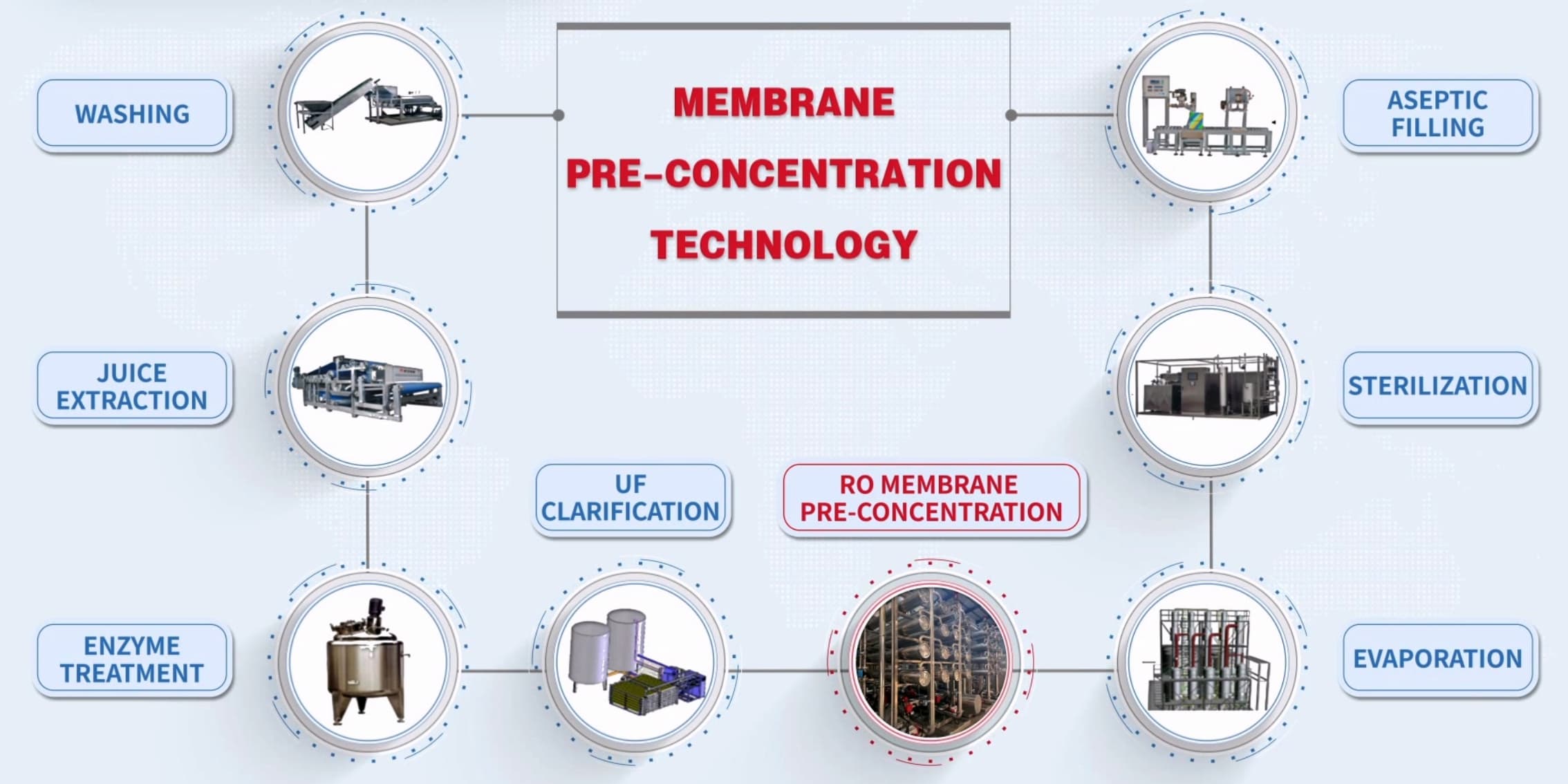
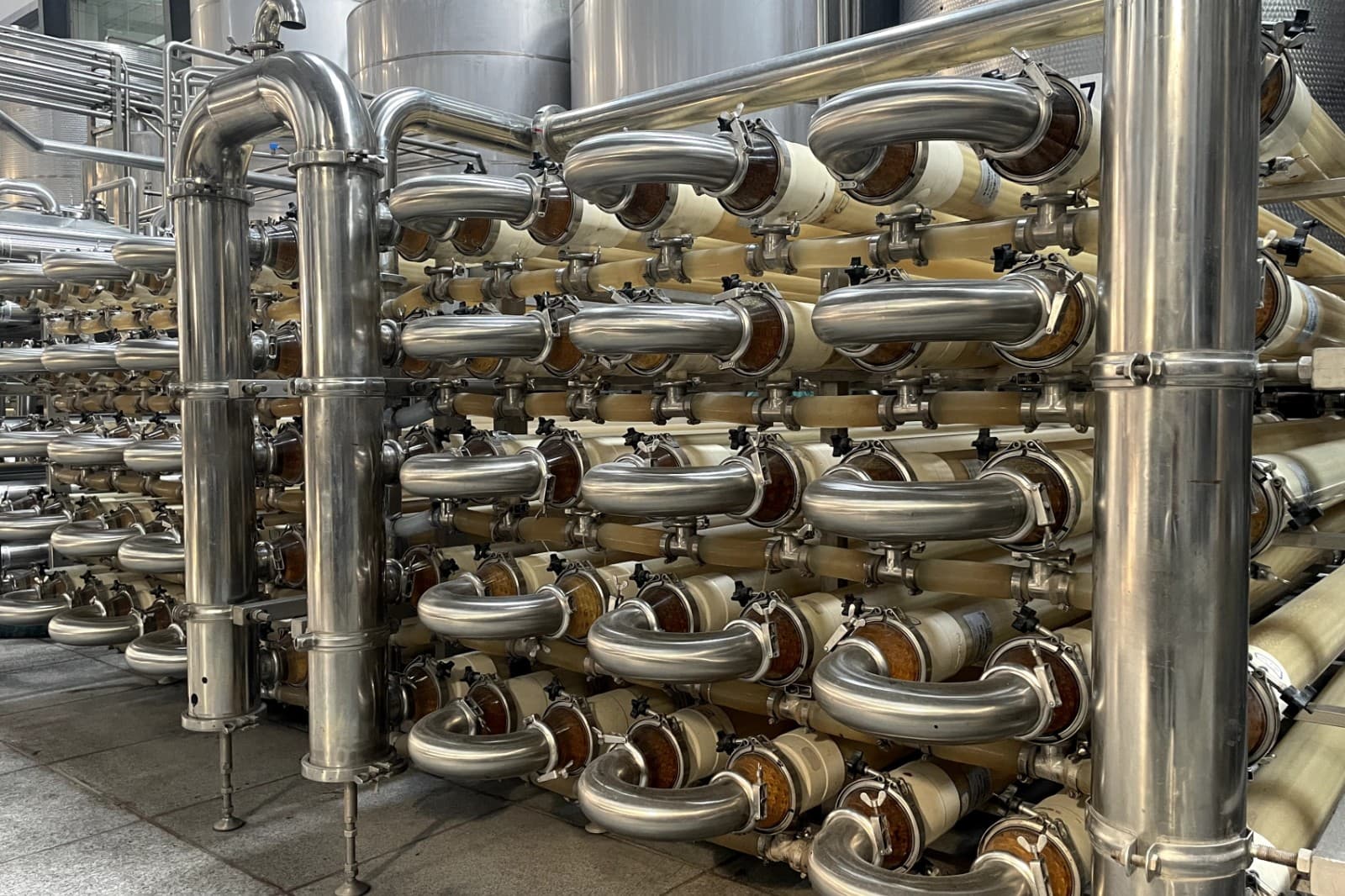
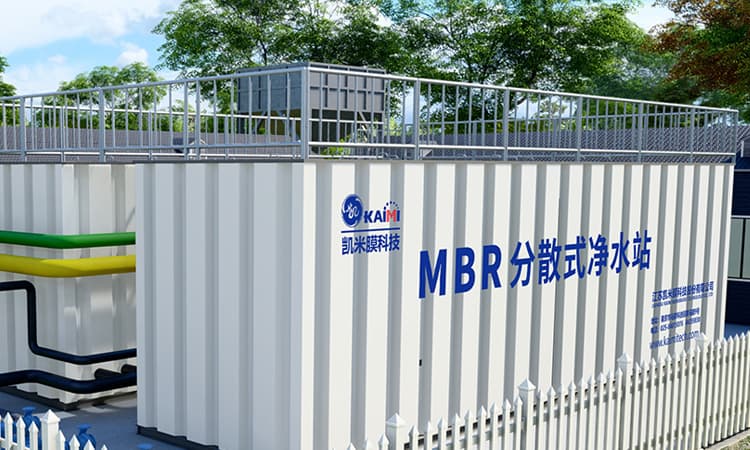
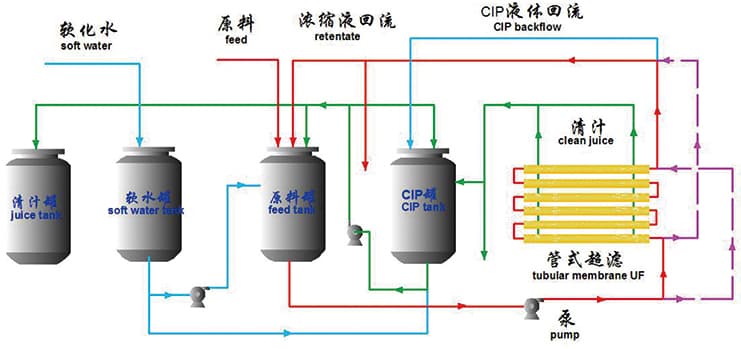
Tubular membrane filtration helps clarify fruit juice by removing turbidity, bacteria, pectin and crude protein while retaining color, aroma and nutrients.

Treatment Challenge

Traditional juice processing often relies on coarse filtration, finishing filtration, centrifuges, filter aids and clarifying agents. The process can be complicated, operating cost can be high and shelf life may be limited.

Solution Route

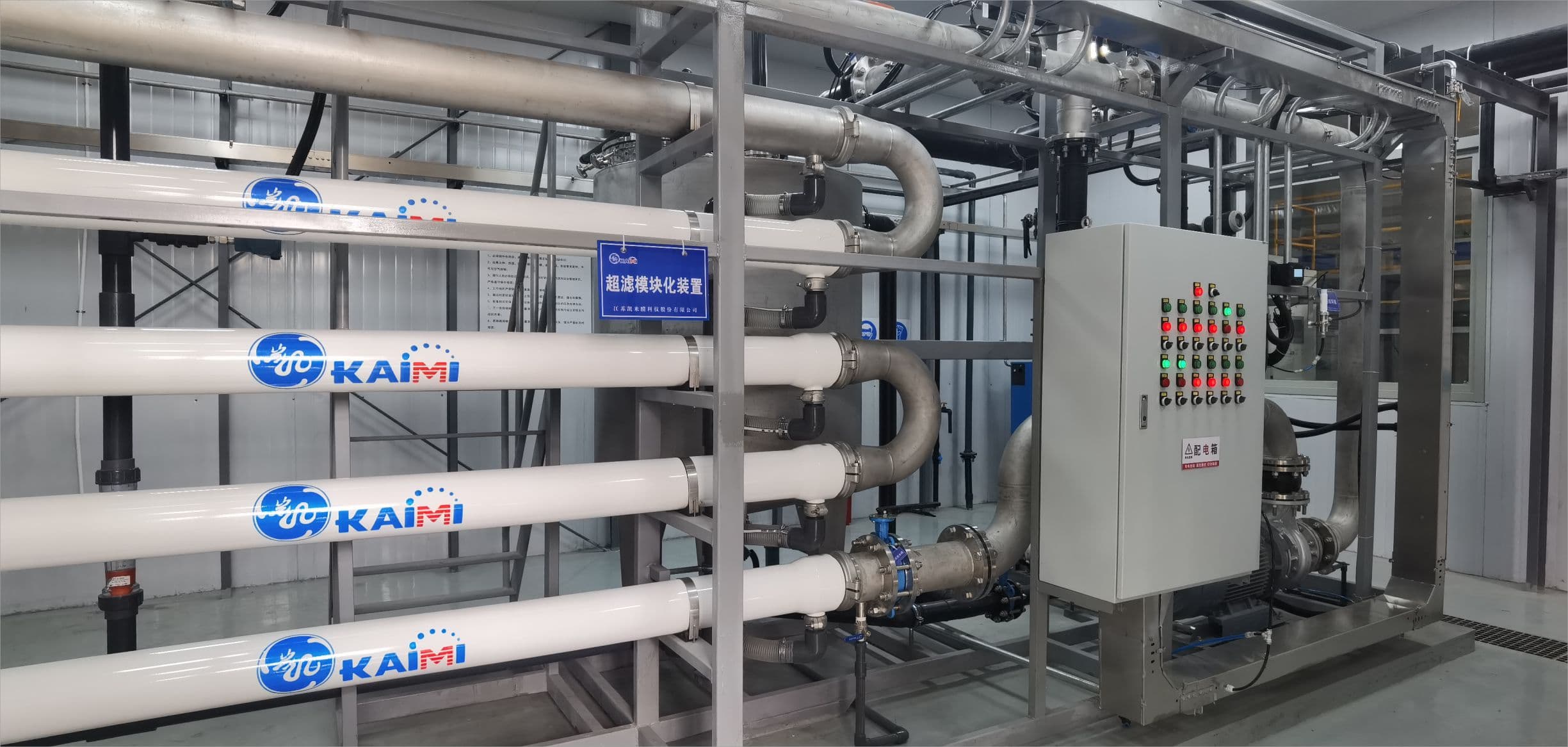
Kaimi applies sanitary tubular membrane systems to apple, pear, peach, orange, lemon, cherry, pomegranate, cranberry and other juice clarification and concentration lines.
Buyer Benefits
  • Reduced use of filter aids and clarifying agents
  • Improved product clarity and sensory retention
  • Lower bacteria and microorganism load
  • More stable operation for light or dark colored juice
Application Images
Juice Clarification and Concentration image 1
Juice Clarification and Concentration image 2
Juice Clarification and Concentration image 3
Juice Clarification and Concentration image 4
Juice Clarification and Concentration image 5
Product Fit
Sanitary Tubular MembraneTubular Membrane Equipment
Whey Concentration
Food & Beverage

Whey Concentration

Process Overview
View detail page →

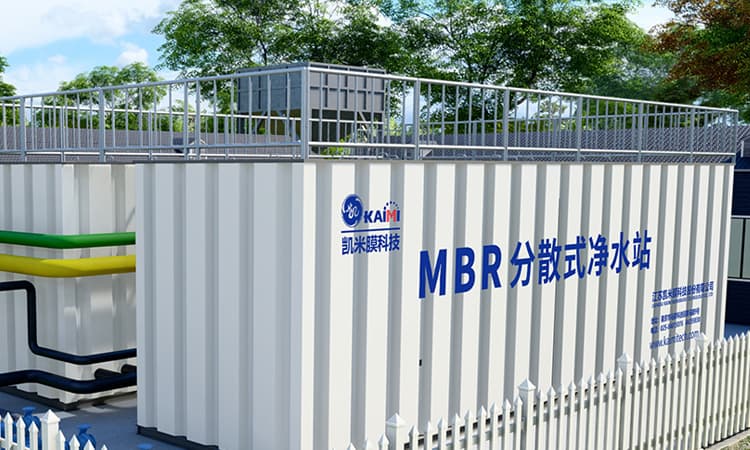
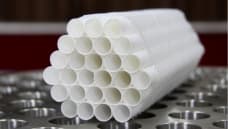
Membrane separation supports dairy whey clarification and concentration, helping recover valuable protein and lactose fractions before downstream processing.

Treatment Challenge

Whey streams contain fine suspended matter, protein, salts and organic content. Conventional concentration can be energy intensive when evaporation carries too much of the load.

Solution Route

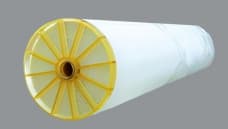
Spiral and tubular membrane routes can be configured for whey pretreatment, concentration and process water recovery depending on feed condition and solids load.
Buyer Benefits
  • Higher value recovery from dairy side streams
  • Reduced thermal load before evaporation
  • Compact continuous separation process
  • Cleaner permeate for staged reuse or polishing
Application Images
Whey Concentration image 1
Whey Concentration image 2
Whey Concentration image 3
Product Fit
Organic Spiral Membrane EquipmentSanitary Tubular Membrane
Protein Concentration
Food & Beverage

Protein Concentration

Process Overview
View detail page →

Protein concentration applications use membrane selectivity to separate target macromolecules from water, salts and low molecular weight components.

Treatment Challenge

Protein liquids are sensitive to heat and fouling. A separation route must protect activity, manage viscosity and keep cleaning cycles predictable.

Solution Route

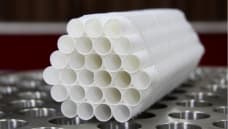
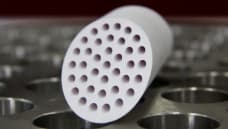
Kaimi membrane modules can be selected by feed solids, viscosity, target cut-off and cleaning requirement to support protein enrichment and purification.
Buyer Benefits
  • Low-temperature concentration path
  • Better preservation of functional ingredients
  • Configurable pore size and membrane material
  • Suitable for pilot verification before scale-up
Application Images
Protein Concentration image 1
Protein Concentration image 2
Protein Concentration image 3
Protein Concentration image 4
Product Fit
Sanitary Tubular MembraneOrganic Spiral Membrane Equipment
Extraction and Separation of Polysaccharides
Food & Beverage

Extraction and Separation of Polysaccharides

Process Overview
View detail page →

Polysaccharide extraction benefits from membrane clarification, impurity removal and staged concentration after extraction.

Treatment Challenge

Extract streams can contain suspended residue, colloids, pigments and soluble impurities that make downstream concentration and drying less efficient.

Solution Route

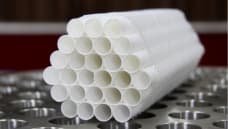
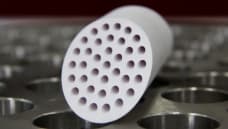
Tubular, ceramic or spiral membranes can be arranged as clarification and concentration stages to stabilize the process before refining.
Buyer Benefits
  • Cleaner extract before concentration
  • Lower load on downstream equipment
  • Reduced chemical clarification demand
  • Better process repeatability
Application Images
Extraction and Separation of Polysaccharides image 1
Extraction and Separation of Polysaccharides image 2
Extraction and Separation of Polysaccharides image 3
Extraction and Separation of Polysaccharides image 4
Product Fit
Ceramic MembraneOrganic Spiral Membrane Equipment
Tea Further Processing
Food & Beverage

Tea Further Processing

Process Overview
View detail page →

Tea extract processing uses membrane filtration for clarification, impurity removal and concentration while reducing harsh thermal exposure.

Treatment Challenge

Tea extract can contain fine suspended solids, colloids and color-forming impurities that affect stability, appearance and downstream concentration.

Solution Route

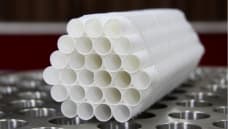
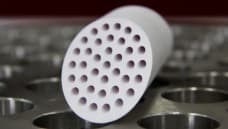
Kaimi membrane systems provide a physical separation route for tea beverage, instant tea and extract processing lines.
Buyer Benefits
  • Improved clarity and product stability
  • Lower thermal damage risk
  • Continuous separation and concentration
  • Adaptable to different tea extract formulas
Application Images
Tea Further Processing image 1
Tea Further Processing image 2
Tea Further Processing image 3
Tea Further Processing image 4
Product Fit
Sanitary Tubular MembraneOrganic Spiral Membrane Equipment

Fermentation Broth Industry

Lysine Clarification
Fermentation Broth Industry

Lysine Clarification

Process Overview
View detail page →

Membrane clarification separates cells, proteins, polysaccharides and insoluble impurities from lysine fermentation broth before refining.

Treatment Challenge

Fermentation broth is a complex mixture of microorganisms, soluble molecules, electrolytes, enzymes, sugars and organic acids, making stable clarification essential.

Solution Route

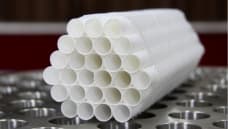
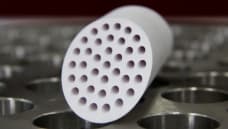
Ceramic and tubular membrane systems provide crossflow clarification to improve downstream ion exchange, concentration and crystallization conditions.
Buyer Benefits
  • Stable removal of cells and fine suspended matter
  • Lower downstream fouling pressure
  • Cleaner feed to refining sections
  • Suitable for continuous industrial operation
Application Images
Lysine Clarification image 1
Lysine Clarification image 2
Lysine Clarification image 3
Lysine Clarification image 4
Product Fit
Ceramic MembraneOrganic Tubular Membrane
Threonine Clarification
Fermentation Broth Industry

Threonine Clarification

Process Overview
View detail page →

Threonine broth clarification uses membrane separation to remove biomass and colloidal impurities while protecting soluble product streams.

Treatment Challenge

Traditional clarification may require multiple pretreatment steps and large filter-aid consumption when broth composition varies.

Solution Route

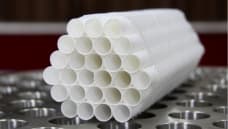
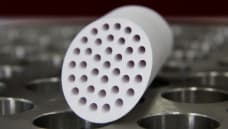
Kaimi crossflow membrane modules keep solids moving through the channel, supporting higher solids tolerance and repeatable cleaning.
Buyer Benefits
  • Reduced filter aid usage
  • Improved filtrate quality
  • More compact clarification footprint
  • Better fit for high-volume fermentation plants
Application Images
Threonine Clarification image 1
Threonine Clarification image 2
Threonine Clarification image 3
Threonine Clarification image 4
Product Fit
Ceramic MembraneHigh Packing Density Membrane Module
Glutamic Clarification
Fermentation Broth Industry

Glutamic Clarification

Process Overview
View detail page →

Glutamic fermentation clarification targets stable separation of cell debris and macromolecular impurities before concentration and conversion.

Treatment Challenge

Broth viscosity, fine particles and organic loading can challenge conventional filtration and increase replacement or cleaning frequency.

Solution Route

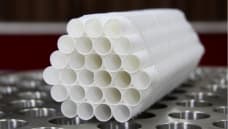
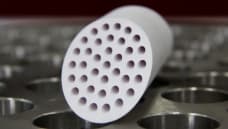
A ceramic or tubular crossflow system can be selected by operating temperature, pH, solids content and cleaning requirement.
Buyer Benefits
  • Clearer filtrate for downstream processing
  • High chemical cleaning tolerance
  • Reduced blockage risk with open channels
  • Scalable from pilot to production
Application Images
Glutamic Clarification image 1
Glutamic Clarification image 2
Glutamic Clarification image 3
Glutamic Clarification image 4
Product Fit
Ceramic MembraneTubular Membrane Equipment

Biopharmaceuticals

Herbal Medicine Extraction, Clarification and Concentration
Biopharmaceuticals

Herbal Medicine Extraction, Clarification and Concentration

Process Overview
View detail page →

Membrane processes help clarify herbal medicine extracts by removing fine dregs, sediment, bacteria, starch, resins and oils while protecting active ingredients.

Treatment Challenge

Herbal extracts are compositionally complex and can create heavy load on settling, centrifugation, resin and evaporation sections.

Solution Route

Kaimi configures ceramic, tubular and spiral membranes as clarification, purification and concentration stages for herbal extraction lines.

Buyer Benefits
  • Improved extract clarity
  • Reduced thermal damage to active components
  • Lower chemical clarification requirement
  • Better working environment and automation potential
Application Images
Herbal Medicine Extraction, Clarification and Concentration image 1
Herbal Medicine Extraction, Clarification and Concentration image 2
Herbal Medicine Extraction, Clarification and Concentration image 3
Herbal Medicine Extraction, Clarification and Concentration image 4
Product Fit
Ceramic MembraneOrganic Tubular Membrane
Purification and Concentration of Antibiotics
Biopharmaceuticals

Purification and Concentration of Antibiotics

Process Overview
View detail page →

Antibiotic production uses membrane separation for broth clarification, impurity reduction and product concentration before refining.

Treatment Challenge

Fine solids, proteins and colloids can affect extraction efficiency and create unstable downstream operating conditions.

Solution Route

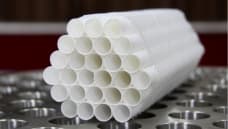
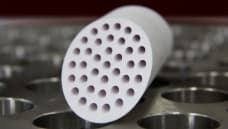
Membrane modules can be staged with existing fermentation and refining equipment to reduce impurity load and improve product stream consistency.
Buyer Benefits
  • Cleaner feed for extraction and refining
  • Lower suspended solid content
  • Mild separation conditions
  • Adaptable to multiple antibiotic processes
Application Images
Purification and Concentration of Antibiotics image 1
Purification and Concentration of Antibiotics image 2
Purification and Concentration of Antibiotics image 3
Purification and Concentration of Antibiotics image 4
Product Fit
Ceramic MembraneOrganic Spiral Membrane Equipment
Escherichia Coli Extraction
Biopharmaceuticals

Escherichia Coli Extraction

Process Overview
View detail page →

E. coli extraction applications use membrane separation to support cell harvesting, clarification and impurity control in biological production.

Treatment Challenge

Cell-rich streams require careful separation to avoid excessive shear, blockage and inconsistent filtrate quality.

Solution Route

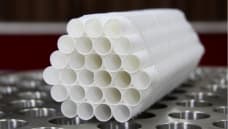
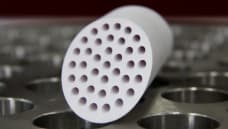
Crossflow membrane equipment helps manage biomass streams and creates a clearer route into downstream extraction or purification.
Buyer Benefits
  • Controlled biomass separation
  • Reduced fine-particle load
  • Configurable process scale
  • Compatible with pilot verification
Application Images
Escherichia Coli Extraction image 1
Escherichia Coli Extraction image 2
Escherichia Coli Extraction image 3
Escherichia Coli Extraction image 4
Product Fit
Ceramic MembraneExperimental Membrane Module

Chemical Industry

Brine Refining Treatment
Chemical Industry

Brine Refining Treatment

Process Overview
View detail page →

Brine refining uses membrane treatment to remove sulfate and suspended impurities from salt-containing streams before chemical production.

Treatment Challenge

Brine wells can contain significant salt and sulfate levels, while chemical production routes may require sulfate reduction and stable pretreatment.

Solution Route

Tubular and nanofiltration membrane stages can be combined to reduce sulfate and improve the quality of feed brine.
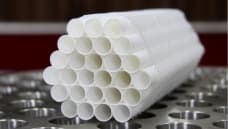
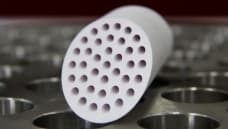
Buyer Benefits
  • Physical separation route for salt streams
  • Improved sulfate control
  • Reduced impurity load before downstream units
  • Configurable for brine quality variation
Application Images
Brine Refining Treatment image 1
Brine Refining Treatment image 2
Brine Refining Treatment image 3
Brine Refining Treatment image 4
Product Fit
Braced Membrane ModuleOrganic Spiral Membrane Equipment
Recovery of Waste Alkali
Chemical Industry

Recovery of Waste Alkali

Process Overview
View detail page →

Waste alkali recovery applications use acid and alkali resistant membrane systems to separate recoverable caustic from suspended and organic impurities.

Treatment Challenge

Alkaline waste streams can be corrosive, high in suspended solids and costly to neutralize or discharge without recovery.

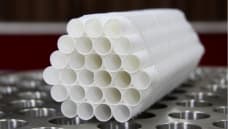
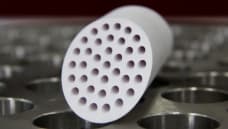
Solution Route

Kaimi braced and tubular membrane systems support caustic cleaning and recovery routes with broad pH tolerance.
Buyer Benefits
  • Reduced chemical consumption
  • Recovery-oriented wastewater handling
  • Strong pH tolerance
  • Useful for cleaning and process alkali loops
Application Images
Recovery of Waste Alkali image 1
Recovery of Waste Alkali image 2
Recovery of Waste Alkali image 3
Recovery of Waste Alkali image 4
Product Fit
Braced Membrane ModuleTubular Membrane Equipment
Production of Ultrafine Powders
Chemical Industry

Production of Ultrafine Powders

Process Overview
View detail page →

Membrane filtration supports ultrafine powder production by classifying, washing and concentrating fine-particle suspensions.

Treatment Challenge

Fine powder suspensions can cause severe fouling and difficult solid-liquid separation when particle size distribution is narrow.

Solution Route

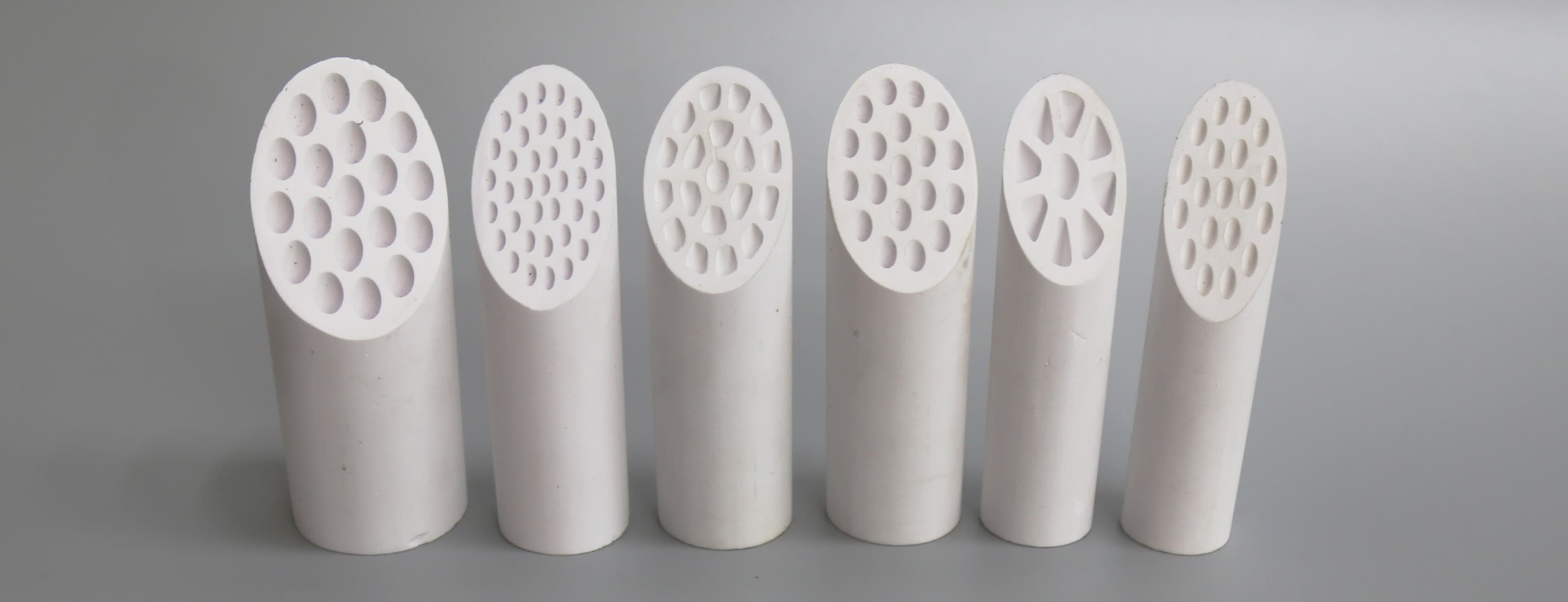
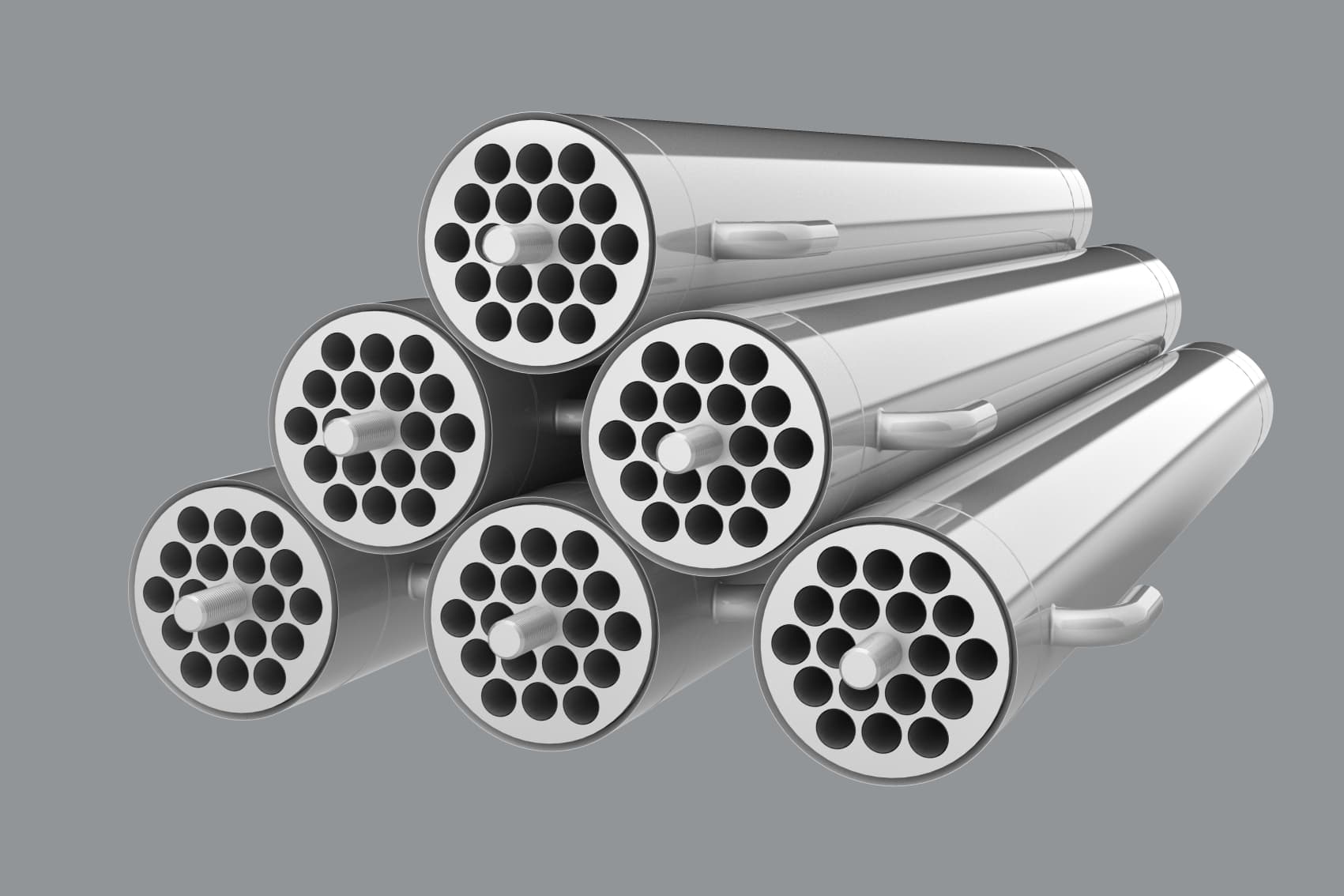
Ceramic and tubular membrane channels can be selected for abrasion resistance, cleaning tolerance and slurry circulation.
Buyer Benefits
  • Improved solid-liquid separation
  • Reusable washing and concentration process
  • High mechanical and chemical resistance
  • Suitable for fine-particle slurry handling
Application Images
Production of Ultrafine Powders image 1
Production of Ultrafine Powders image 2
Product Fit
Ceramic MembraneBraced Membrane Module

Industrial Wastewater Treatment and Reuse

Petroleum/Coal Chemical Wastewater Treatment
Industrial Wastewater Treatment and Reuse

Petroleum/Coal Chemical Wastewater Treatment

Process Overview
View detail page →

Petroleum and coal chemical wastewater treatment focuses on high-COD, high-salt and difficult-to-degrade streams that require robust pretreatment and reuse pathways.

Treatment Challenge

Oily components, suspended solids, phenols, salts and fluctuating loads can destabilize biological and polishing sections.

Solution Route

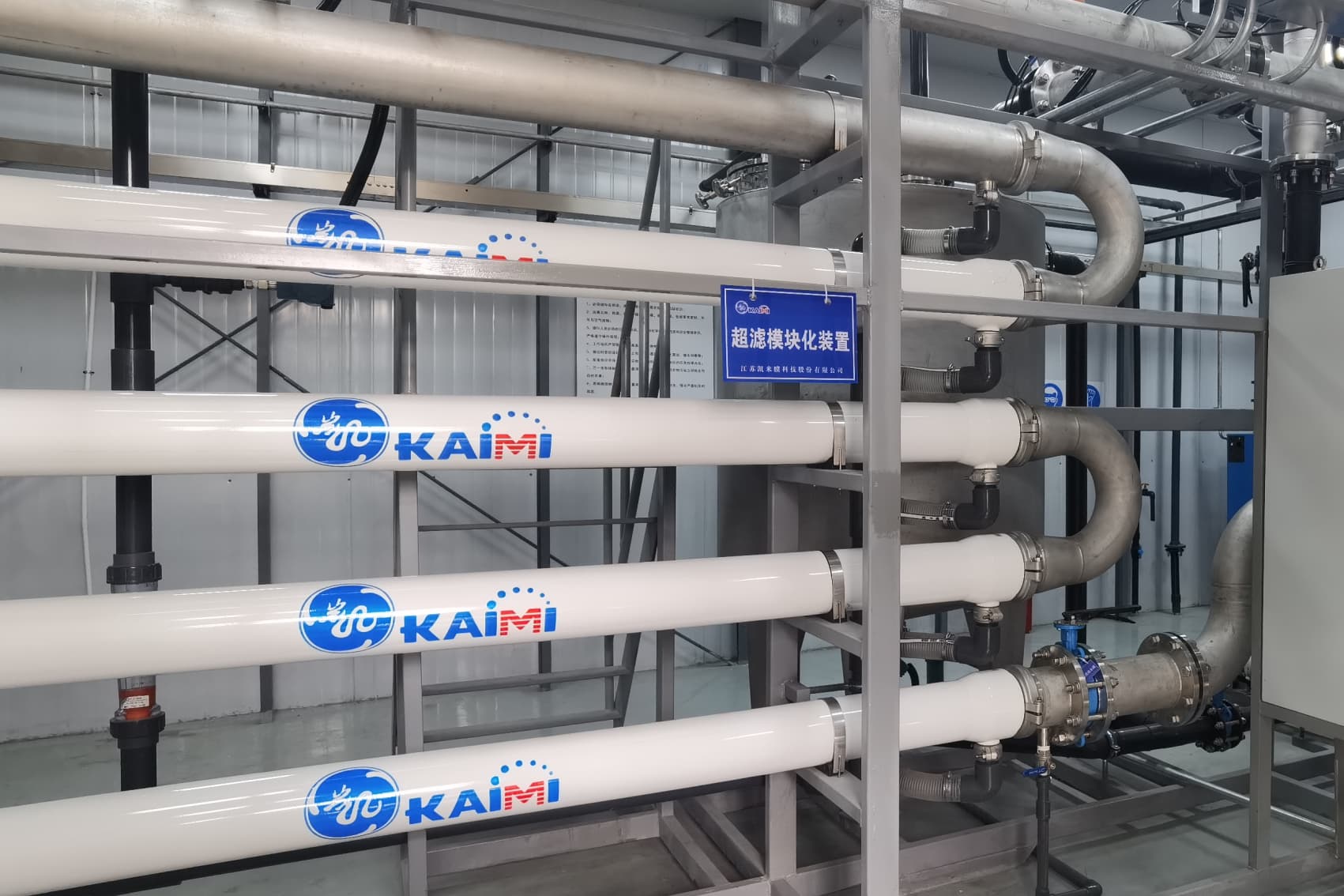
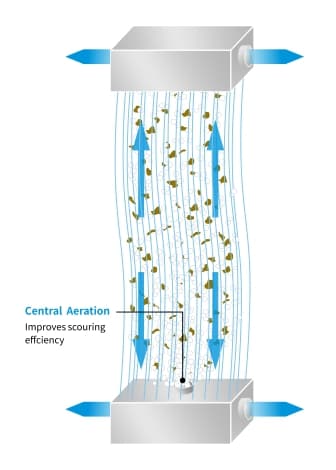
Kaimi combines tubular, hollow fiber and system equipment to remove solids, protect downstream units and support reuse or advanced treatment.
Buyer Benefits
  • Higher tolerance for difficult wastewater
  • Improved downstream stability
  • Reuse-oriented process design
  • Engineering support from pilot to system delivery
Application Images
Petroleum/Coal Chemical Wastewater Treatment image 1
Petroleum/Coal Chemical Wastewater Treatment image 2
Product Fit
High Packing Density Membrane ModuleHollow Fiber Membrane Equipment
Oil and Gas Field Produced Water Treatment
Industrial Wastewater Treatment and Reuse

Oil and Gas Field Produced Water Treatment

Process Overview
View detail page →

Produced water treatment targets oil, suspended solids and salinity-related operating challenges in oil and gas field water management.

Treatment Challenge

Produced water quality fluctuates by field and operating stage, making compact, stable and maintainable treatment routes important.

Solution Route

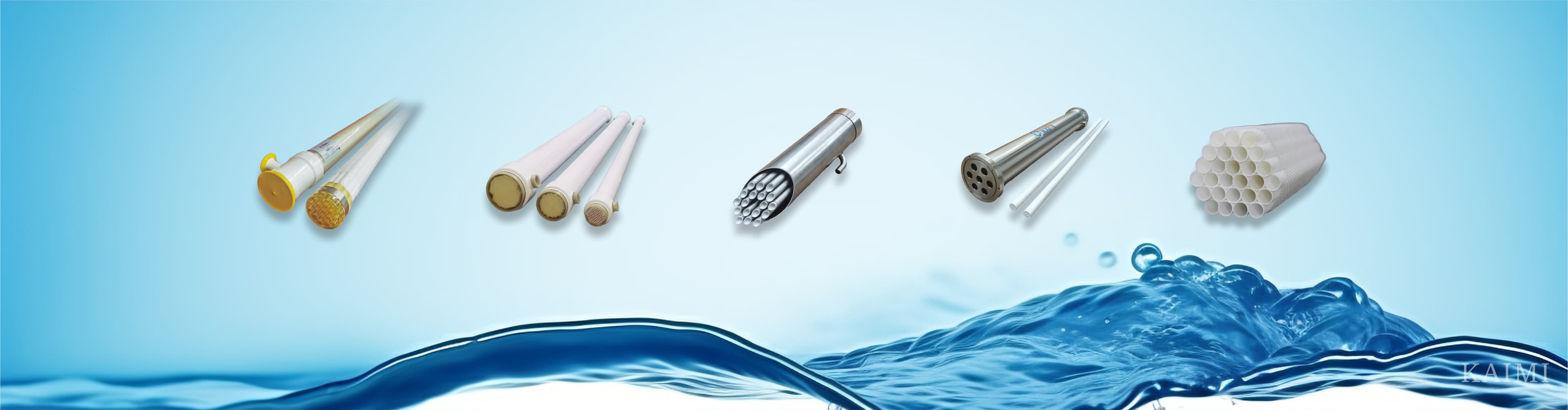
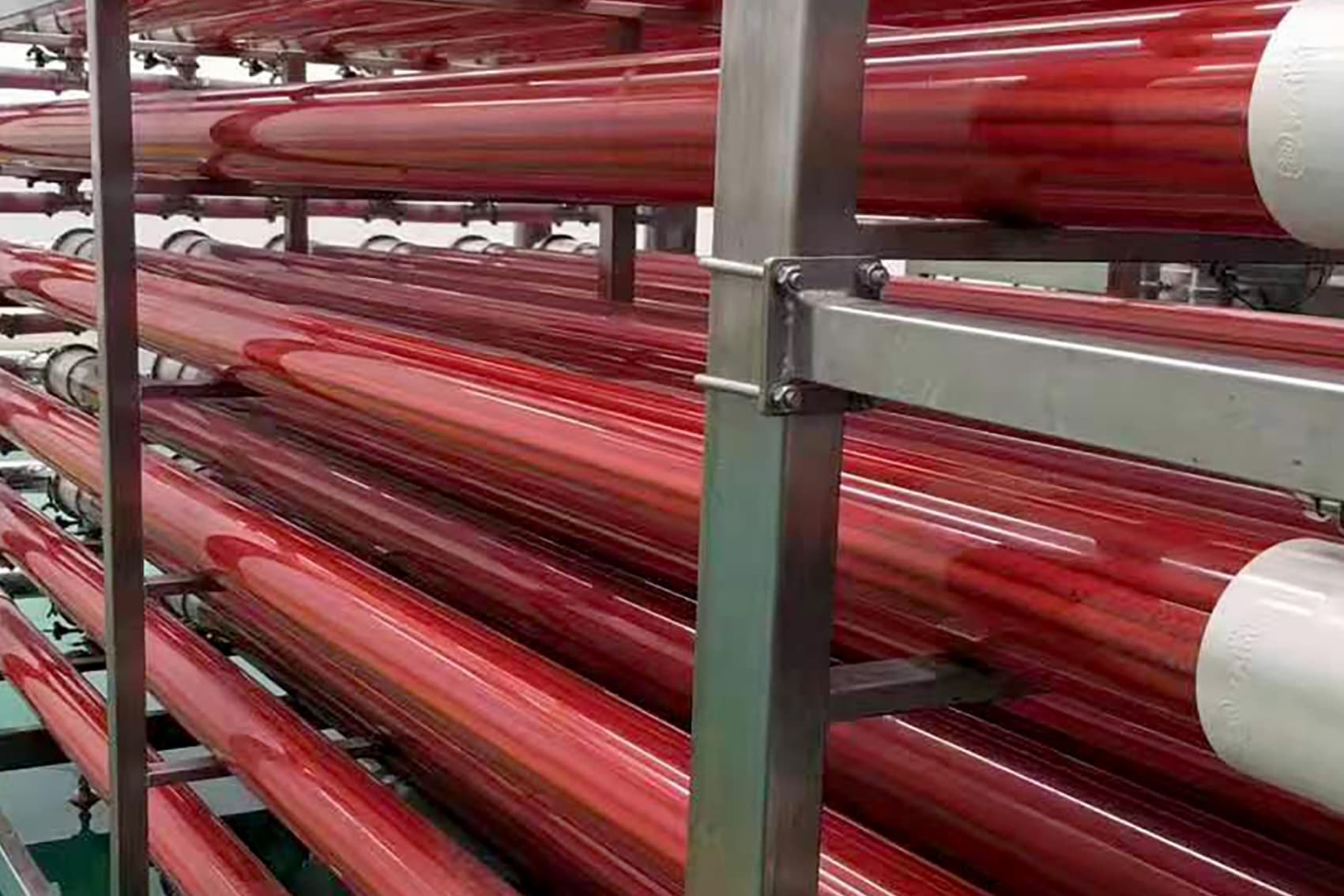
Containerized and membrane-based systems can be configured for mobile treatment, reuse preparation or discharge polishing.
Buyer Benefits
  • Mobile deployment option
  • Reduced suspended solids and oil load
  • Modular capacity expansion
  • Remote operation and monitoring potential
Application Images
Oil and Gas Field Produced Water Treatment image 1
Oil and Gas Field Produced Water Treatment image 2
Product Fit
Containerized Mobile Wastewater Treatment SystemTubular Membrane Equipment
Emulsified Oily Wastewater Treatment
Industrial Wastewater Treatment and Reuse

Emulsified Oily Wastewater Treatment

Process Overview
View detail page →

Emulsified oily wastewater treatment uses membrane separation to break through the limits of gravity separation and conventional oil-water separation.

Treatment Challenge

Stable emulsions, surfactants and fine droplets can pass through ordinary separation equipment and overload downstream treatment.

Solution Route

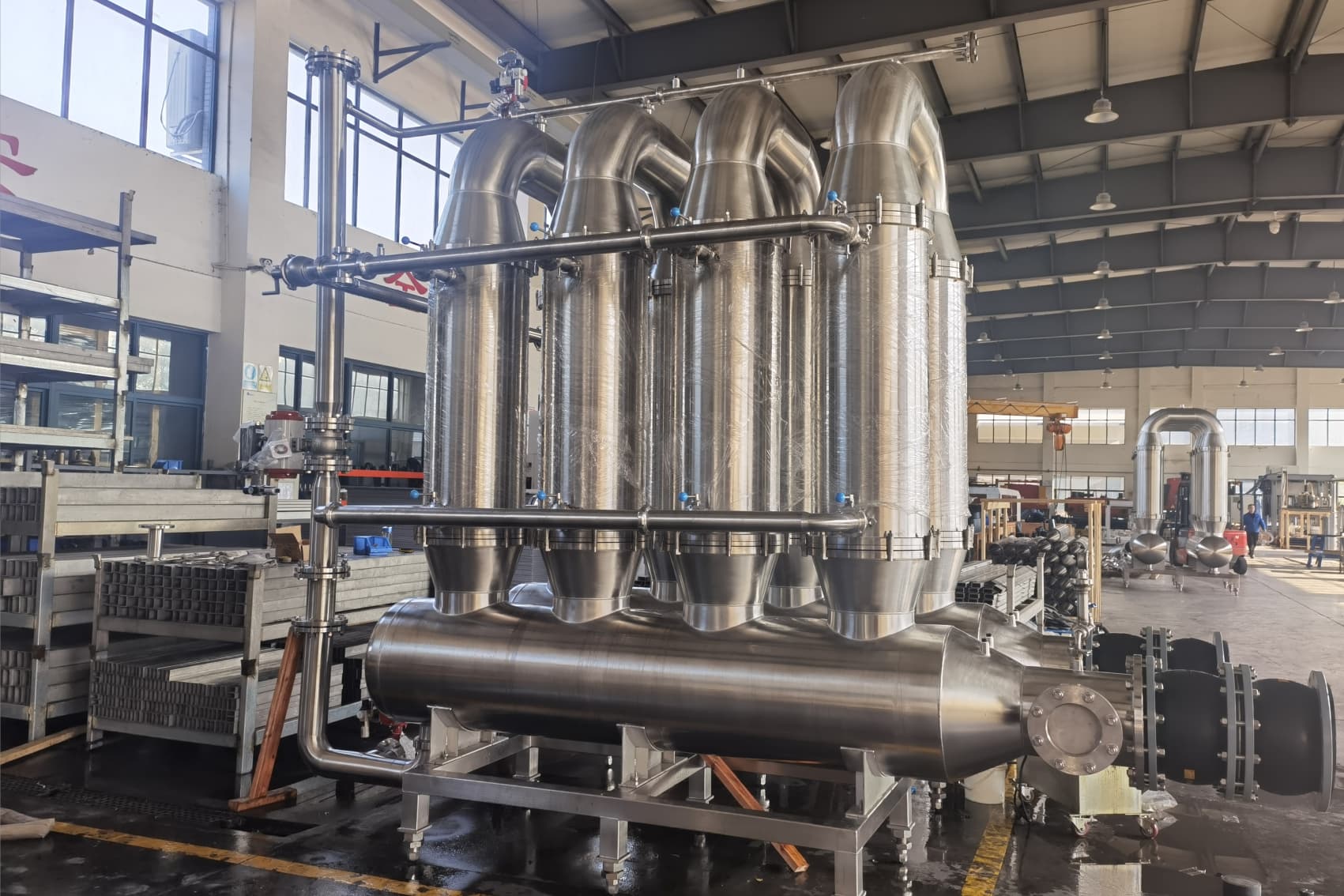
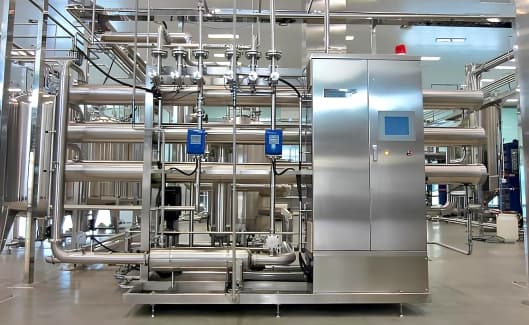
Tubular and ceramic membrane systems provide crossflow filtration for oil, suspended matter and colloidal impurity removal.
Buyer Benefits
  • Effective handling of stable emulsions
  • Reduced oil load before biological treatment
  • Open channels for fouling control
  • Reusable concentrate and permeate management routes
Application Images
Emulsified Oily Wastewater Treatment image 1
Product Fit
Organic Tubular MembraneCeramic Membrane
Textile Dyeing Wastewater Treatment
Industrial Wastewater Treatment and Reuse

Textile Dyeing Wastewater Treatment

Process Overview
View detail page →

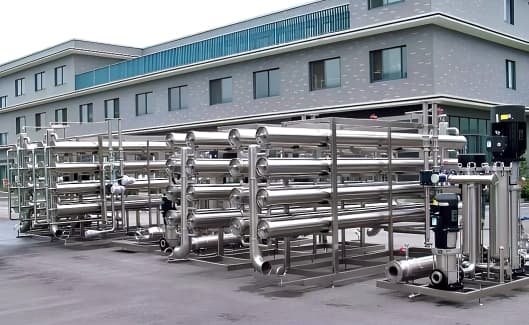
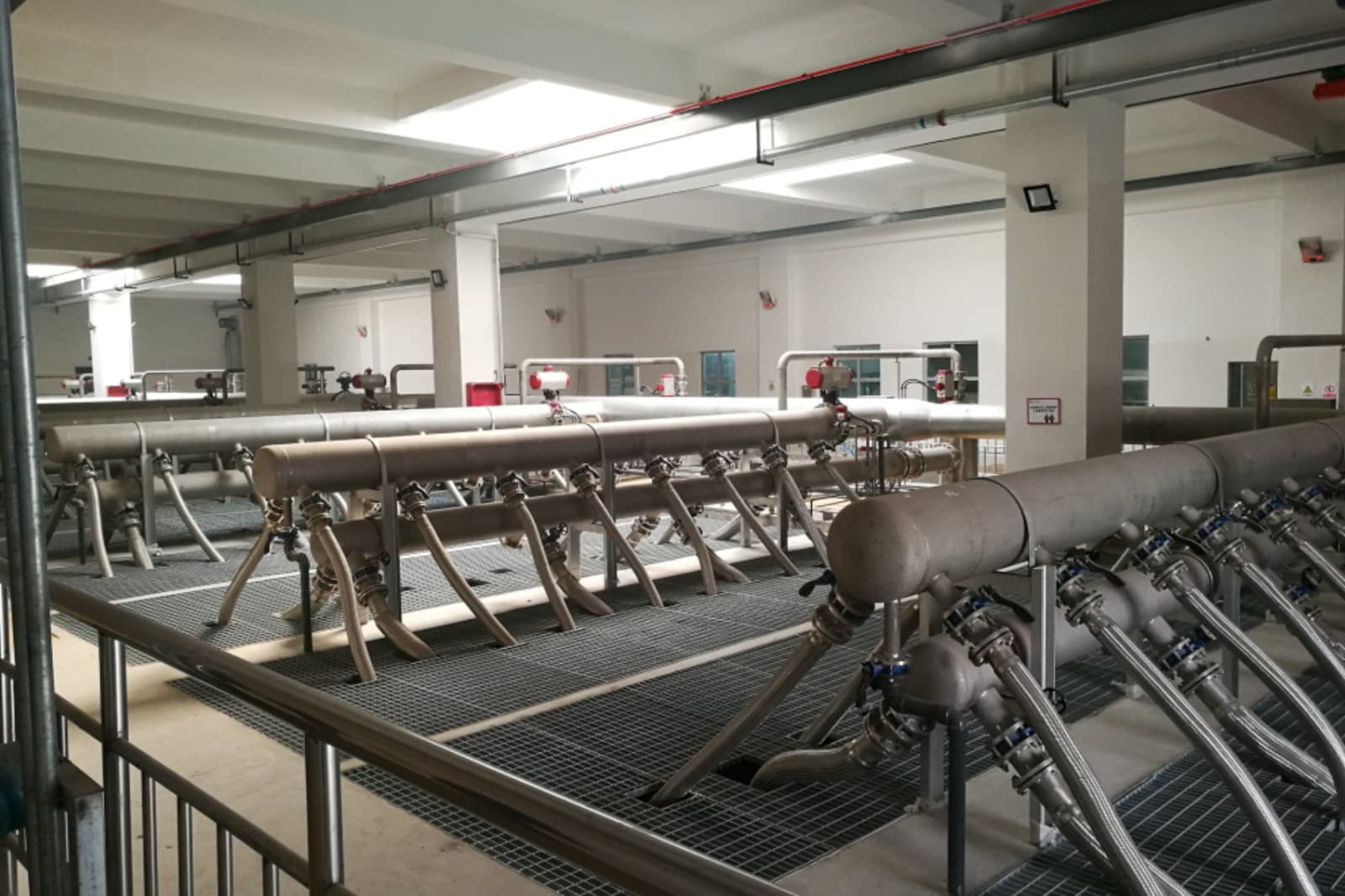
Textile dyeing wastewater treatment addresses color, salt, COD and suspended impurities for reuse and advanced discharge requirements.

Treatment Challenge

Dyeing wastewater often has strong color, variable chemistry and high conductivity, creating pressure on conventional biochemical treatment.

Solution Route

Membrane systems can be integrated as advanced treatment, reuse preparation and concentration stages after primary treatment.
Buyer Benefits
  • Improved color and turbidity control
  • Reuse-oriented water polishing
  • Modular advanced treatment path
  • Reduced pressure on final polishing units
Application Images
Textile Dyeing Wastewater Treatment image 1
Textile Dyeing Wastewater Treatment image 2
Product Fit
Organic Spiral Membrane EquipmentHollow Fiber Membrane Equipment
Electroplating Wastewater Treatment
Industrial Wastewater Treatment and Reuse

Electroplating Wastewater Treatment

Process Overview
View detail page →

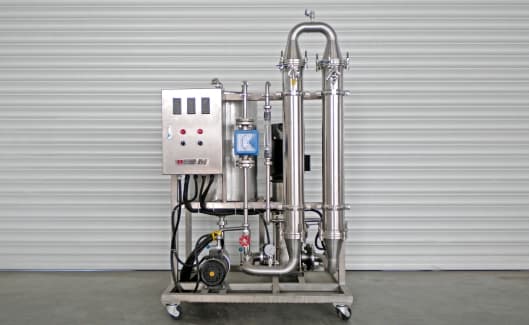
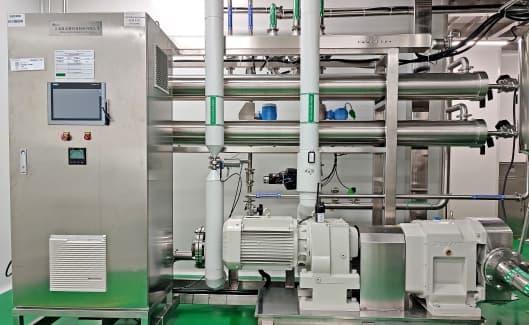
Electroplating wastewater treatment uses membrane separation to support heavy-metal wastewater reuse, concentration and polishing routes.

Treatment Challenge

Metal ions, suspended solids, surfactants and changing bath chemistry require stable pretreatment and recovery-oriented process design.

Solution Route

Ceramic, tubular and spiral membrane systems can be selected according to pH, oxidant tolerance and target recovery path.
Buyer Benefits
  • Supports resource recovery
  • Improved polishing reliability
  • Strong chemical resistance options
  • Compatible with staged treatment systems
Application Images
Electroplating Wastewater Treatment image 1
Electroplating Wastewater Treatment image 2
Product Fit
Ceramic MembraneOrganic Spiral Membrane Equipment
Ink Wastewater Treatment
Industrial Wastewater Treatment and Reuse

Ink Wastewater Treatment

Process Overview
View detail page →

Ink wastewater treatment removes pigment, resin, suspended solids and organic load from difficult printing and ink production wastewater.

Treatment Challenge

Pigment particles and resin components can create heavy color and fouling, while wastewater quality changes by formulation.

Solution Route

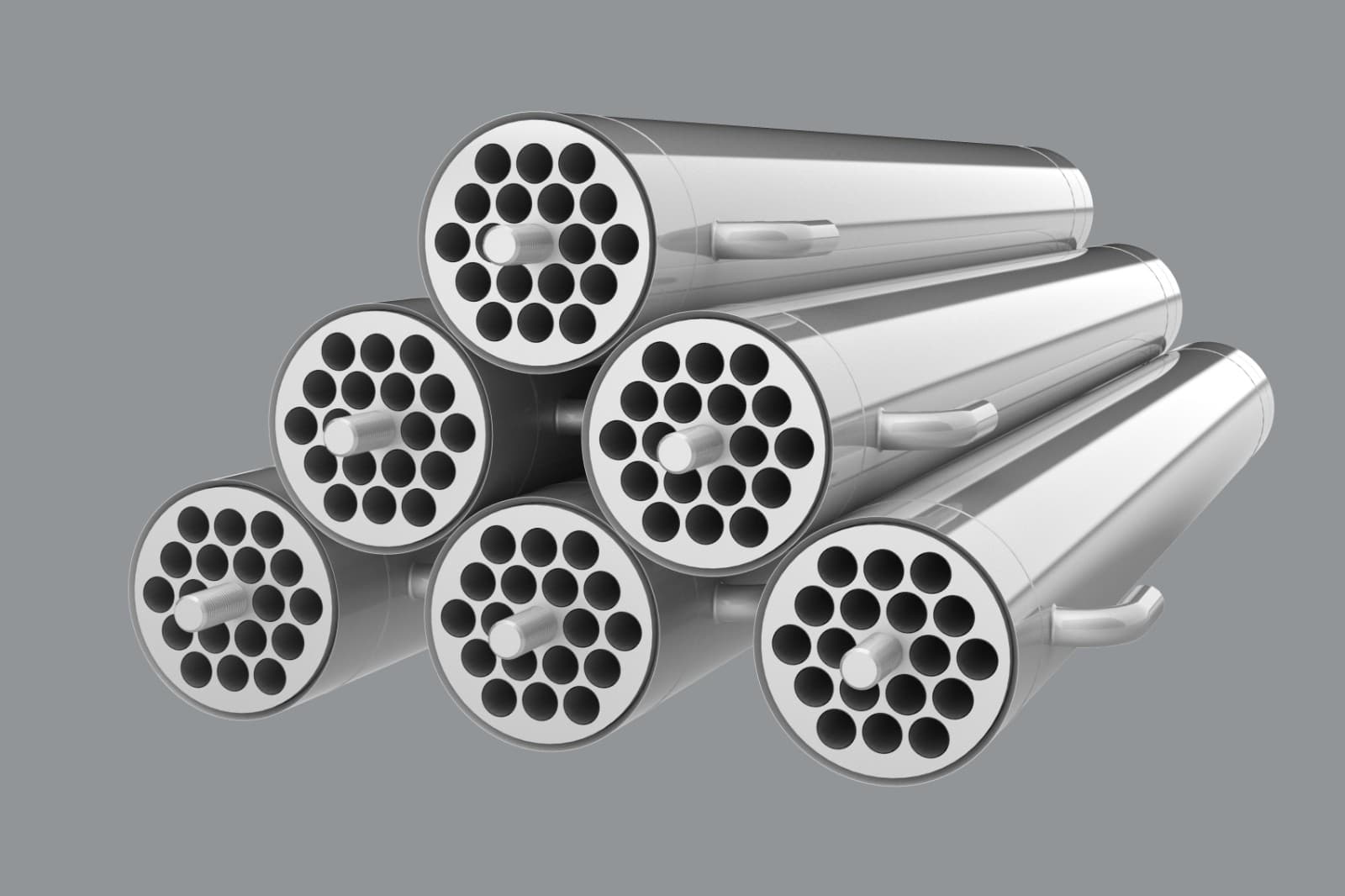
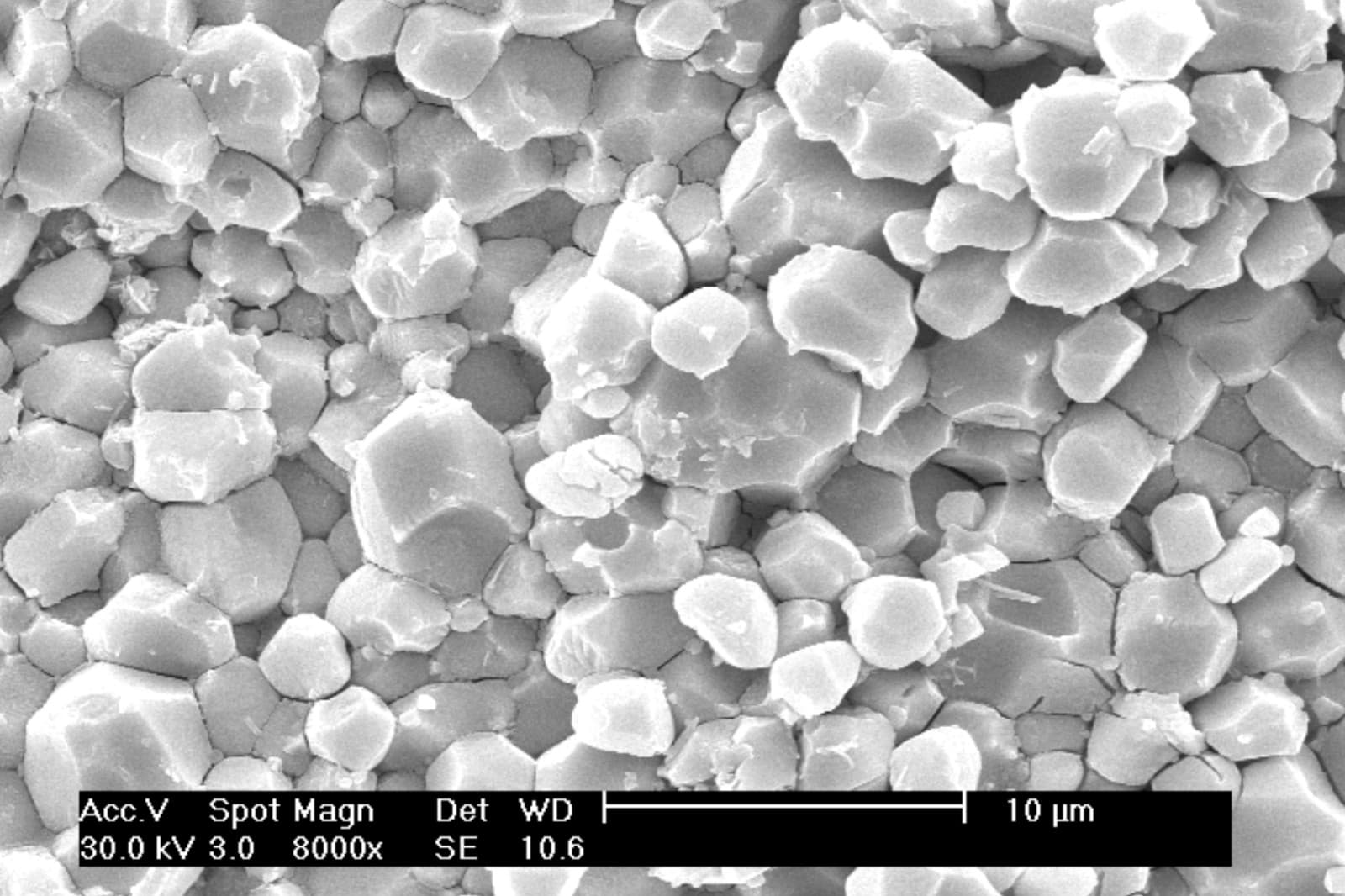
Open-channel tubular and ceramic membranes help separate suspended pigments and protect downstream treatment or reuse systems.
Buyer Benefits
  • Improved pigment and turbidity removal
  • Higher tolerance for viscous streams
  • Cleaner feed to downstream treatment
  • Configurable pilot verification
Application Images
Ink Wastewater Treatment image 1
Ink Wastewater Treatment image 2
Product Fit
Braced Membrane ModuleCeramic Membrane
Electronic Wastewater Treatment
Industrial Wastewater Treatment and Reuse

Electronic Wastewater Treatment

Process Overview
View detail page →

Electronic wastewater treatment focuses on precision polishing, suspended solid removal and reuse preparation for electronics manufacturing water systems.

Treatment Challenge

Electronics wastewater may include fine particles, cleaning chemicals, metals and high purity reuse requirements.

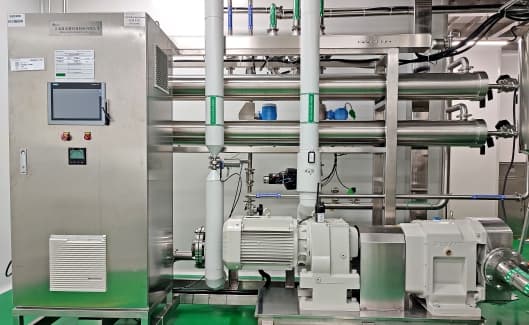
Solution Route

Membrane treatment can be used as pretreatment, advanced polishing or reuse preparation depending on the wastewater segment.
Buyer Benefits
  • Improved fine-particle removal
  • Reuse-ready polishing path
  • Compact membrane equipment layout
  • Adaptable to process water quality targets
Application Images
Electronic Wastewater Treatment image 1
Product Fit
Hollow Fiber Membrane EquipmentOrganic Spiral Membrane Equipment

Decentralized Wastewater Treatment

Decentralized Wastewater Treatment

Decentralized Wastewater Treatment

Process Overview
View detail page →

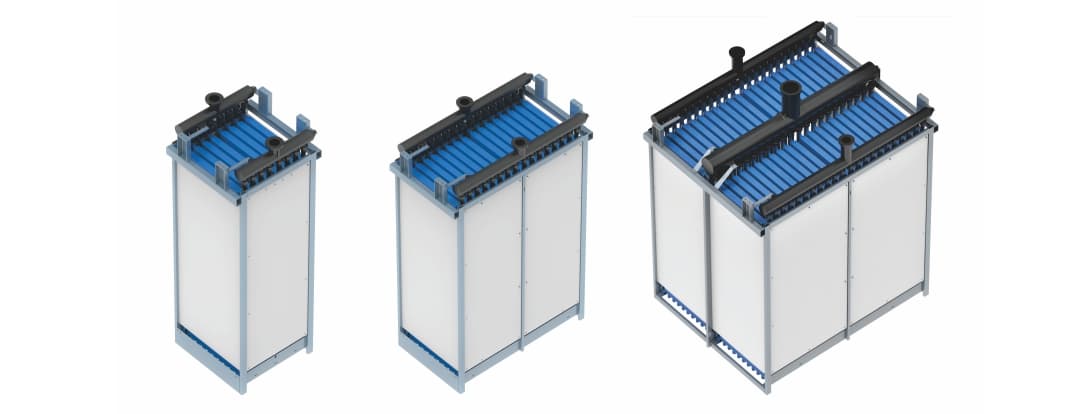
Integrated decentralized sewage treatment is designed for point-source sewage from 100-20000 m3/d, including urban sewage, rural sewage, river purification and emergency treatment.

Treatment Challenge

Decentralized sites often need fast deployment, limited footprint, simple operation and stable effluent without large civil construction.

Solution Route

Kaimi packages membrane and biofilm treatment into modular systems using submerged hollow fiber MBR, FBBR and intelligent operating controls.
Buyer Benefits
  • Modular deployment for distributed sites
  • Small footprint and fast installation
  • Automatic operation and remote monitoring potential
  • Reusable configuration for emergency or temporary needs
Application Images
Decentralized Wastewater Treatment image 1
Product Fit
Containerized Mobile Wastewater Treatment SystemHollow Fiber Membrane Equipment

Municipal Wastewater Treatment and Reuse

Municipal Wastewater Treatment and Reuse

Municipal Wastewater Treatment and Reuse

Process Overview
View detail page →

Municipal wastewater treatment and reuse applies membrane filtration for clean water production, advanced sewage treatment and higher effluent quality.

Treatment Challenge

Municipal plants face space limits, stricter discharge standards, reuse demand and variable influent quality.

Solution Route

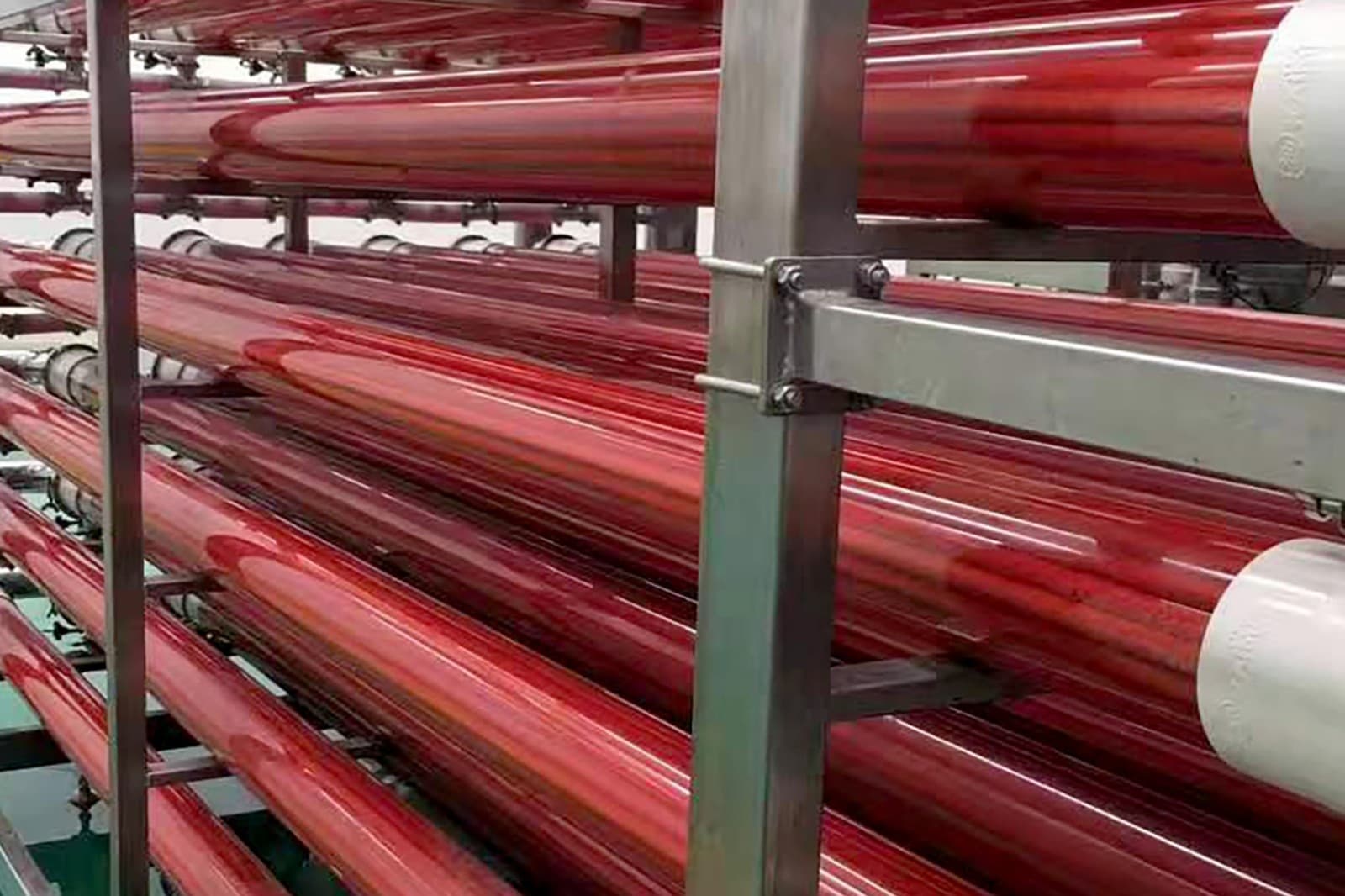
Kaimi hollow fiber MBR and ceramic membrane equipment can be integrated into new plants, upgrades and advanced treatment systems.
Buyer Benefits
  • Higher effluent stability
  • Compact treatment footprint
  • Suitable for reuse and polishing
  • Supports municipal and industrial WWTP scenarios
Application Images
Municipal Wastewater Treatment and Reuse image 1
Product Fit
Hollow Fiber Membrane EquipmentCeramic Membrane Equipment

Landfill Leachate Treatment

Landfill Leachate Treatment

Landfill Leachate Treatment

Process Overview
View detail page →

Landfill leachate treatment addresses high-concentration organic wastewater with complex constituents, large water-quality variation and high treatment difficulty.

Treatment Challenge

Leachate often contains high COD, ammonia nitrogen, salts, suspended matter and refractory organic substances, requiring strong pretreatment and membrane stability.

Solution Route

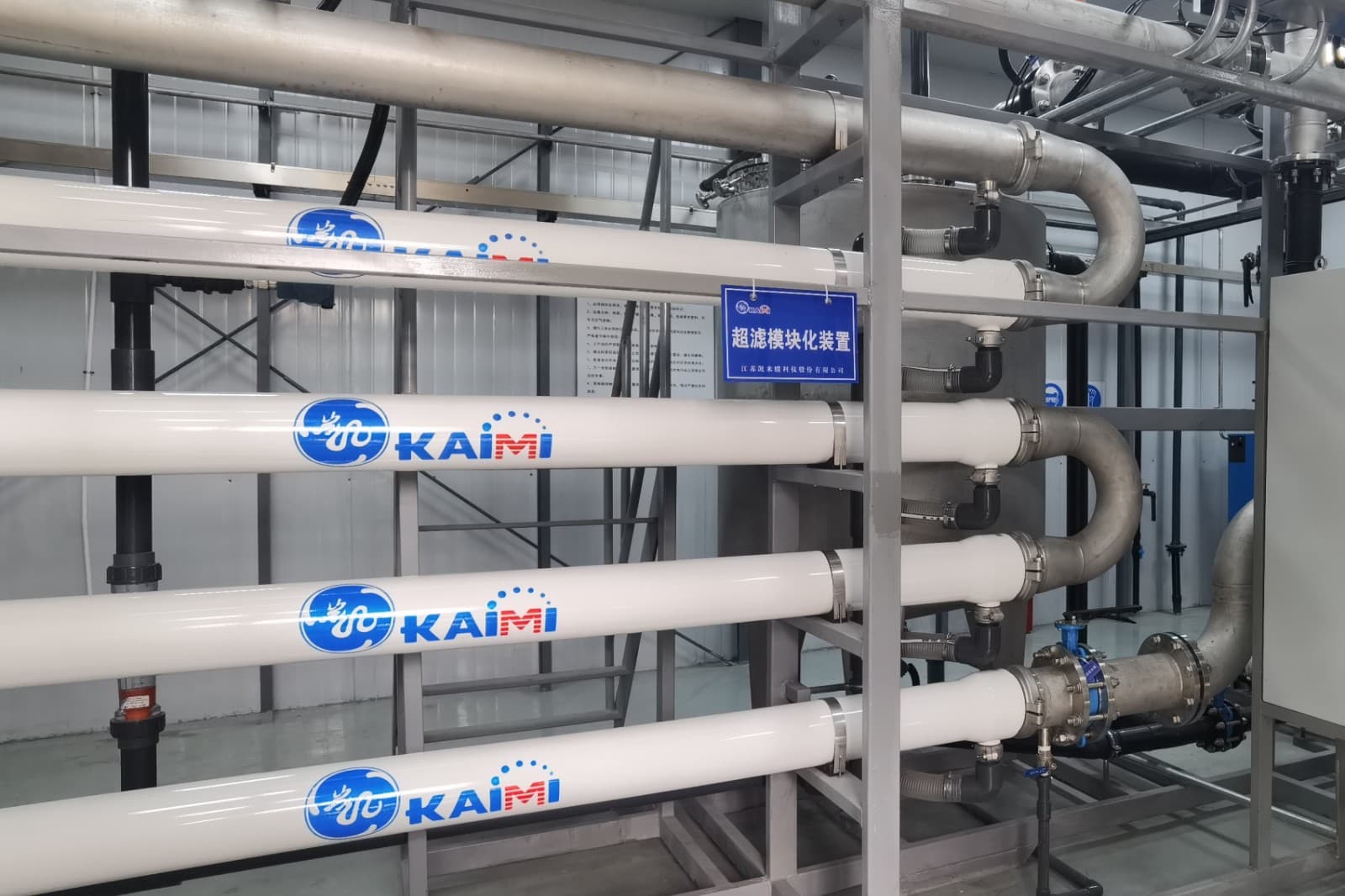
External tubular MBR and combined physicochemical-biological membrane routes help retain sludge, reduce blockage and improve system reliability.
Buyer Benefits
  • High solids and high organic load tolerance
  • External tubular MBR option
  • Better anti-blocking behavior
  • Applicable to landfill and transfer-station leachate
Application Images
Landfill Leachate Treatment image 1
Product Fit
High Packing Density Membrane ModuleTubular Membrane Equipment