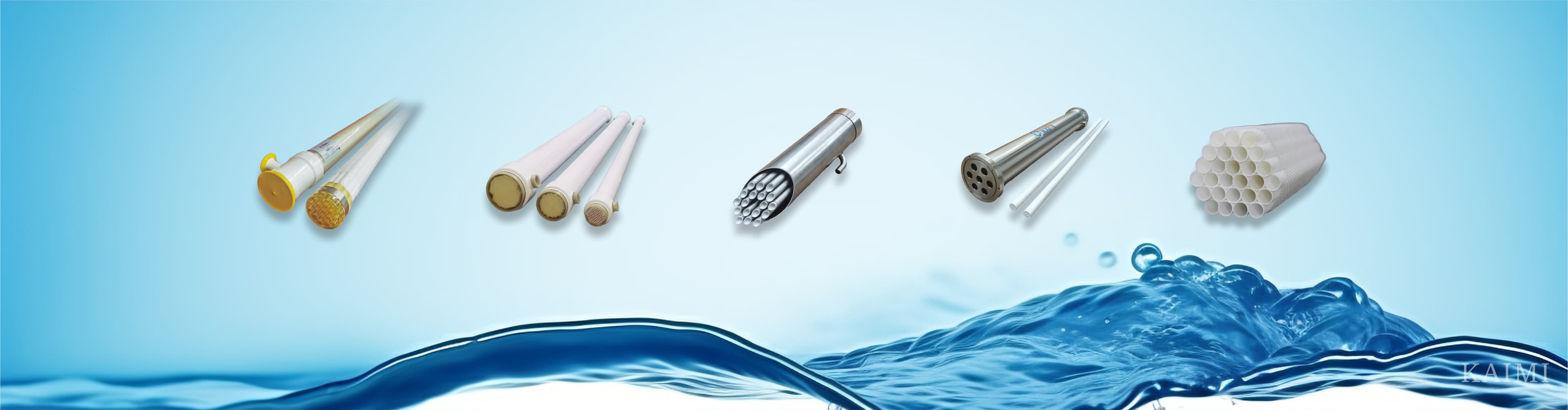
Products

Membrane products and integrated treatment systems.

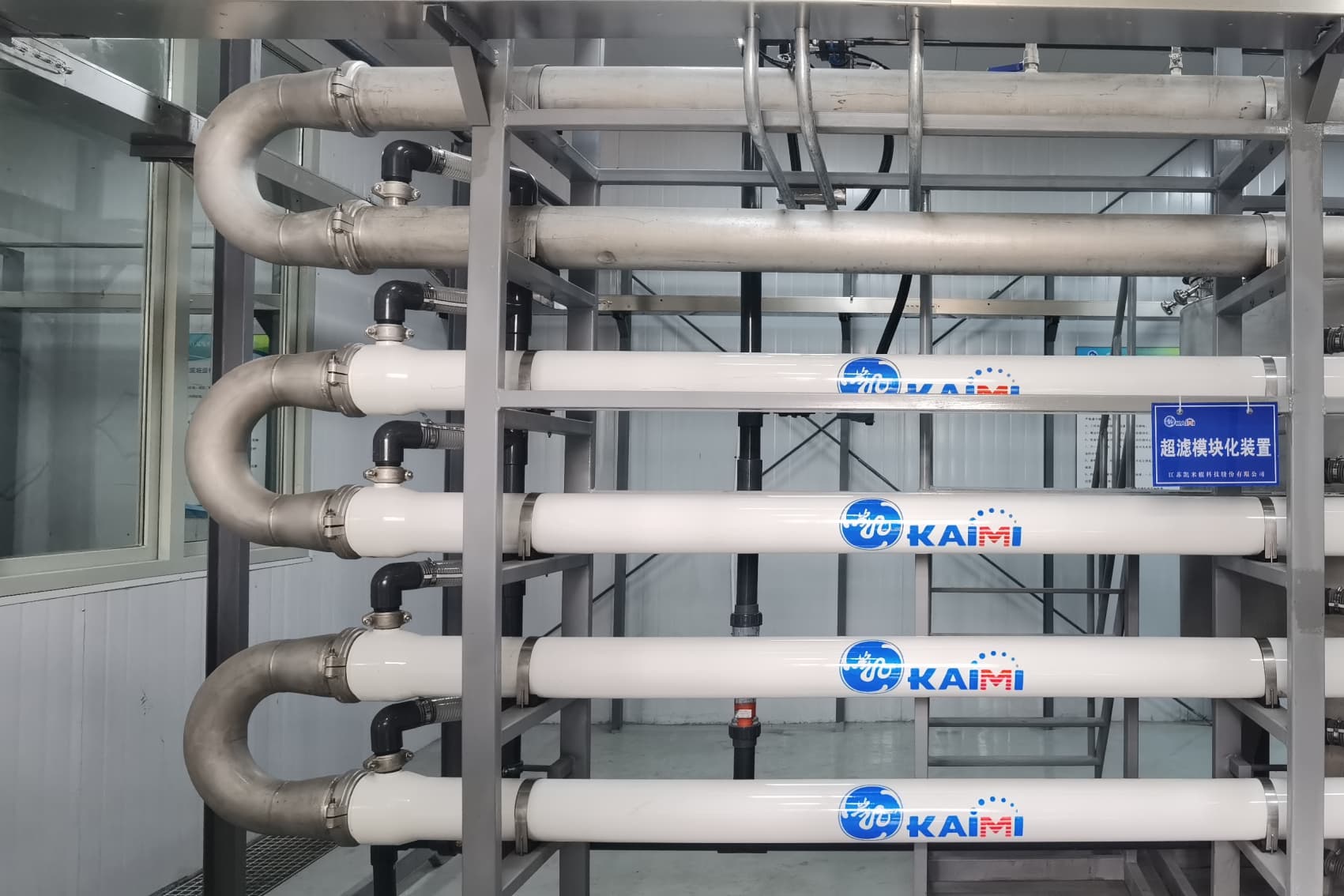
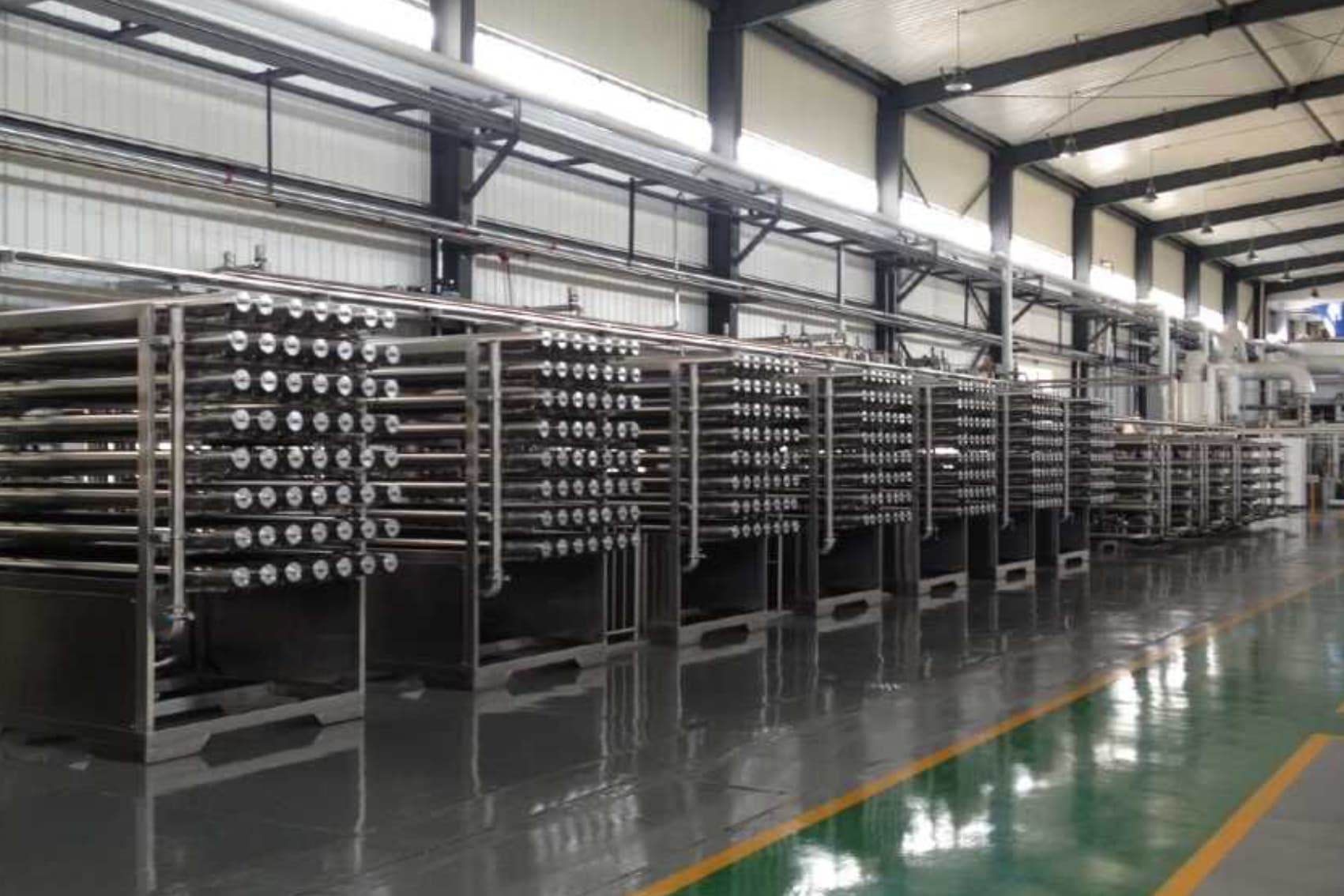
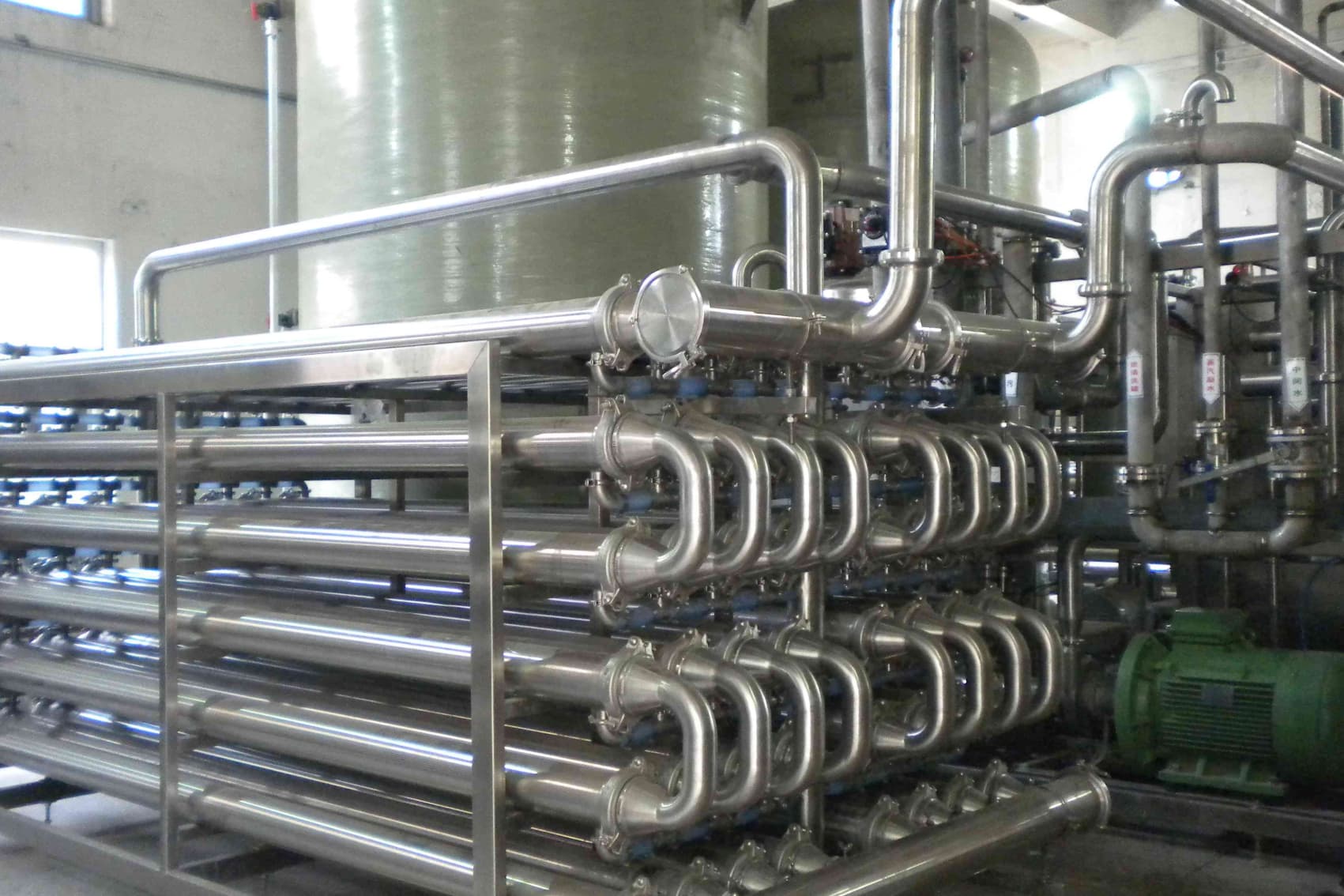
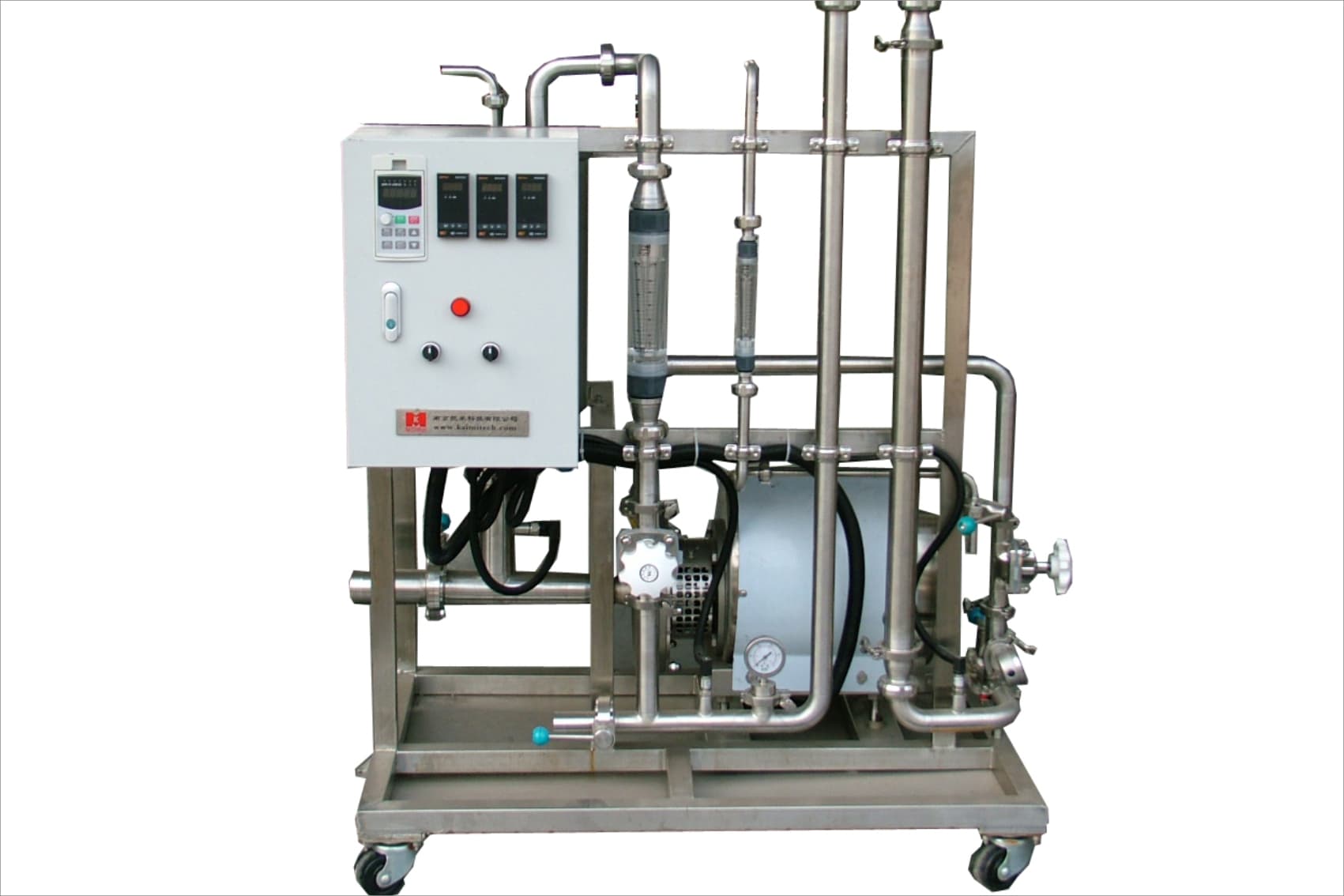
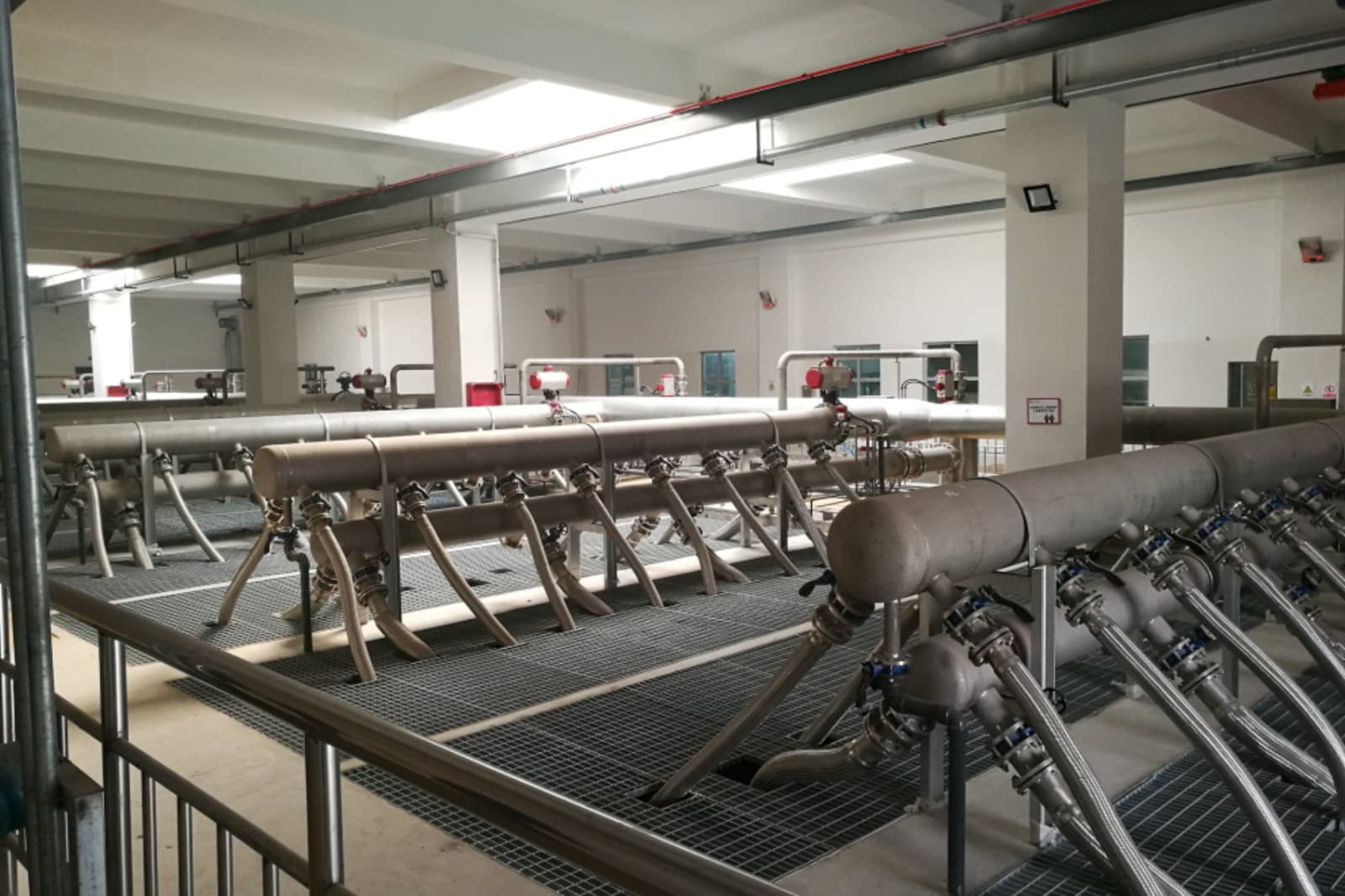
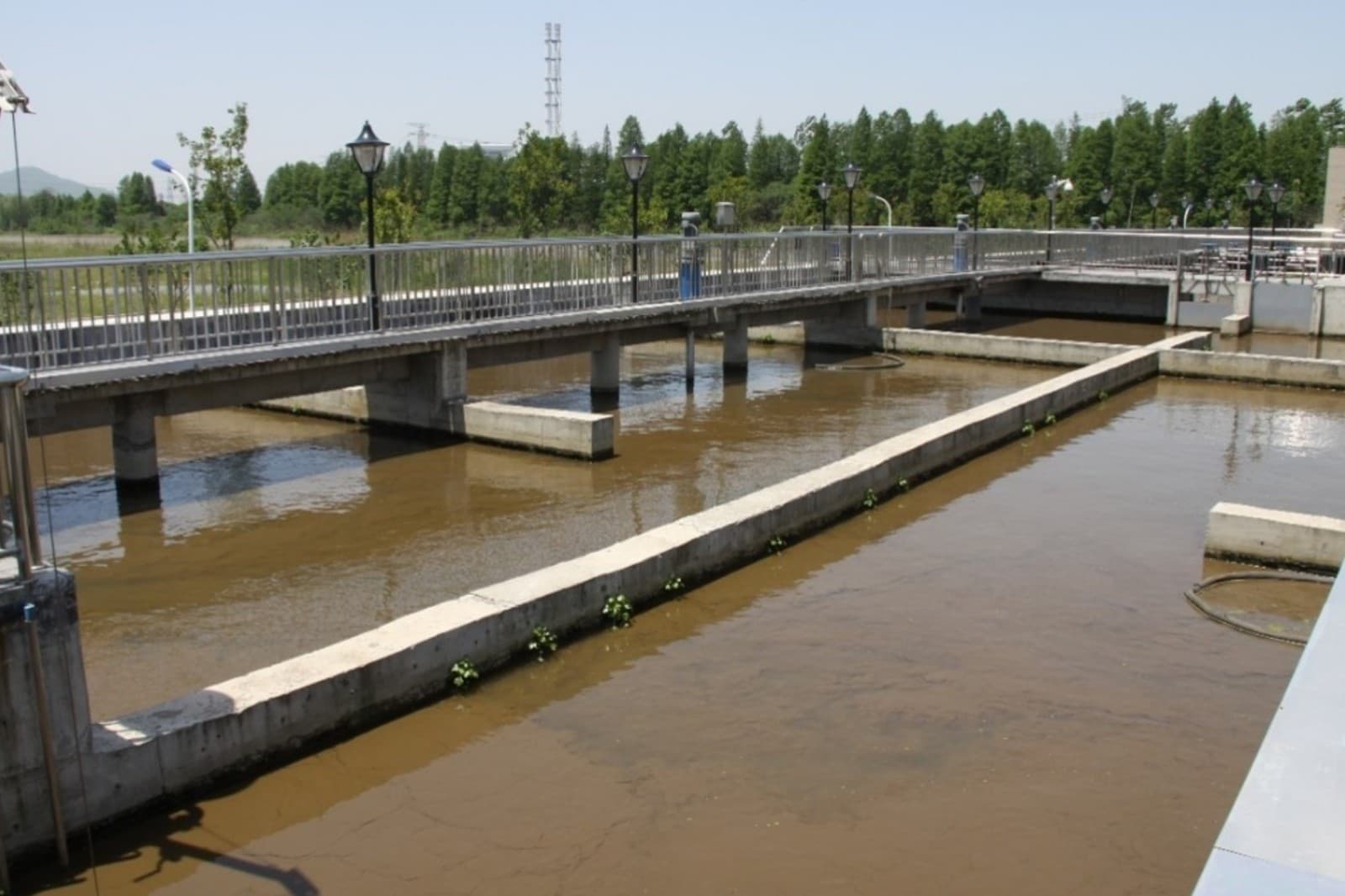
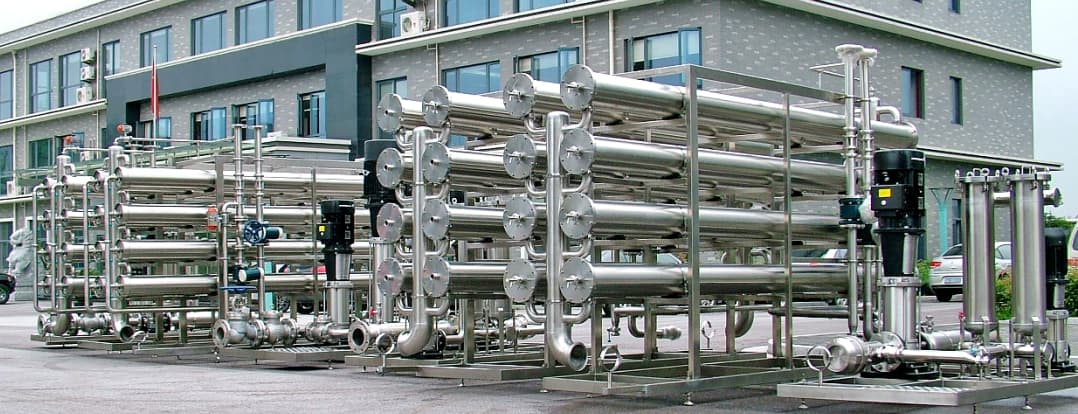
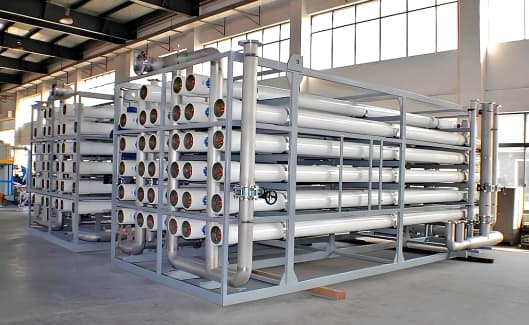
Kaimi provides organic tubular membranes, inorganic ceramic membranes, hollow fiber MBR systems, organic spiral membrane equipment and containerized mobile wastewater treatment systems.

MF / UF / NF / RO
Membrane modules
System equipment
Membrane products and integrated treatment systems.
Selection Logic

Choose by feed behavior, operating window and downstream quality target.

This page is designed to support technical selection before a pilot, from product family comparison down to named module and equipment entries.

What Buyers Need

Typical product evaluation inputs

Most product discussions start from a small set of engineering inputs that the sales and technical teams can validate quickly.

Feed composition and solids profile
Target permeate or concentration objective
Cleaning regime and chemical compatibility
Preferred module format or skid constraint
Product Specifications

Detailed modules and equipment by product family.

Product pages include overview, construction notes, model information, operating conditions, applications and product images.

Organic Tubular Membrane
Family 01

Organic Tubular Membrane

Platform Overview

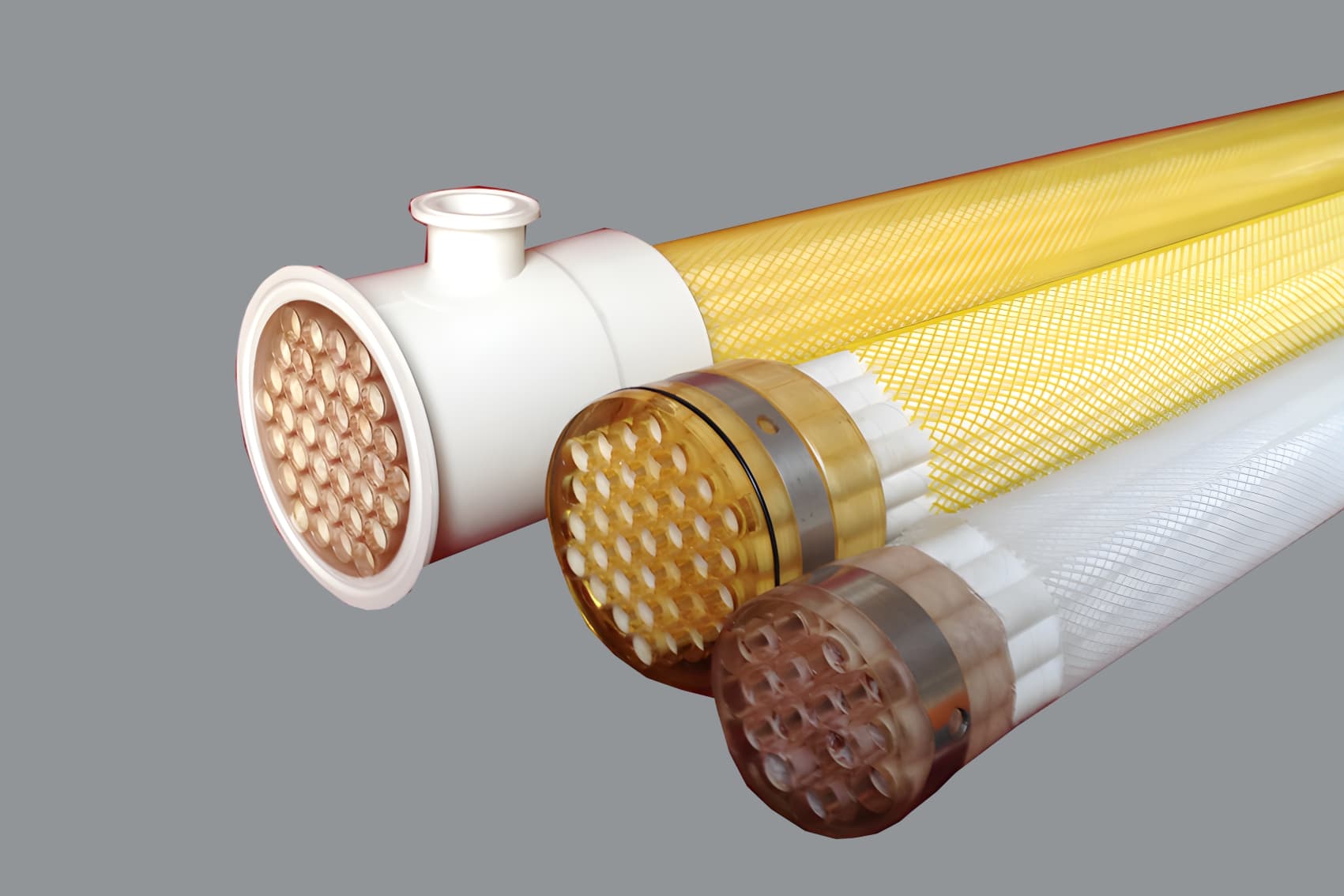
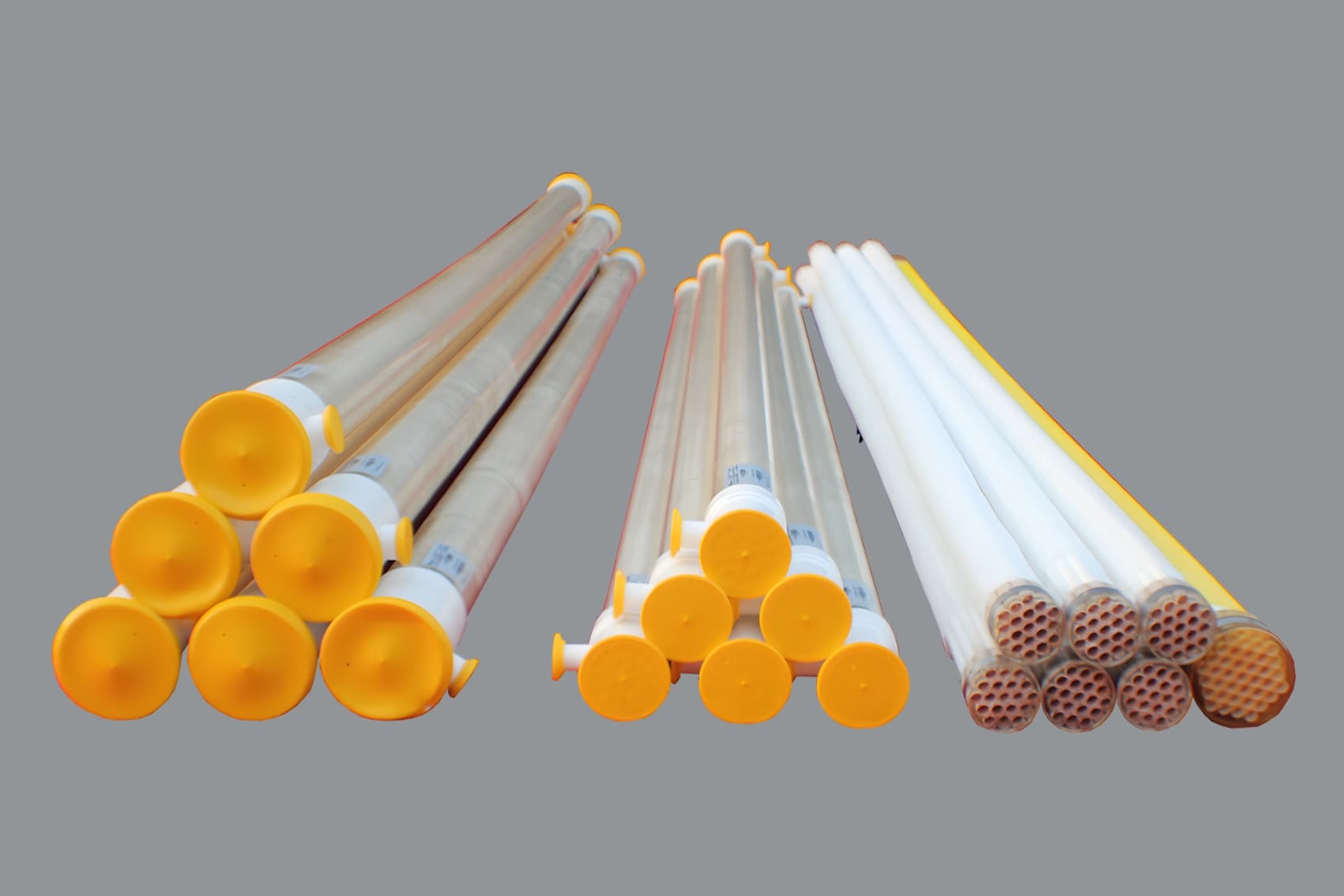
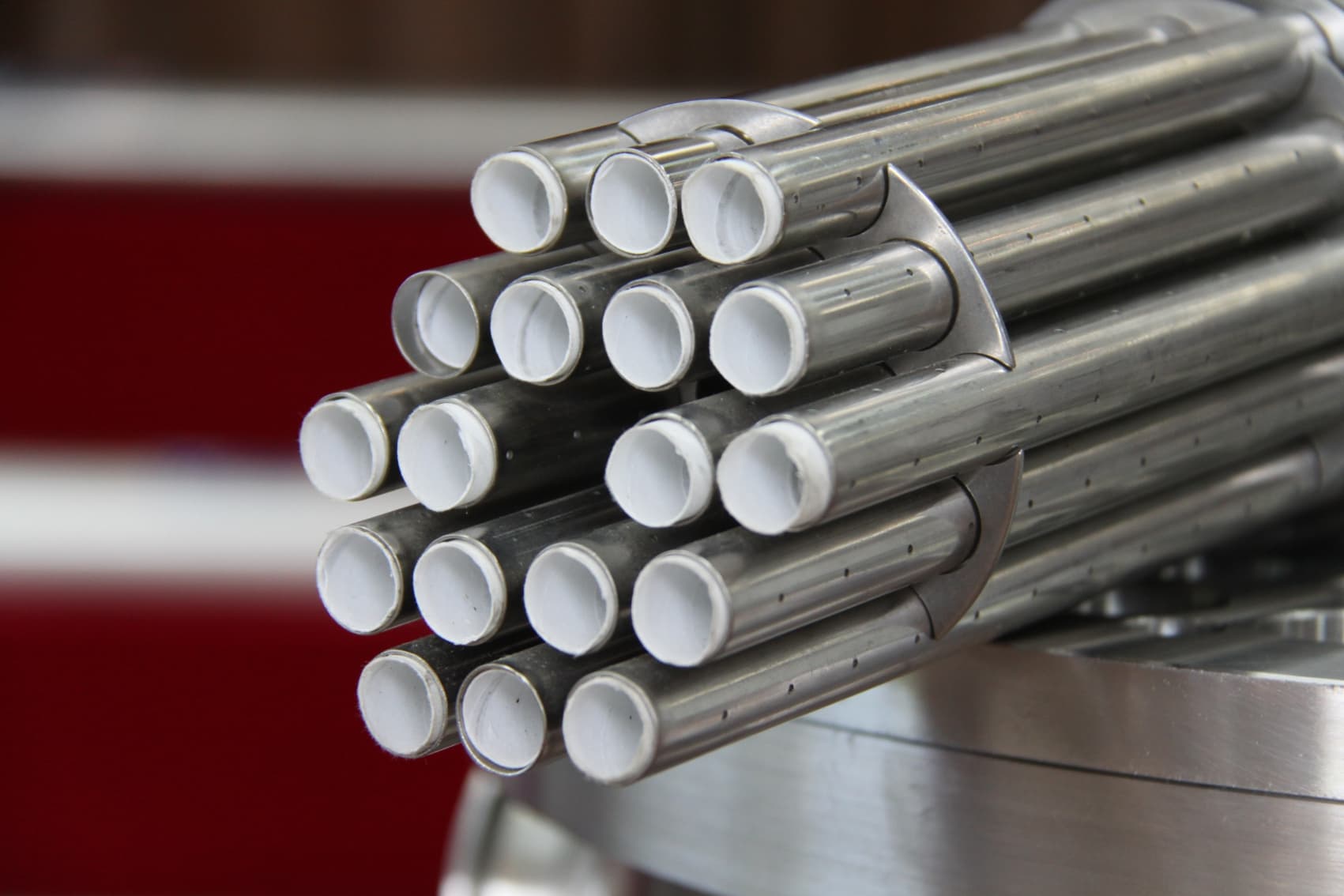
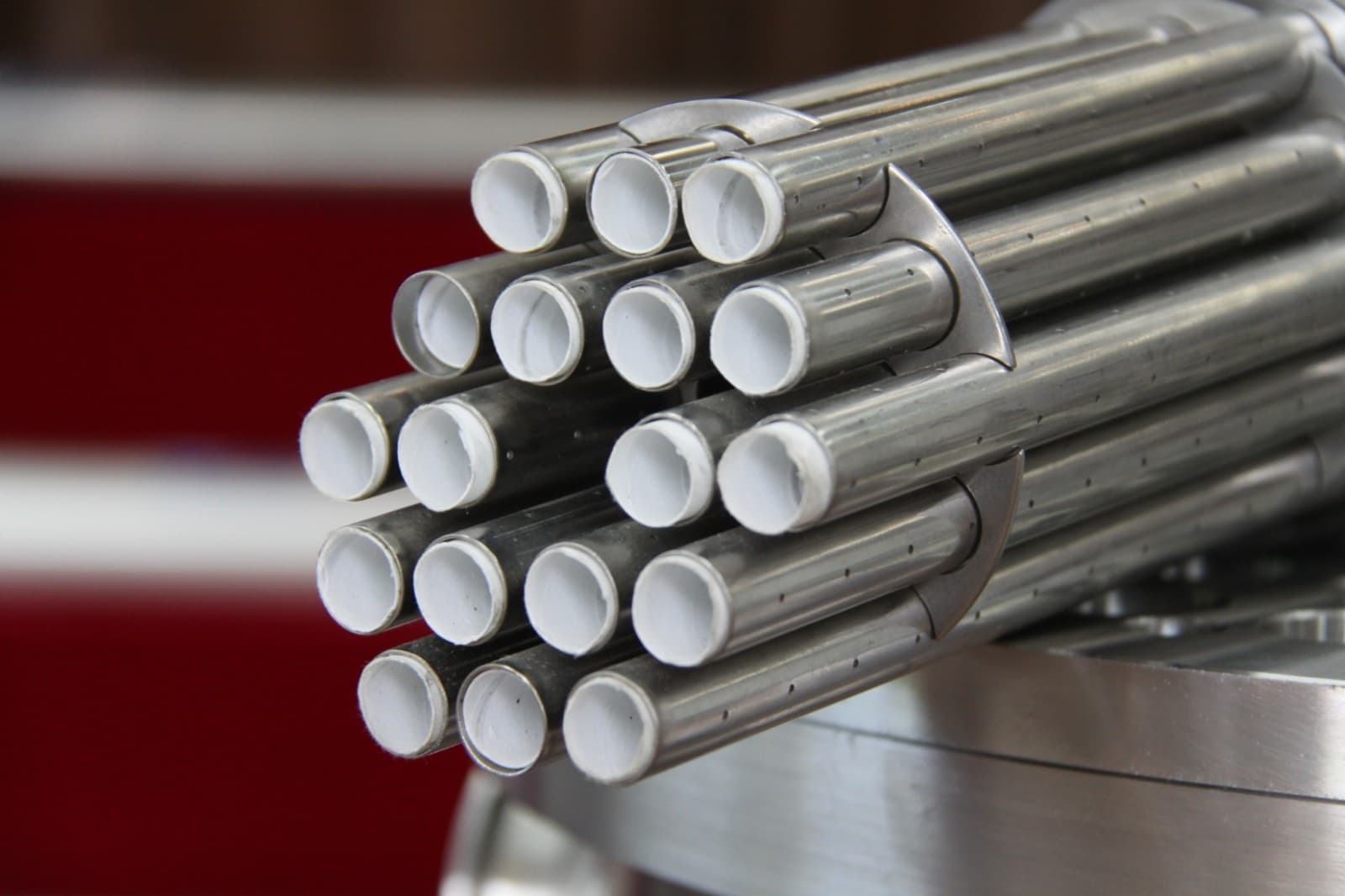
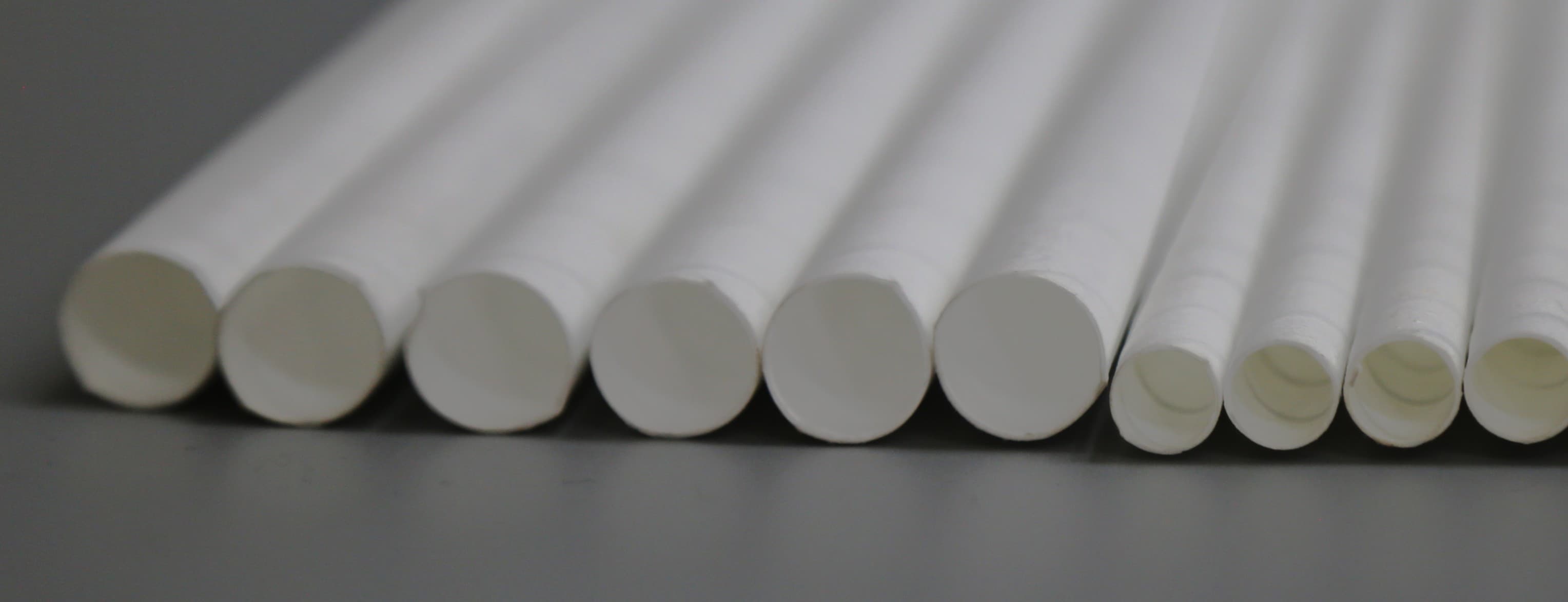
Tubular membrane is cast on glass fiber synthetic paper, nonwoven cloth, plastic or stainless steel support with 5-25 mm diameter and 0.3-6 m length, then assembled into plastic or stainless steel housings.

Driven by transmembrane pressure, water and small molecules pass through while big molecules are retained and collected.

Technical Marker
5-25 mm tube diameter, 0.3-6 m tube length
PVDF / PESpH 0-14 optionOpen channelHigh solids
Advantages
  • Acid and alkali resistant organic tubular membrane with pH range from 0 to 14
  • Open channel structure for high-viscosity and high-solid liquid systems
  • Good flux recovery after cleaning
  • High separation accuracy with narrow pore size distribution
  • Braced membrane module can be disassembled and used repeatedly
  • Good physical mechanical capability and unbreakable structure
Parameters
  • PVDF / PES materials
  • FM-50N, FM-100, FM-15, SM-50N, SM-20, SM-5 series
  • 6, 8 and 12.5 mm membrane diameter
  • 50-1000 kPa or 50-1500 kPa operating pressure
Inorganic Ceramic Membrane
Family 02

Inorganic Ceramic Membrane

Platform Overview

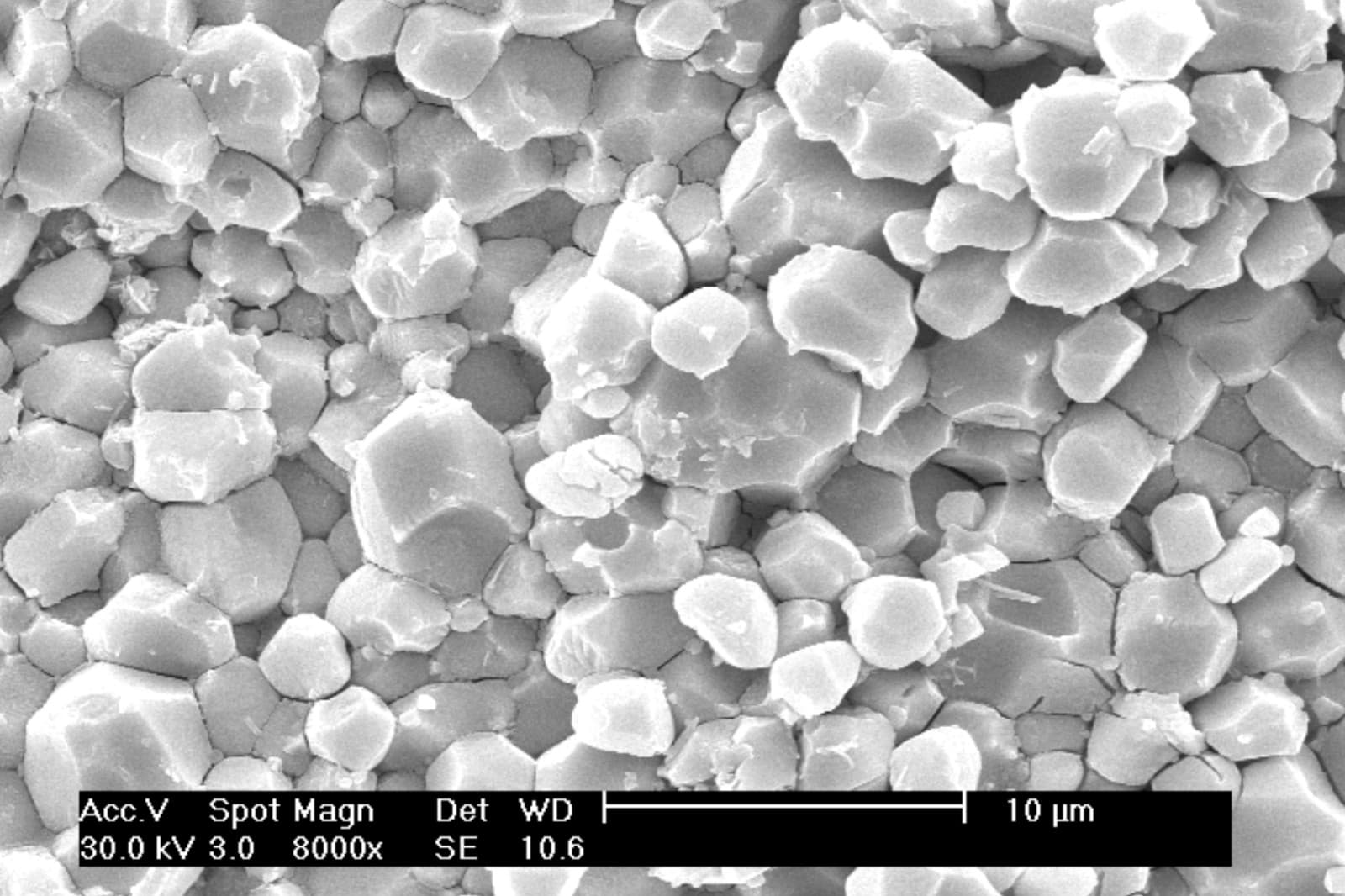
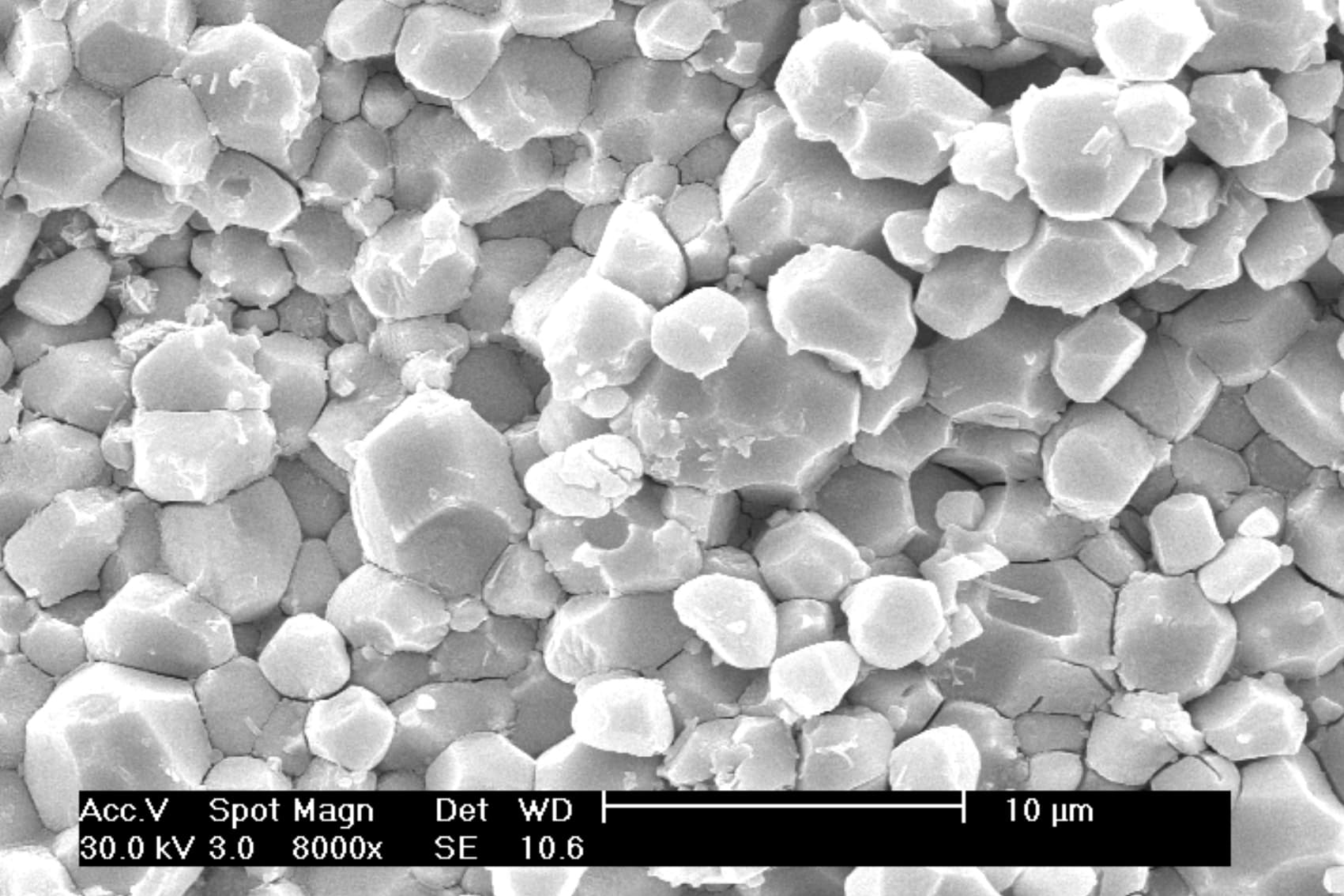
Ceramic membrane is a porous fine ceramic filtration material sintered from aluminum oxide under ultra-high temperature, with asymmetric support, active membrane and separation layers.

The membrane normally operates in crossflow filtration mode. Permeate passes through the active layer while solids and macro-molecules remain in the retentate.

Technical Marker
MF 0.05-1.5 um, UF 50-10 KD, NF below 1 nm
CeramicAcid / alkaliHigh temperatureCrossflow
Advantages
  • Excellent resistance to acid, alkali, oxidizing chemicals and organic solvents
  • High temperature resistance with easy cleaning, sterilization and backwash
  • Good biochemical compatibility and antimicrobial resistance
  • Great mechanical strength and abrasion resistance
  • Fine separation accuracy with narrow pore size distribution
  • 100% tested for performance
Parameters
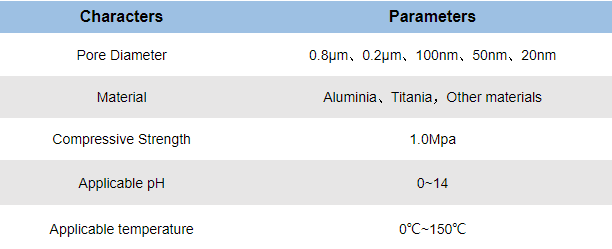
  • 0.8 um, 0.2 um, 100 nm, 50 nm and 20 nm pore diameter
  • Alumina, titania and other materials
  • 1.0 MPa compressive strength
  • pH 0-14 and 0-150 C applicable temperature
Hollow Fiber Membrane
Family 03

Hollow Fiber Membrane

Platform Overview

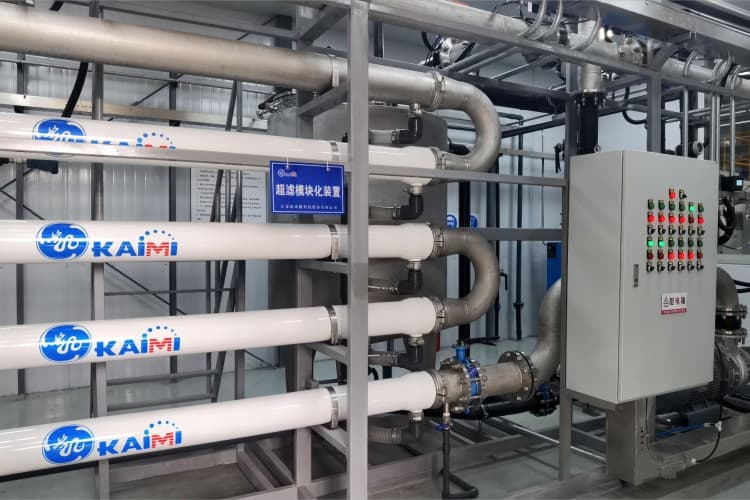
The MBR product line combines activated sludge biological treatment with efficient membrane separation, replacing the secondary sedimentation tank and improving sludge concentration and water quality.

Membrane interception separates hydraulic retention time from sludge retention time, making MBR suitable for municipal sewage, industrial wastewater treatment and reuse.

Technical Marker
Used as MBR and RO pretreatment
MBRMunicipalReuseCompact
Advantages
  • Efficient pollutant removal with strong permeate output
  • Differentiates HRT and SRT through membrane interception
  • Impact resistance and high concentration activated sludge
  • Short processing time and compact footprint
  • Automatic control, easy maintenance and labor saving
  • Fast startup with permeate quality quickly meeting requirements
Parameters
  • Activated sludge plus membrane separation
  • Reduced excess sludge
  • Can be used as RO pretreatment
  • External and submerged MBR system use
Organic Spiral Membrane
Family 04

Organic Spiral Membrane

Platform Overview

Spiral membrane uses flat membrane sealed into envelope-like bags. Two bags are separated by mesh spacing material and wound around a porous center tube.

Feed flows axially through the module. Under pressure, permeate moves radially into the center tube while retained substances exit from the other end.

Technical Marker
Wide channel material membrane and narrow channel water membrane
Spiral woundMaterial separationWater treatmentHigh area
Advantages
  • Large loading area
  • Multiple feed flow channels
  • Stable and durable long-term operation
  • High pressure resistance
  • Tolerance to chemical solvent and temperature variation
Parameters
  • Flat sheet membrane bags
  • Mesh spacing material
  • Porous center tube
  • Circular pressure vessel
Containerized Mobile Wastewater Treatment System
Family 05

Containerized Mobile Wastewater Treatment System

Platform Overview

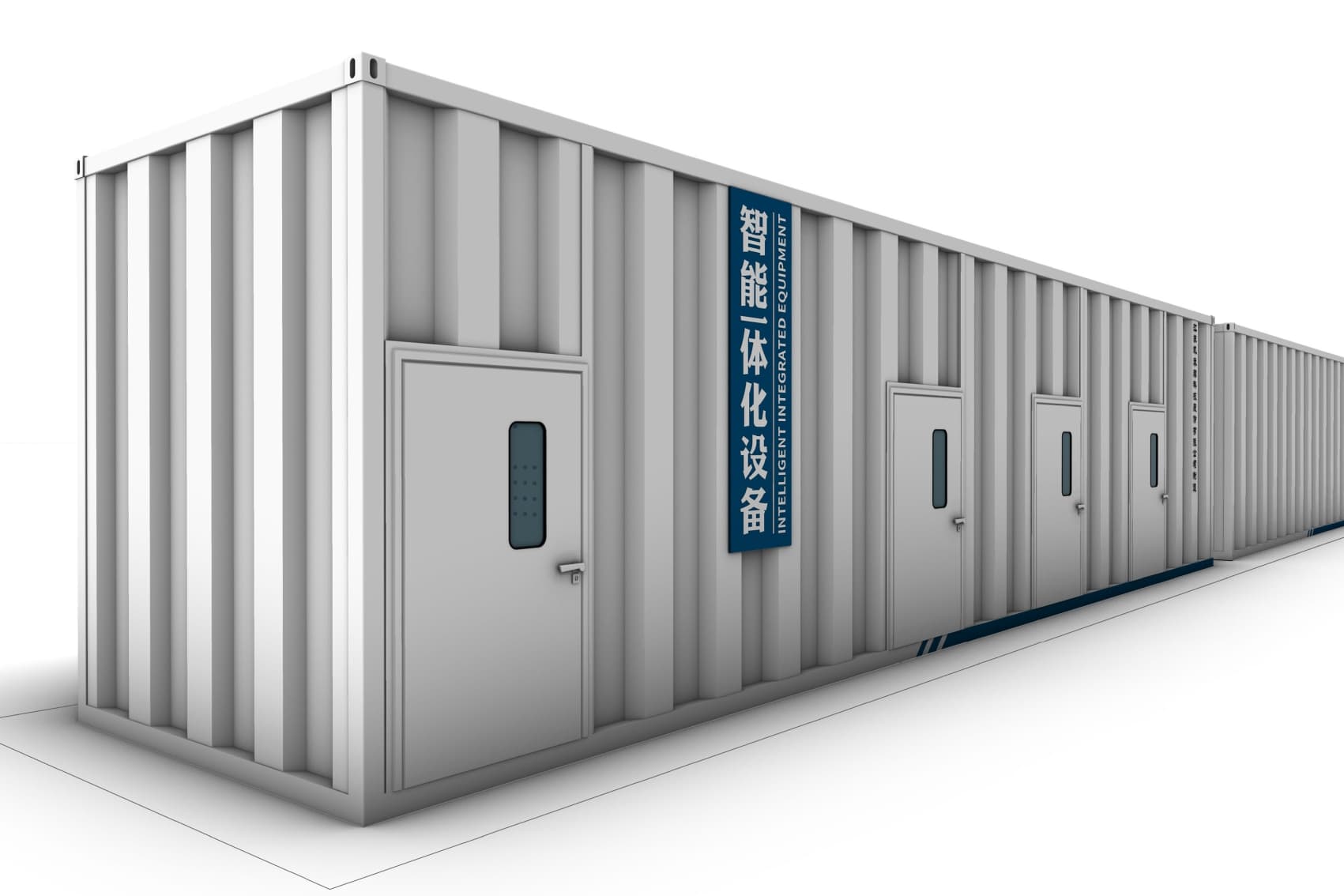
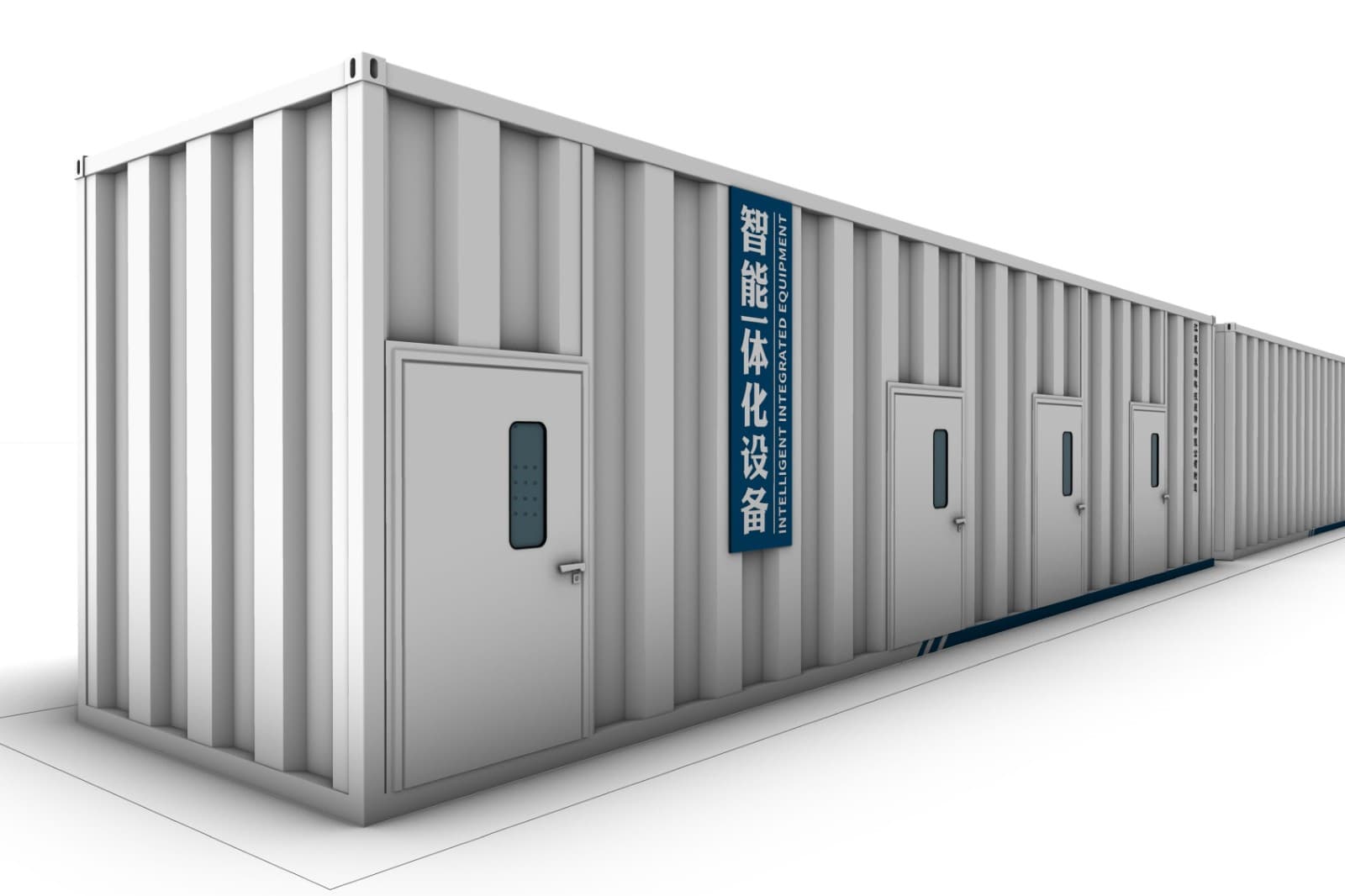
A packaged wastewater treatment system with treatment equipment preinstalled in an ISO shipping container. A single set can treat 200-500 m3/d and can be reused or combined.

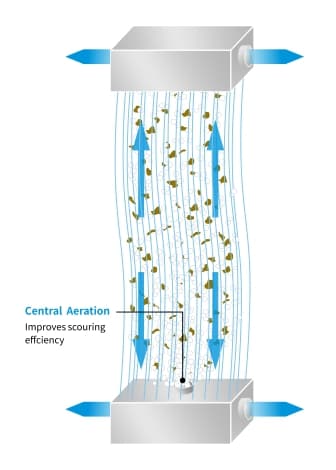
The system combines advanced membrane technology with biofilm technology, Double Header Design MBR modules and an intelligent management platform for online monitoring.

Technical Marker
ISO container system with 24/7 online monitoring
200-500 m3/dContainerizedPlug and playRemote O&M
Advantages
  • Modular design, fully automatic and plug and play
  • Small footprint and easy relocation
  • Noise isolation and lower CAPEX
  • Smart remote O&M control
  • Premium MBR modules with high flux and anti-fouling behavior
  • Average membrane aperture can reach 30 nm
Parameters
  • 200-500 m3/d per set
  • Reusable and combinable
  • Double Header Design MBR modules
  • 24/7 intelligent monitoring platform
Product Details

Product modules, equipment and system options for technical selection.

Compare product construction, model information, operating conditions, application fit and image assets before starting a technical inquiry.

Organic Tubular Membrane

Sanitary Tubular Membrane
Organic Tubular Membrane

Sanitary Tubular Membrane

Product Overview
Open full detail page →

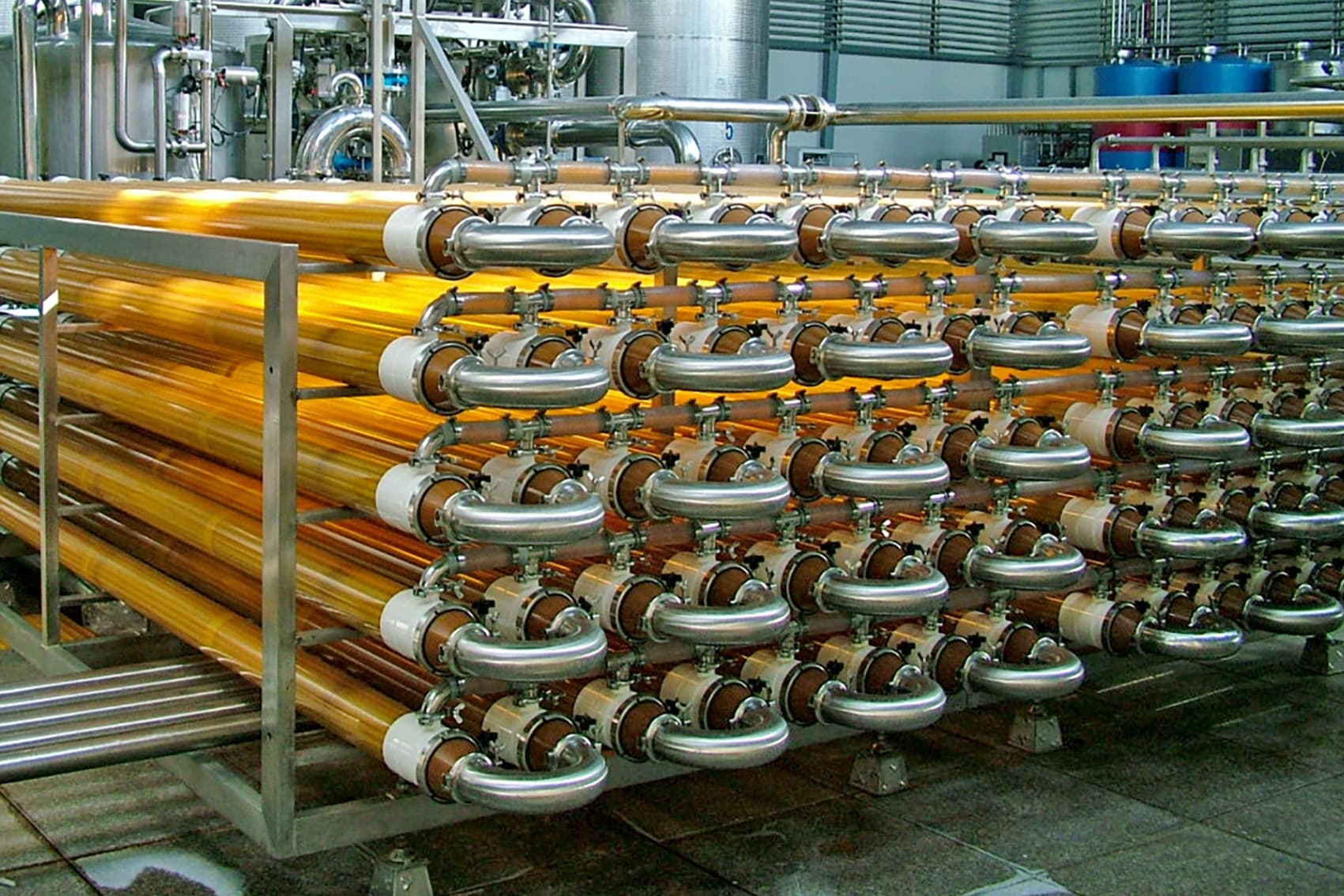
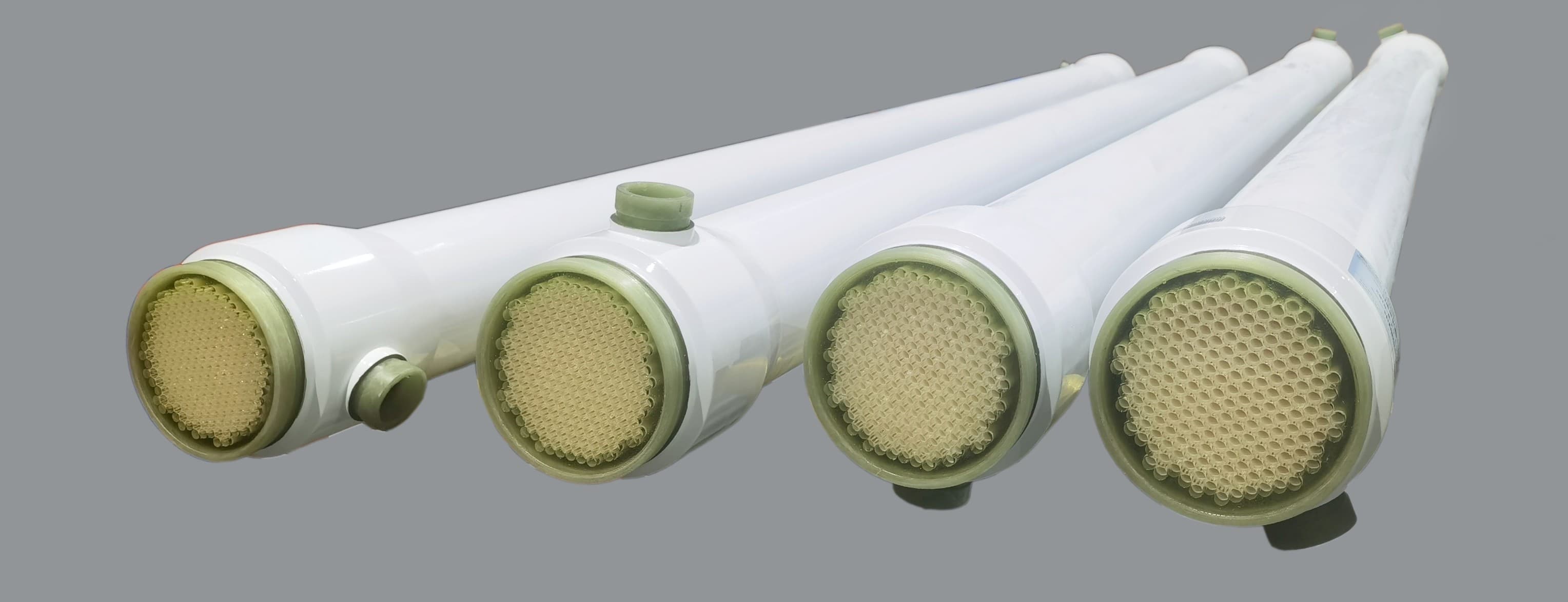
KAIMI's Sanitary Tubular Membrane provides an effective juice clarification process for many fruit juices including apple, pear, peach, orange, lemon, cherry, pomegranate and cranberry juice, with the goal of removing turbidity while maintaining color, flavor and aroma.

Construction

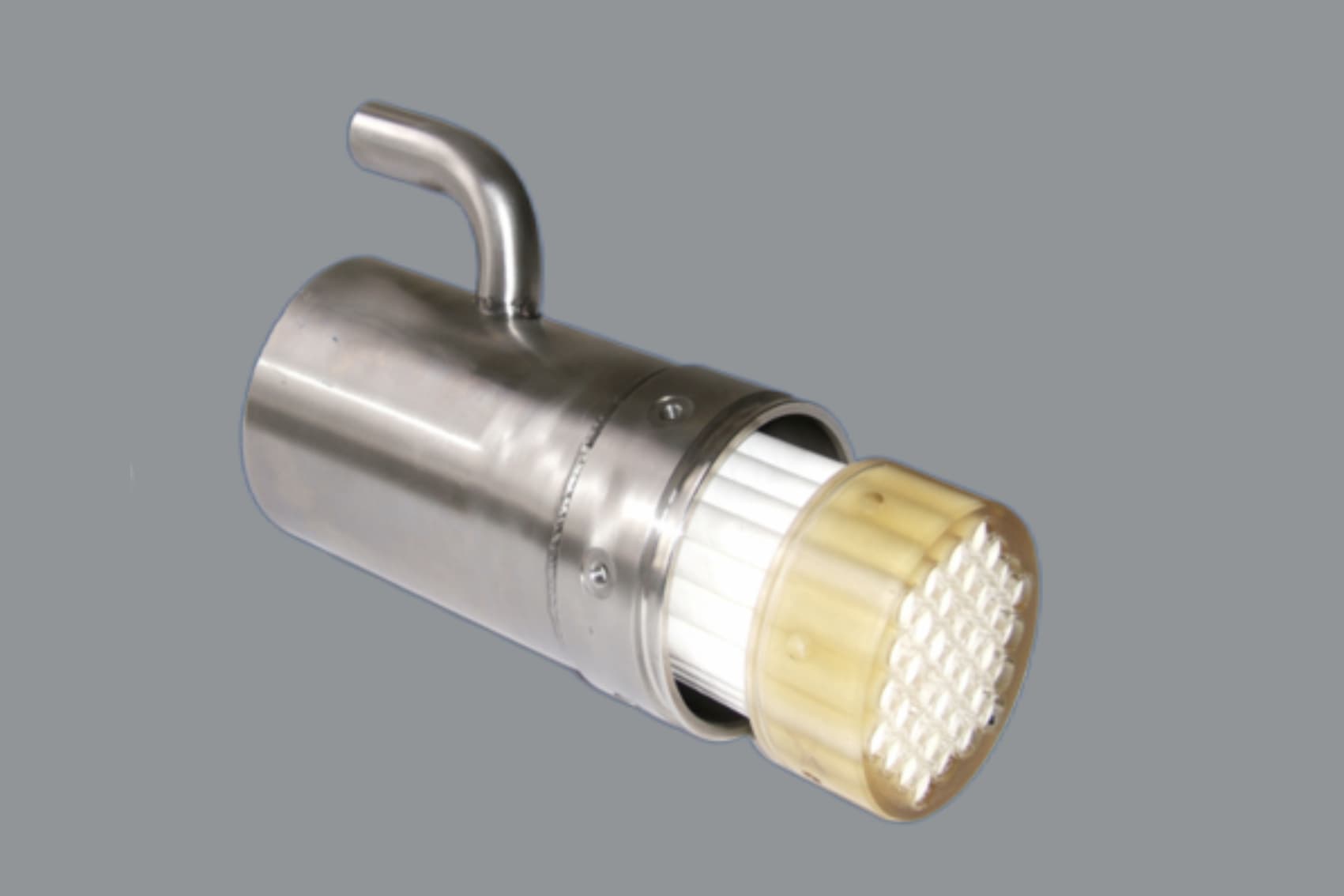
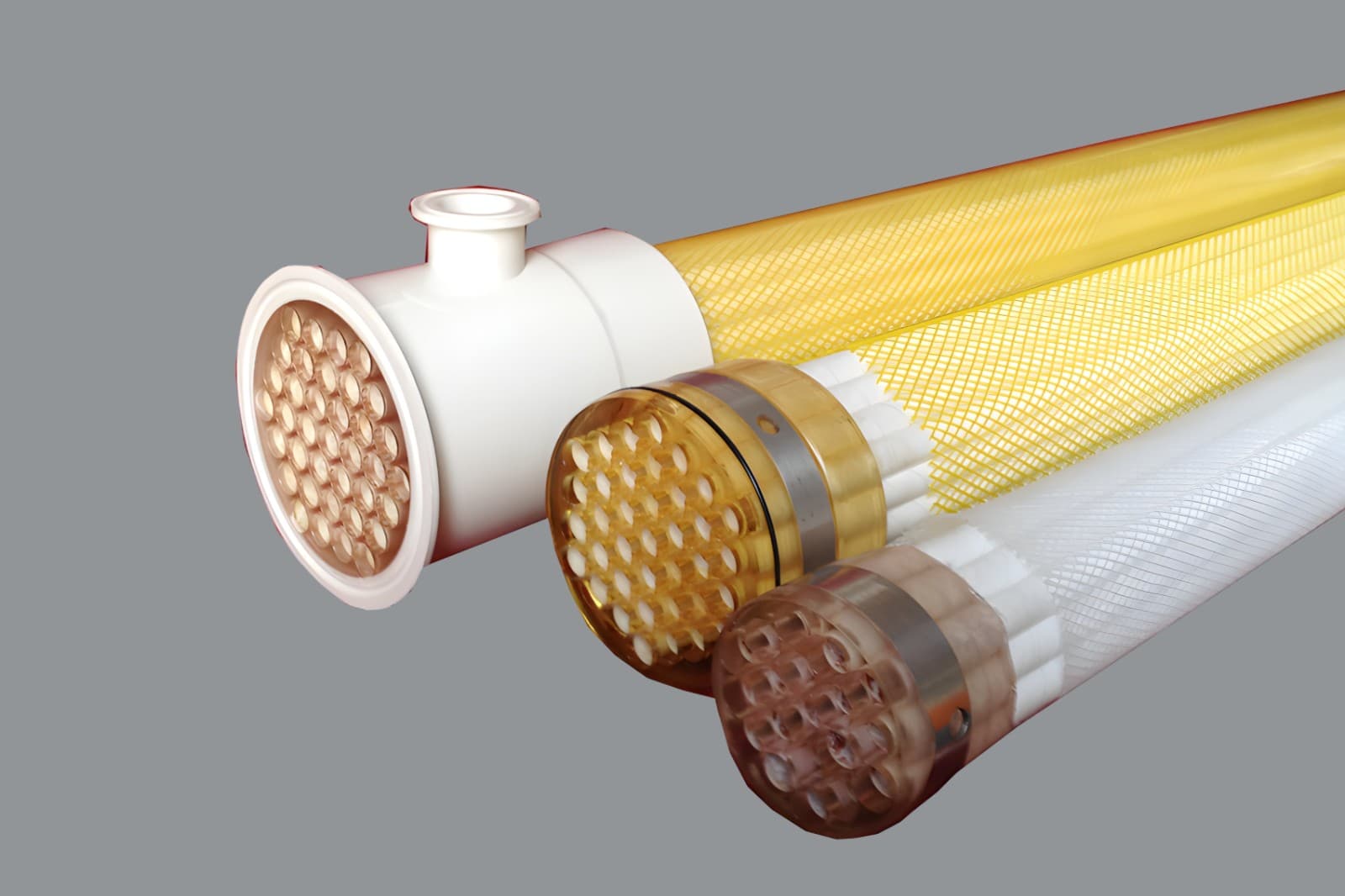
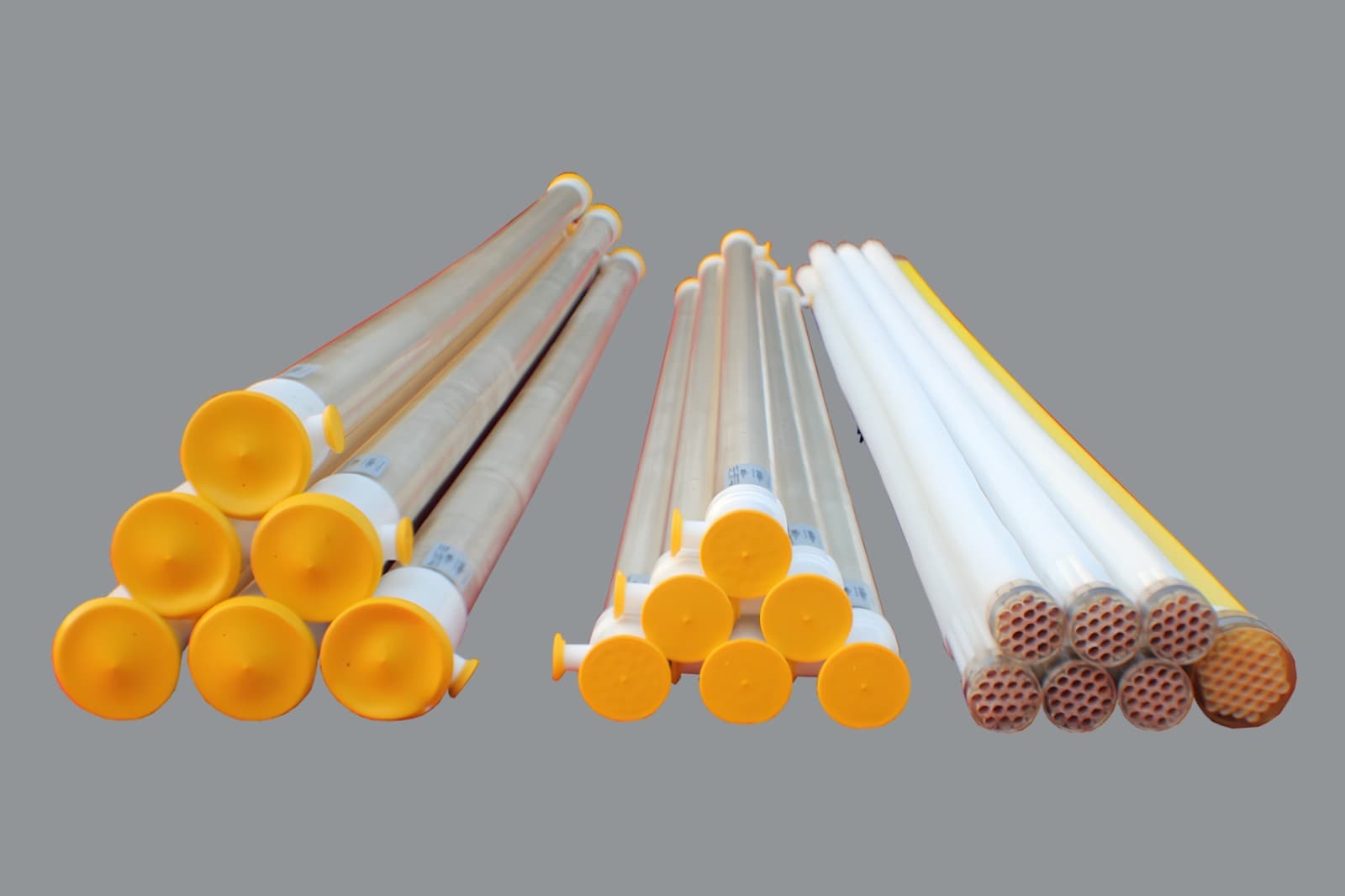
Two main housing routes are available: polysulfone visualization membrane housing for transparent processing observation, and removable stainless steel housing for sustainable membrane core replacement.

Application Fit
Fruit juice clarificationLight and dark colored fruit juice filtrationMembrane replacement service for juice factoriesUF system for juice clarification
Models / Types

KMTC-J-PU Series

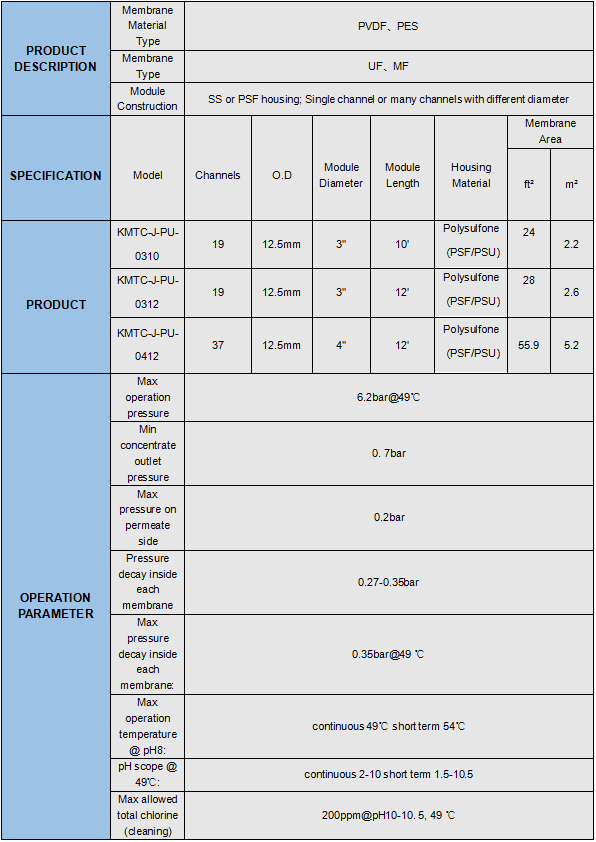
  • Membrane material: PVDF / PES
  • Membrane type: UF / MF
  • Module construction: SS or PSF housing
  • Single channel or many channels with different diameter
  • Models: KMTC-J-PU-0310, KMTC-J-PU-0312, KMTC-J-PU-0412

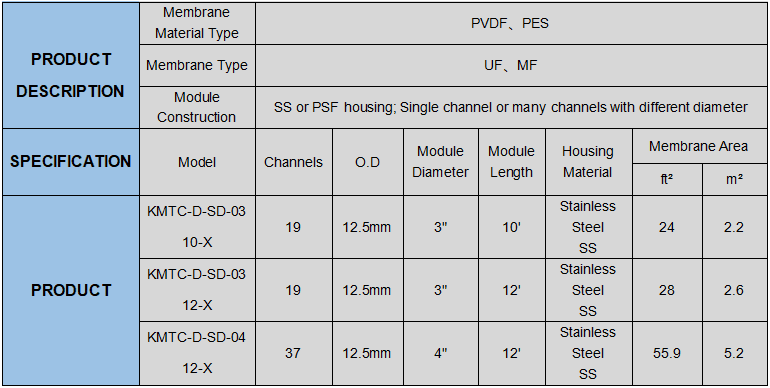
KMTC-D-SD Series

  • Stainless steel housing
  • 12.5 mm tube diameter
  • 10 ft and 12 ft module length options
  • Membrane area from 24 ft2 to 55.9 ft2
  • Designed for replacement membrane and equipment service
Operating Conditions
  • Max operation pressure: 6.2 bar at 49 C
  • Min concentrate outlet pressure: 0.7 bar
  • Max pressure on permeate side: 0.2 bar
  • Max operation temperature at pH 8: continuous 49 C, short term 54 C
  • pH scope at 49 C: continuous 2-10, short term 1.5-10.5
  • Max allowed total chlorine for cleaning: 200 ppm at pH 10-10.5, 49 C
High Packing Density Membrane Module
Organic Tubular Membrane

High Packing Density Membrane Module

Product Overview
Open full detail page →

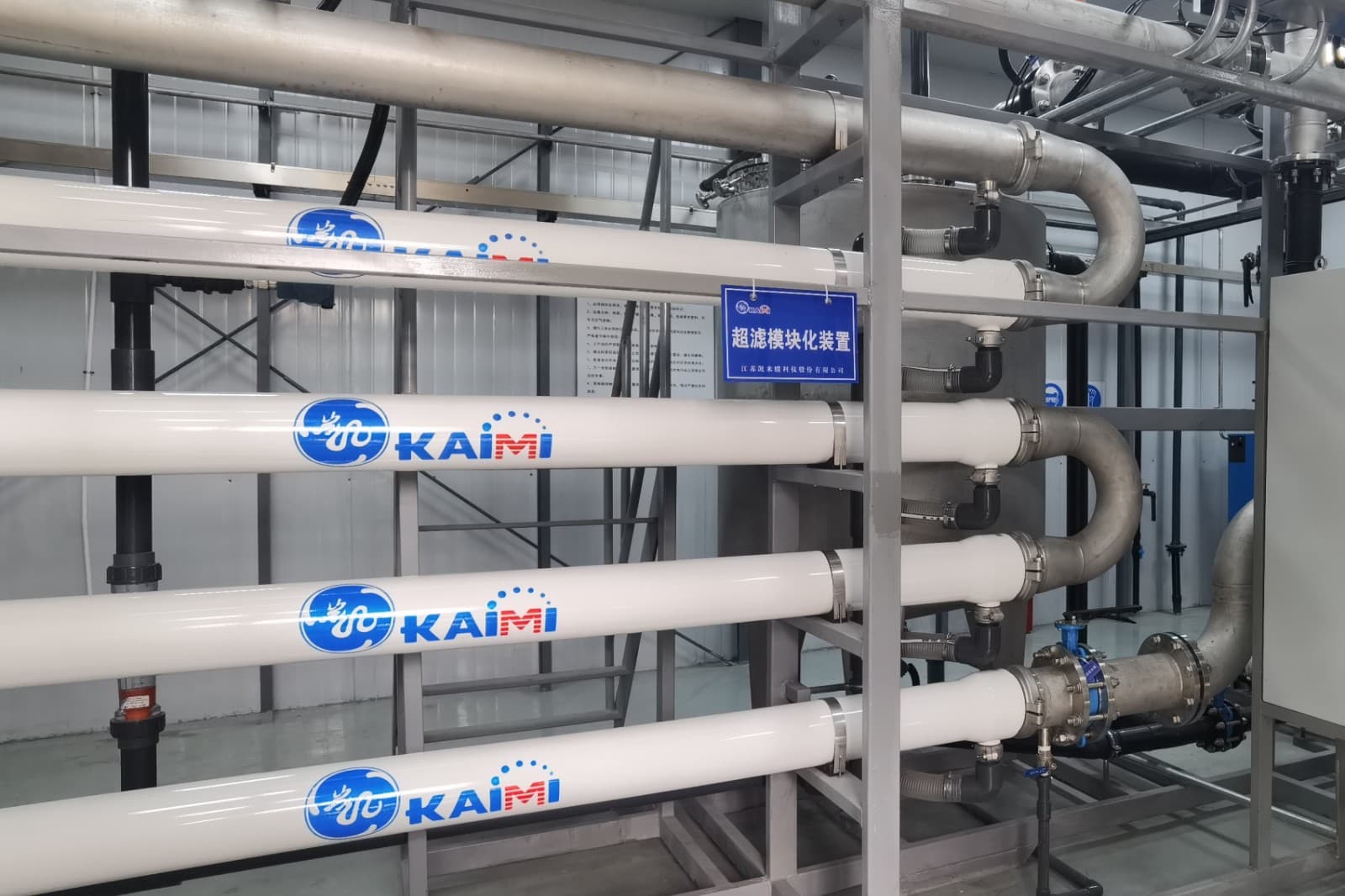
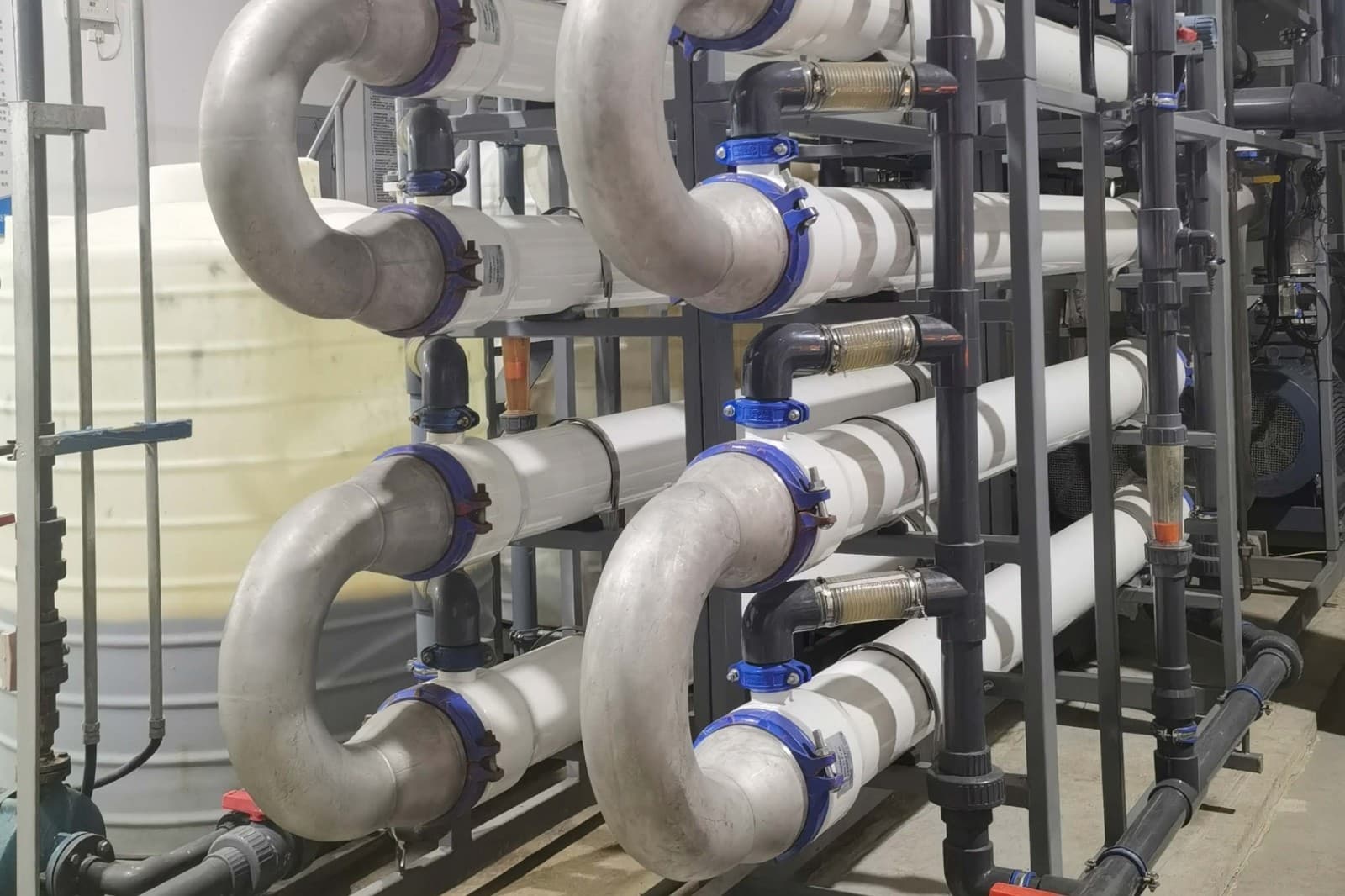
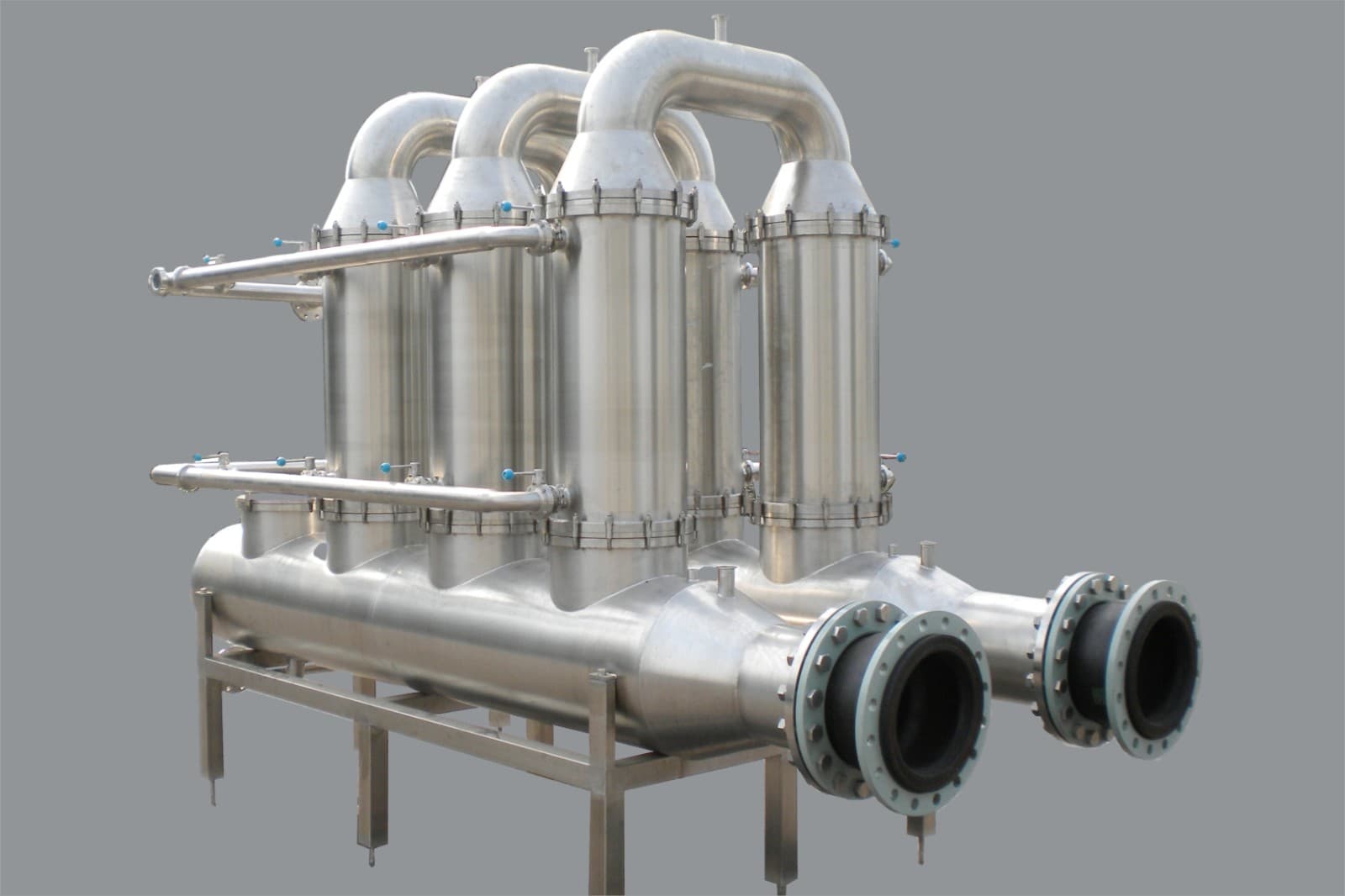
The MIMASS series high packing density membrane module is positioned as an external MBR module with superior fouling resistance and an 8 mm wide flow path. It is suited to wastewater with high viscosity or suspended solids, such as landfill leachate.

Construction

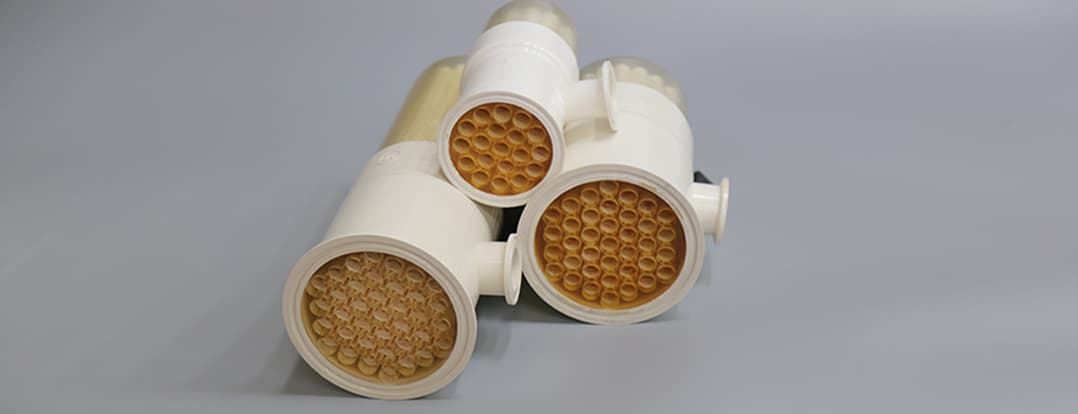
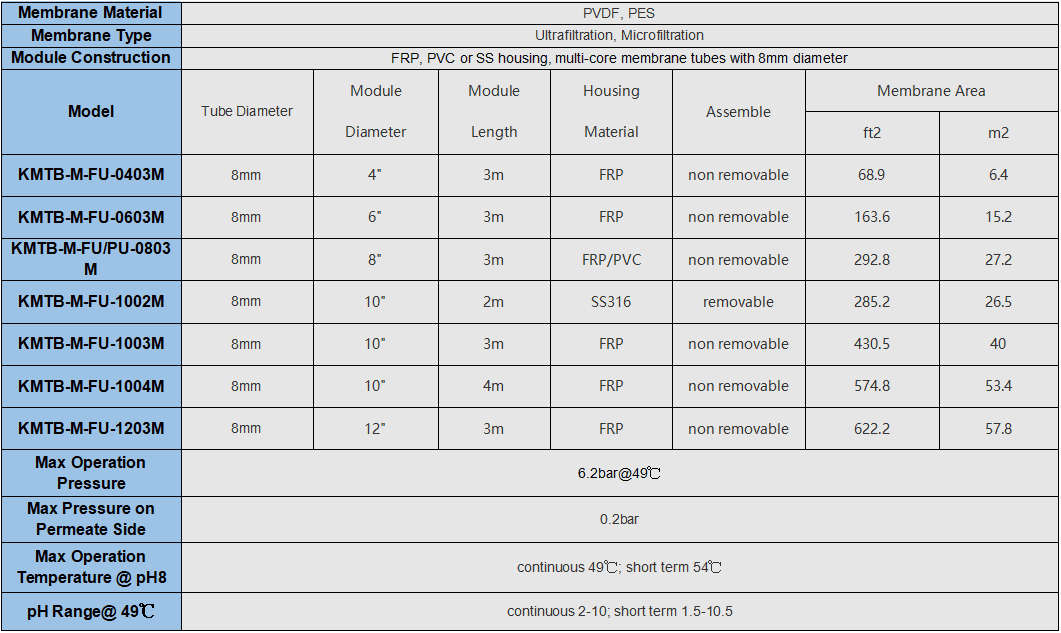
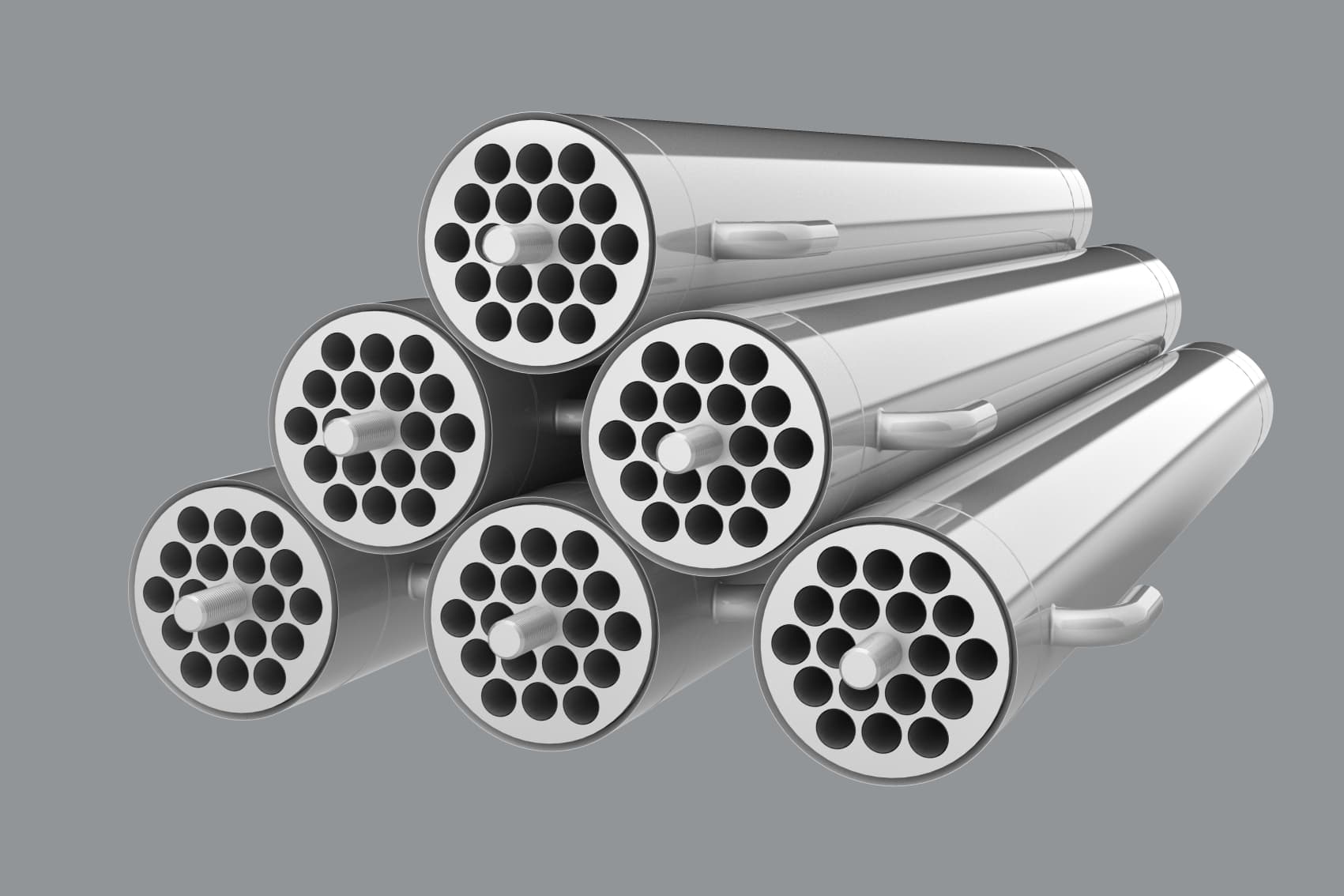
The product page describes FRP, PVC or stainless steel housing, multi-core membrane tubes with 8 mm diameter, and compact crossflow filtration for a more economical system configuration.

Application Fit
LeachateFood industry effluentsBrine recoveryTextile wastewaterIndustrial clarificationMetal and mining wastewaterOil and gas wastewaterPharmaceutical and chemical wastewater
Models / Types

Product Types

  • Membrane material: PVDF / PES
  • Membrane type: Ultrafiltration / Microfiltration
  • Module construction: FRP, PVC or SS housing
  • Tube diameter: 8 mm
  • Module diameter range: 4 inch to 12 inch

Model Examples

  • KMTB-M-FU-0403M: 4 inch, 3 m, 6.4 m2
  • KMTB-M-FU-0603M: 6 inch, 3 m, 15.2 m2
  • KMTB-M-FU/PU-0803M: 8 inch, 3 m, 27.2 m2
  • KMTB-M-FU-1003M: 10 inch, 3 m, 40 m2
  • KMTB-M-FU-1203M: 12 inch, 3 m, 57.8 m2
Product Images
High Packing Density Membrane Module image 1
High Packing Density Membrane Module image 2
High Packing Density Membrane Module image 3
High Packing Density Membrane Module image 4
High Packing Density Membrane Module image 5
Operating Conditions
  • High and stable flux, positioned as 6 to 10 times submerged MBR
  • Unbreakable membrane tube, easy to clean and replace
  • Fouling resistant, no routine backwash required
  • CIP is easy and convenient
  • Max operation pressure: 6.2 bar at 49 C
  • pH range at 49 C: continuous 2-10, short term 1.5-10.5
Braced Membrane Module
Organic Tubular Membrane

Braced Membrane Module

Product Overview
Open full detail page →

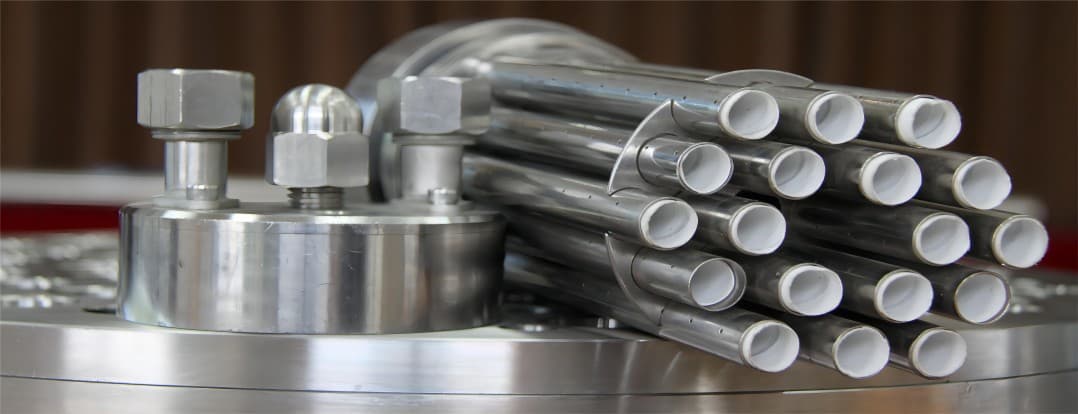
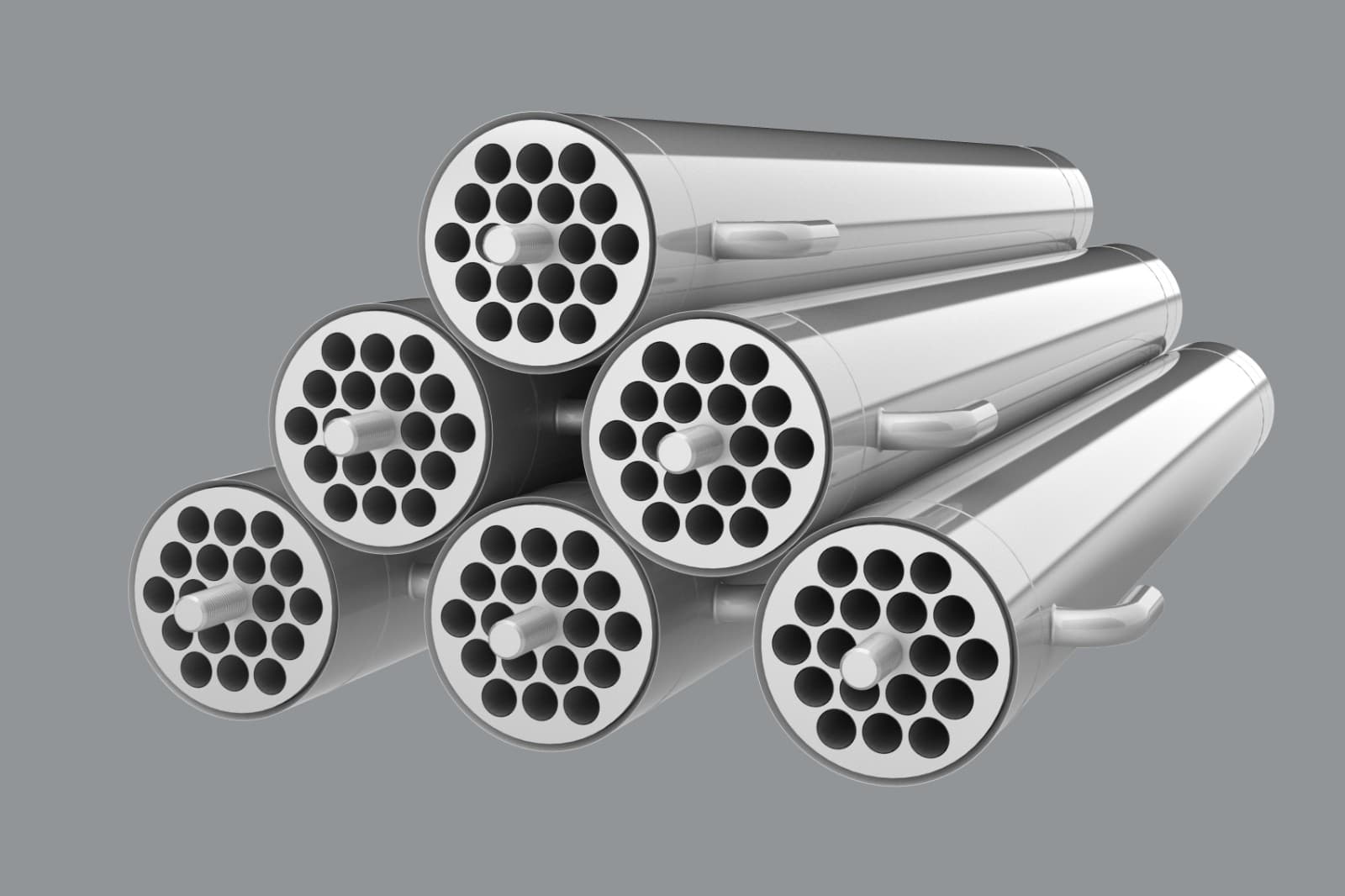
Braced tubular membranes with 12.5 mm channels are used for economic concentration and clarification of liquids and wastewater across processing industries. The current page highlights alkali and acid recovery, including tolerance to 15% H2SO4 and 20% NaOH.

Construction

The compact braced design increases strength and allows operating pressures up to 10 bar at temperatures up to 60 C, while supporting recovery rates that can reach 90% in suitable recovery processes.

Application Fit
Alkali and acid recoveryBanknote printing factory caustic ink wastewaterIon exchange process wastewater treatmentIndustrial liquid concentrationWastewater clarification
Models / Types

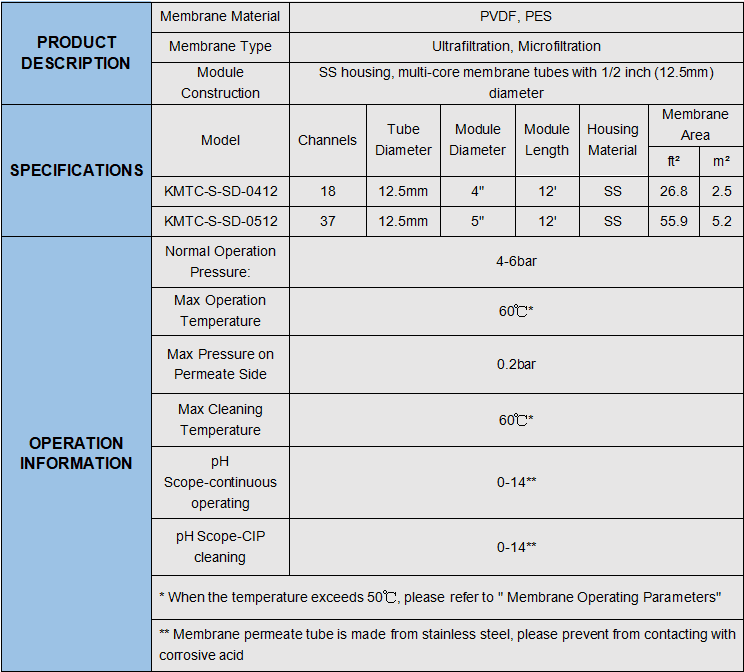
Product Description

  • Membrane material: PVDF / PES
  • Membrane type: Ultrafiltration / Microfiltration
  • Module construction: SS housing
  • Multi-core membrane tubes with 1/2 inch (12.5 mm) diameter
  • Models include KMTC-S-SD-0412 and KMTC-S-SD-0512

Core Features

  • Service life can extend to 2-3 times normal membrane
  • Maximum pressure can reach 1 MPa
  • pH range 0-14
  • Lower recirculation flow
  • Improved coupling technology
Product Images
Braced Membrane Module image 1
Braced Membrane Module image 2
Braced Membrane Module image 3
Braced Membrane Module image 4
Braced Membrane Module image 5
Braced Membrane Module image 6
Braced Membrane Module image 7
Braced Membrane Module image 8
Braced Membrane Module image 9
Operating Conditions
  • High pressure resistant
  • Acid and alkali resistant
  • Flux recovery can exceed 90%
  • Operating pressure up to 10 bar
  • Temperature up to 60 C
  • Designed for resource recovery and process wastewater clarification
Experimental Membrane Module
Organic Tubular Membrane

Experimental Membrane Module

Product Overview
Open full detail page →

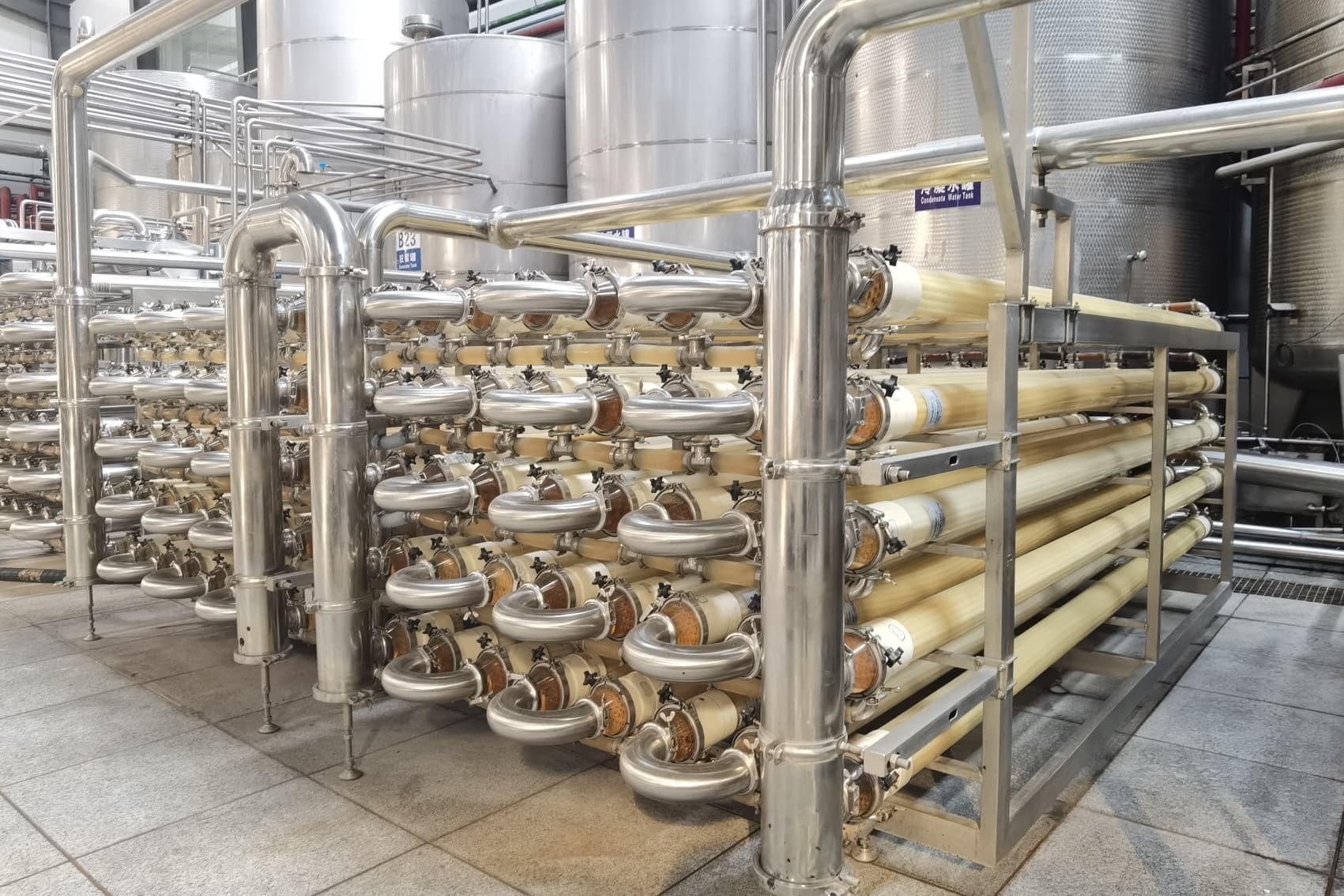
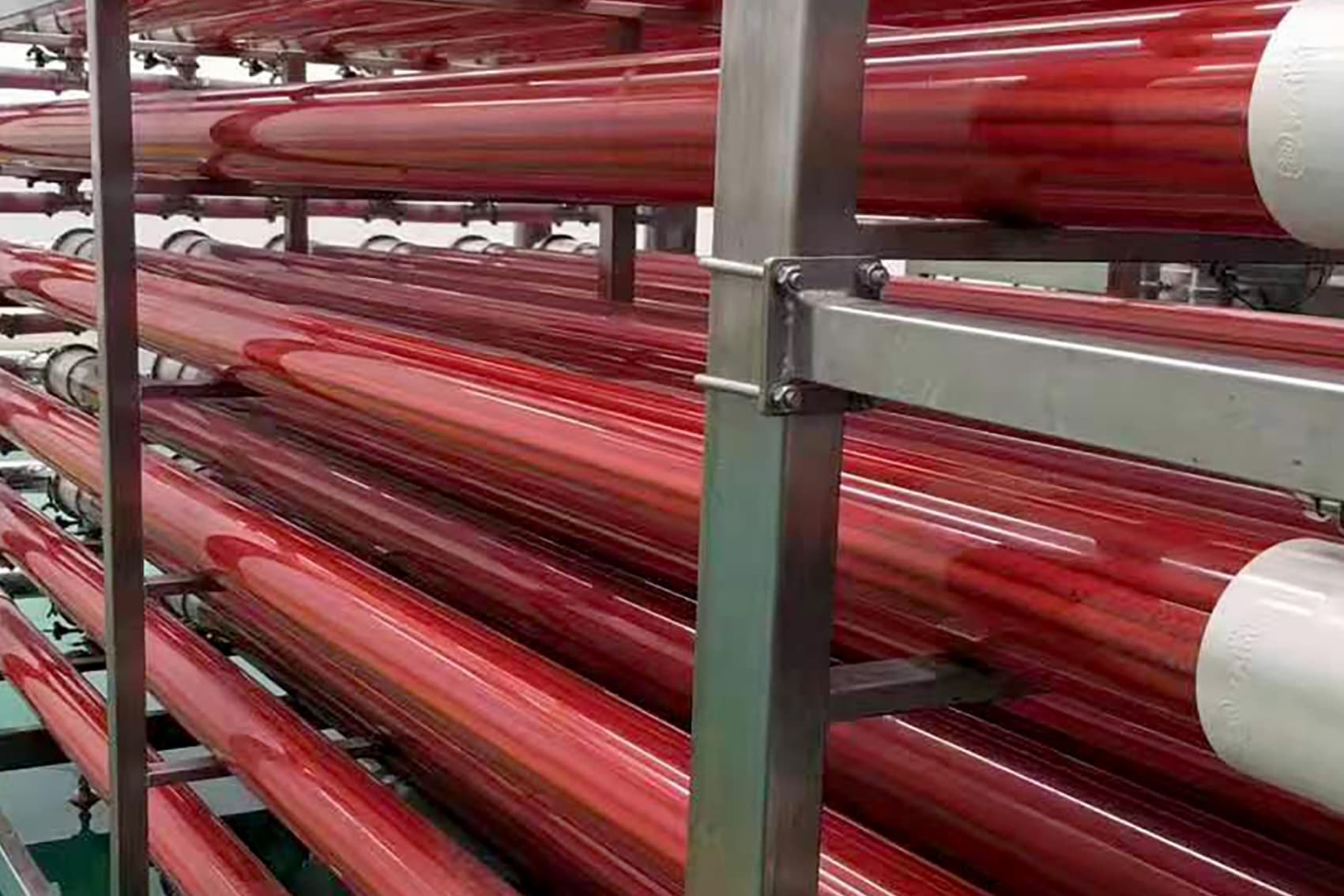
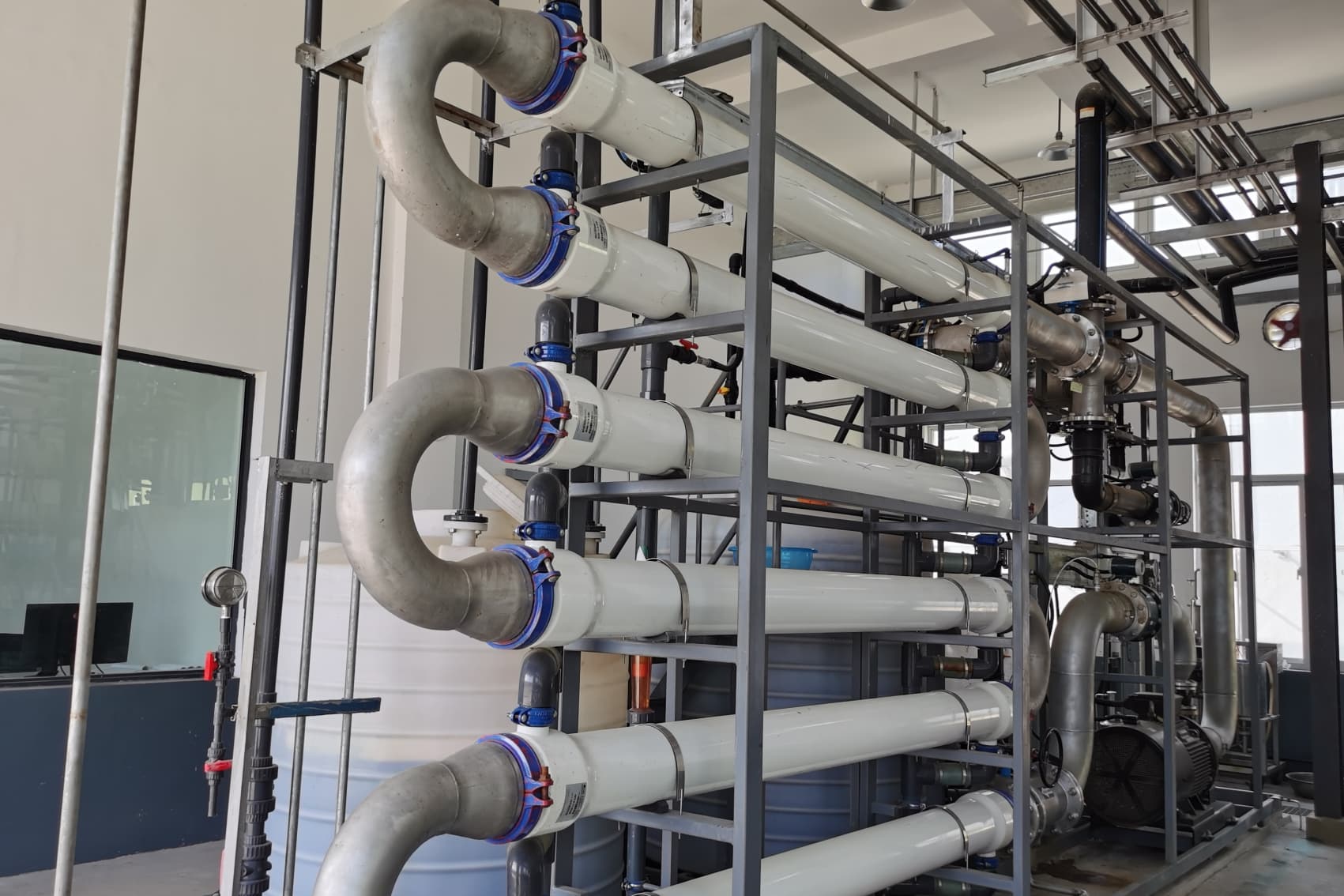
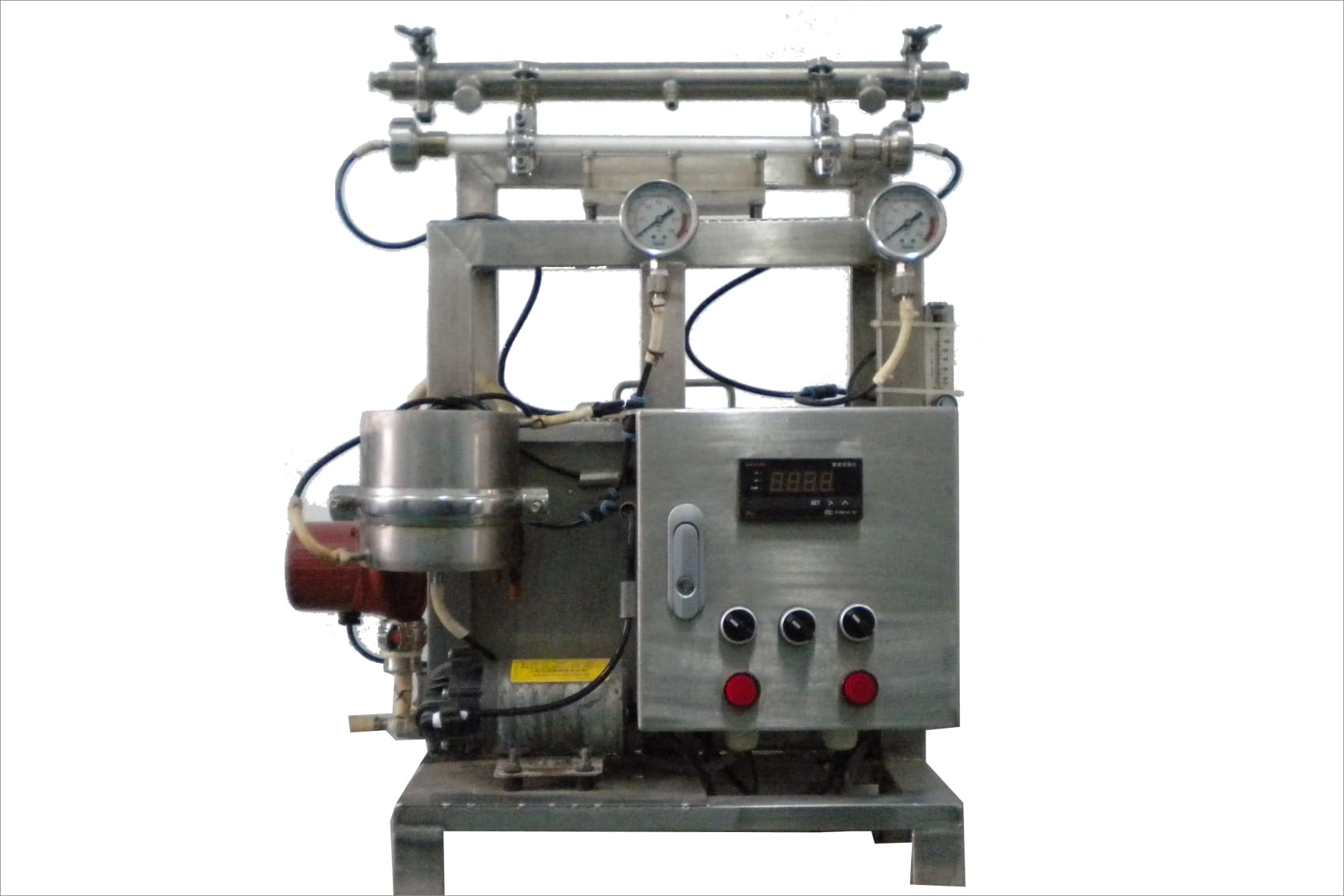
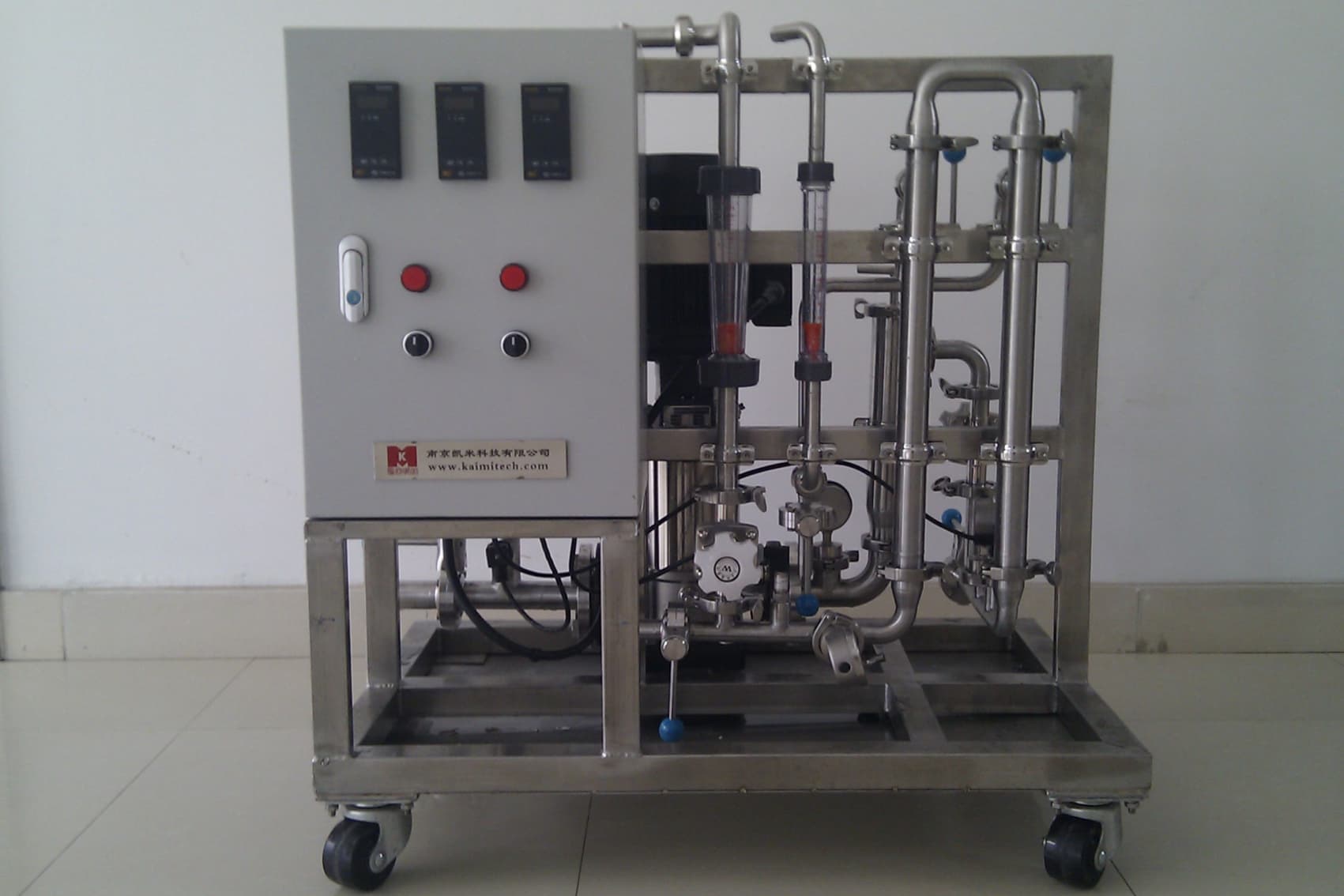
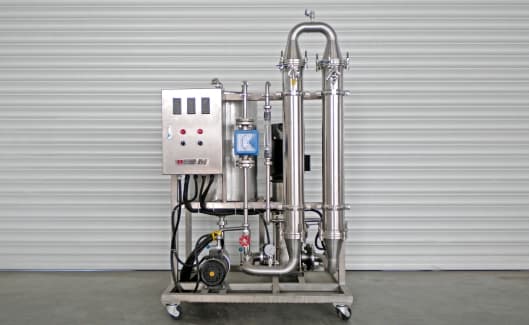
The experimental membrane module is a customized type used for industrial wastewater treatment pre-research and pilot testing, with flexible construction, pilot configuration and dimensional options.

Construction

Module construction can use stainless steel or PVC housing, single channel or many channels with different diameters, with PVDF, PES, PS and PAN material options.

Application Fit
Industrial wastewater treatment pre-researchPilot testingMembrane material comparisonSmall-scale process validation
Models / Types

Specification Examples

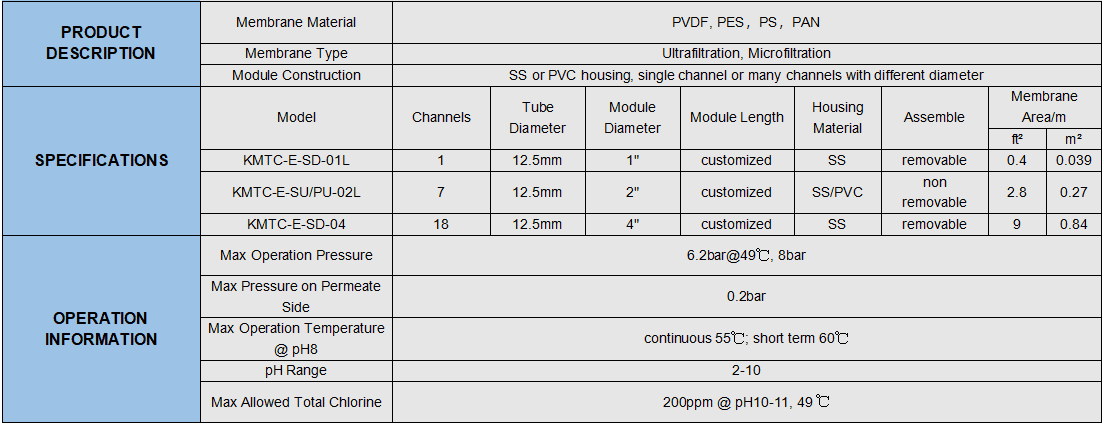
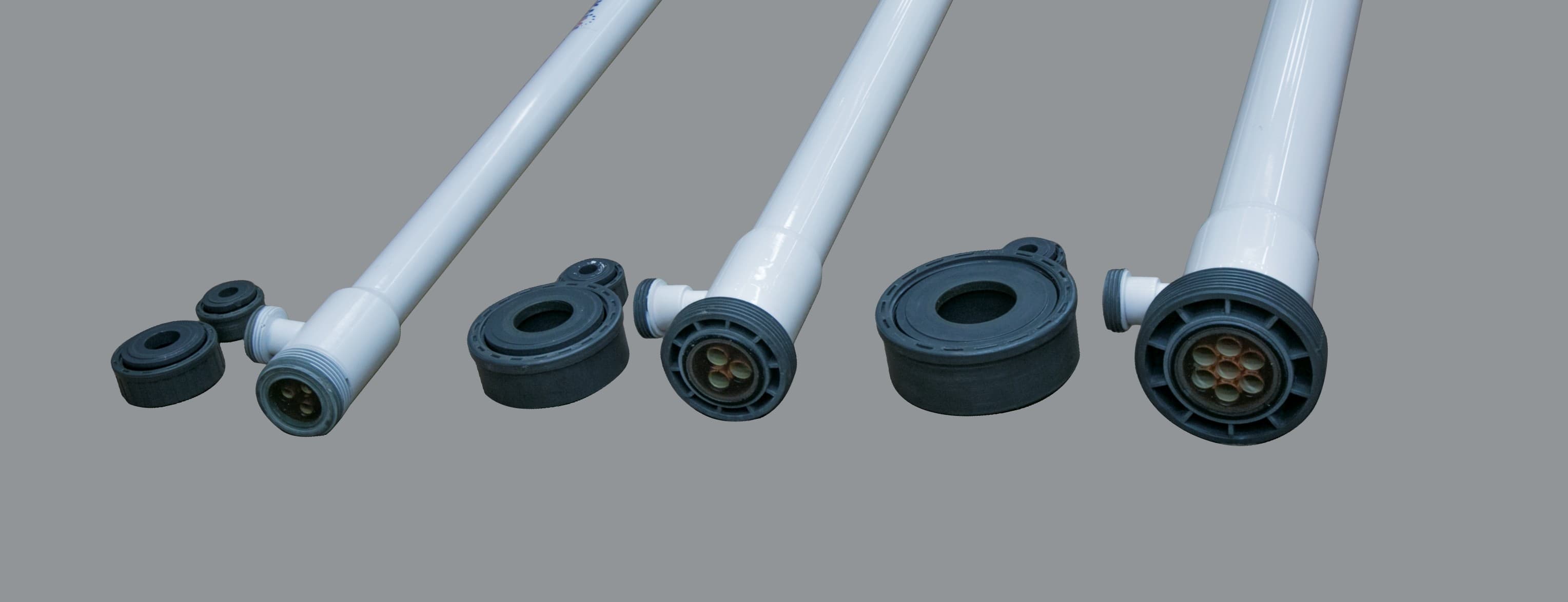
  • KMTC-E-SD-01L: 1 channel, 12.5 mm tube diameter, 1 inch module diameter
  • KMTC-E-SU/PU-02L: 7 channels, 12.5 mm tube diameter, 2 inch module diameter
  • KMTC-E-SD-04: 18 channels, 12.5 mm tube diameter, 4 inch module diameter
  • SS or PVC housing options
  • Removable and non-removable assembly options

Product Details

  • Customized module length
  • Hose coupling and joint options
  • Small membrane area for research and testing
  • Configurable diameter and channel count
  • Pilot-oriented module layout
Product Images
Experimental Membrane Module image 1
Experimental Membrane Module image 2
Experimental Membrane Module image 3
Experimental Membrane Module image 4
Experimental Membrane Module image 5
Experimental Membrane Module image 6
Experimental Membrane Module image 7
Operating Conditions
  • Max operation pressure: 6.2 bar at 49 C, 8 bar maximum
  • Max pressure on permeate side: 0.2 bar
  • Max operation temperature at pH 8: continuous 55 C, short term 60 C
  • pH range: 2-10
  • Max allowed total chlorine: 200 ppm at pH 10-11, 49 C
Tubular Membrane Equipment
Organic Tubular Membrane

Tubular Membrane Equipment

Product Overview
Open full detail page →

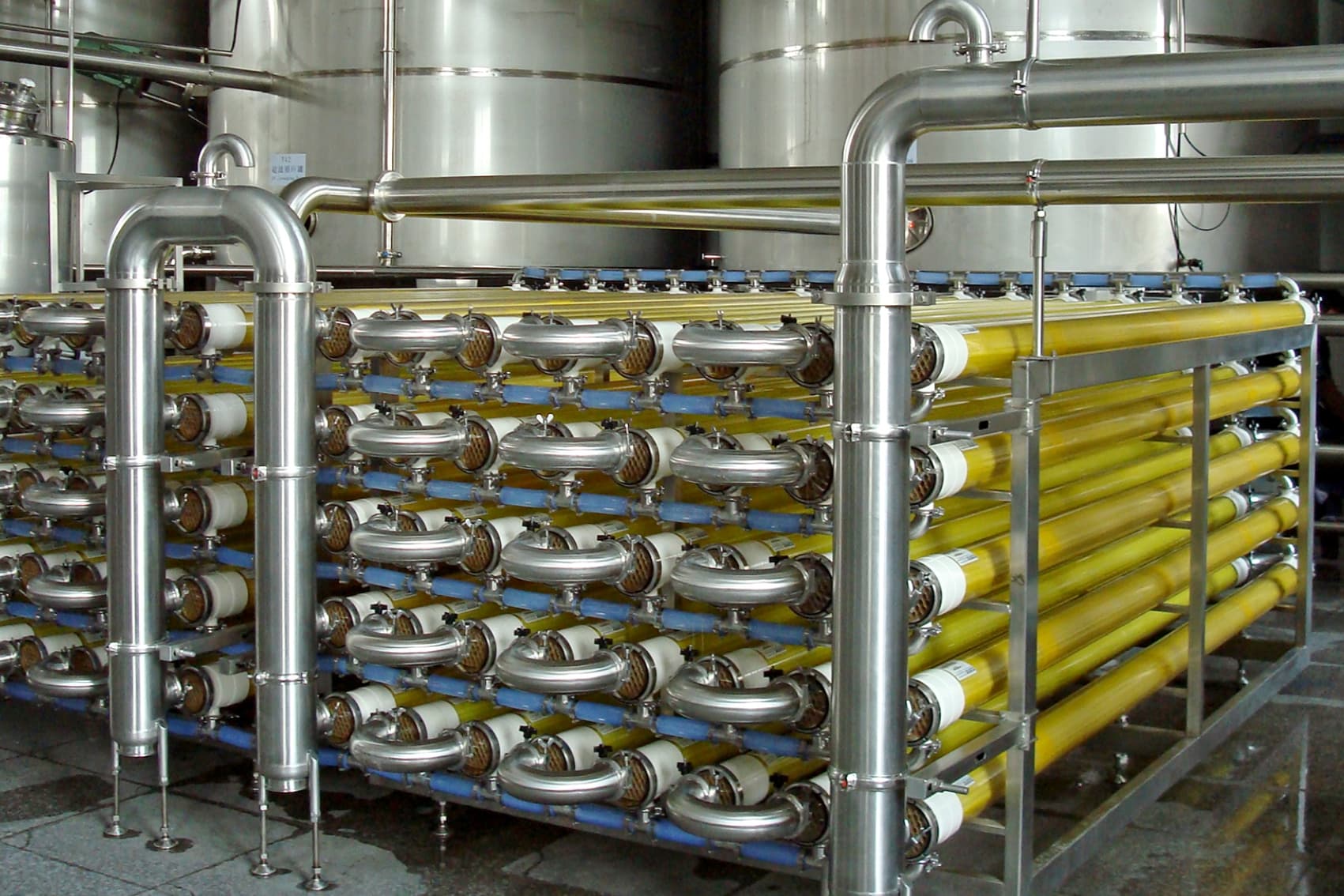
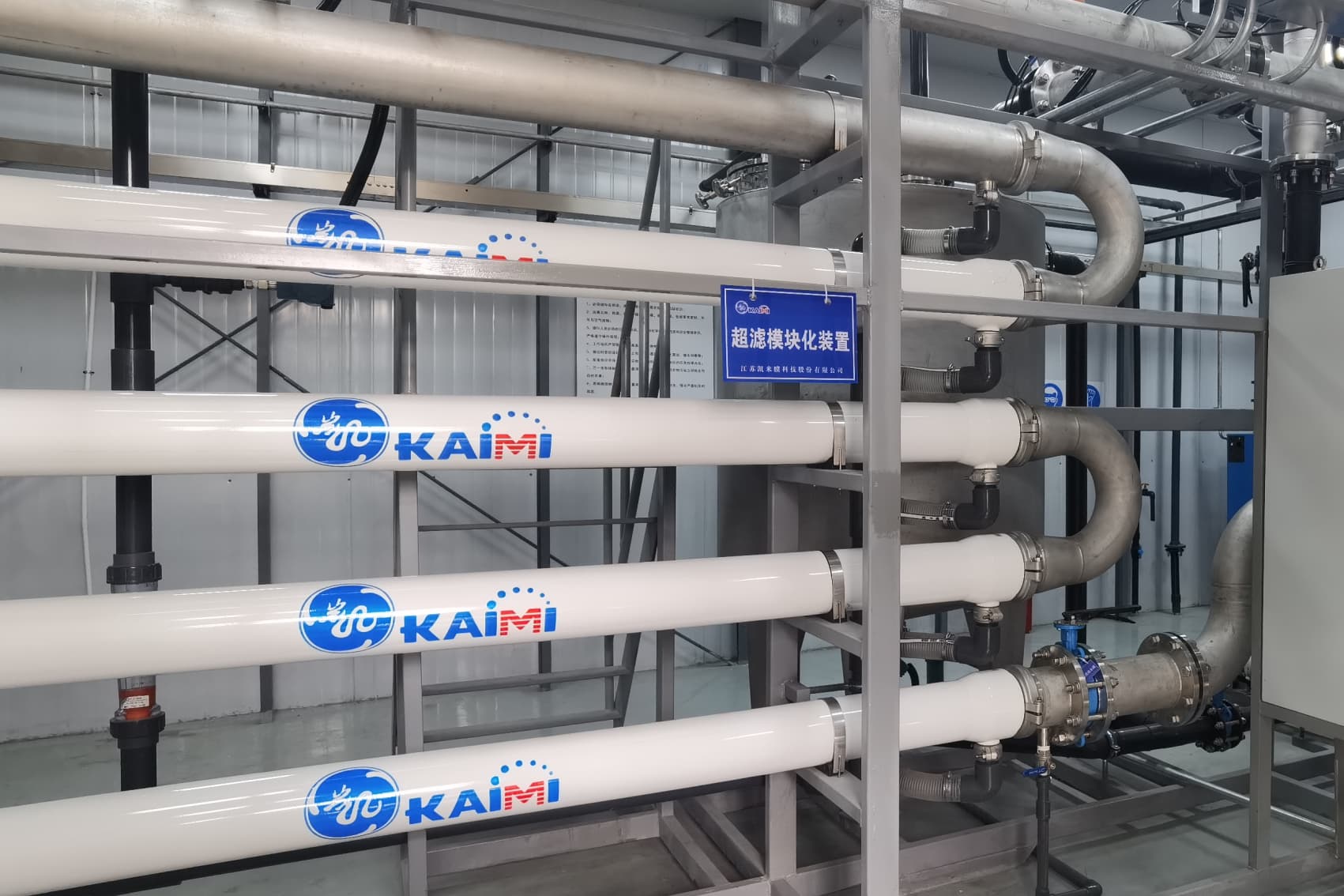
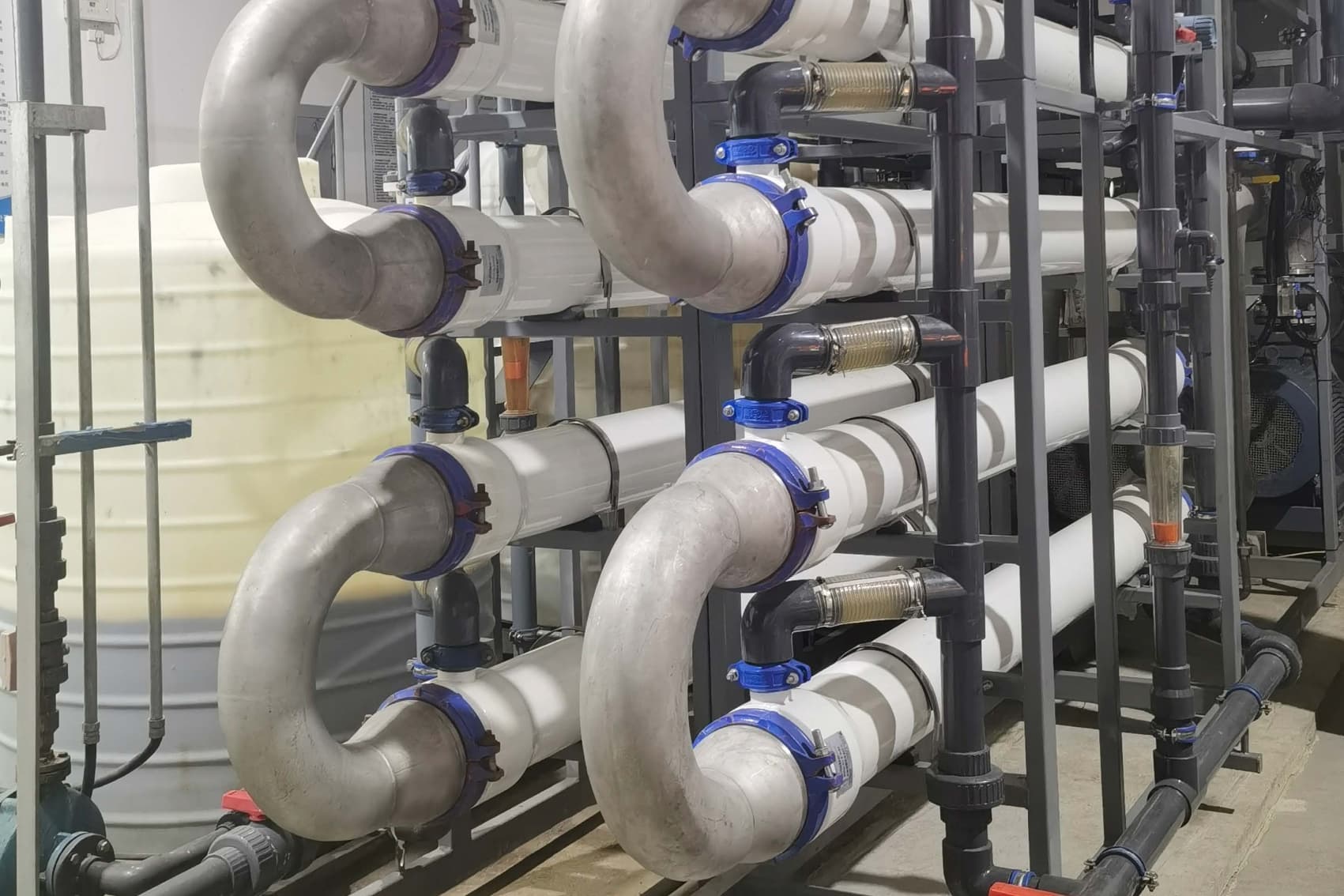
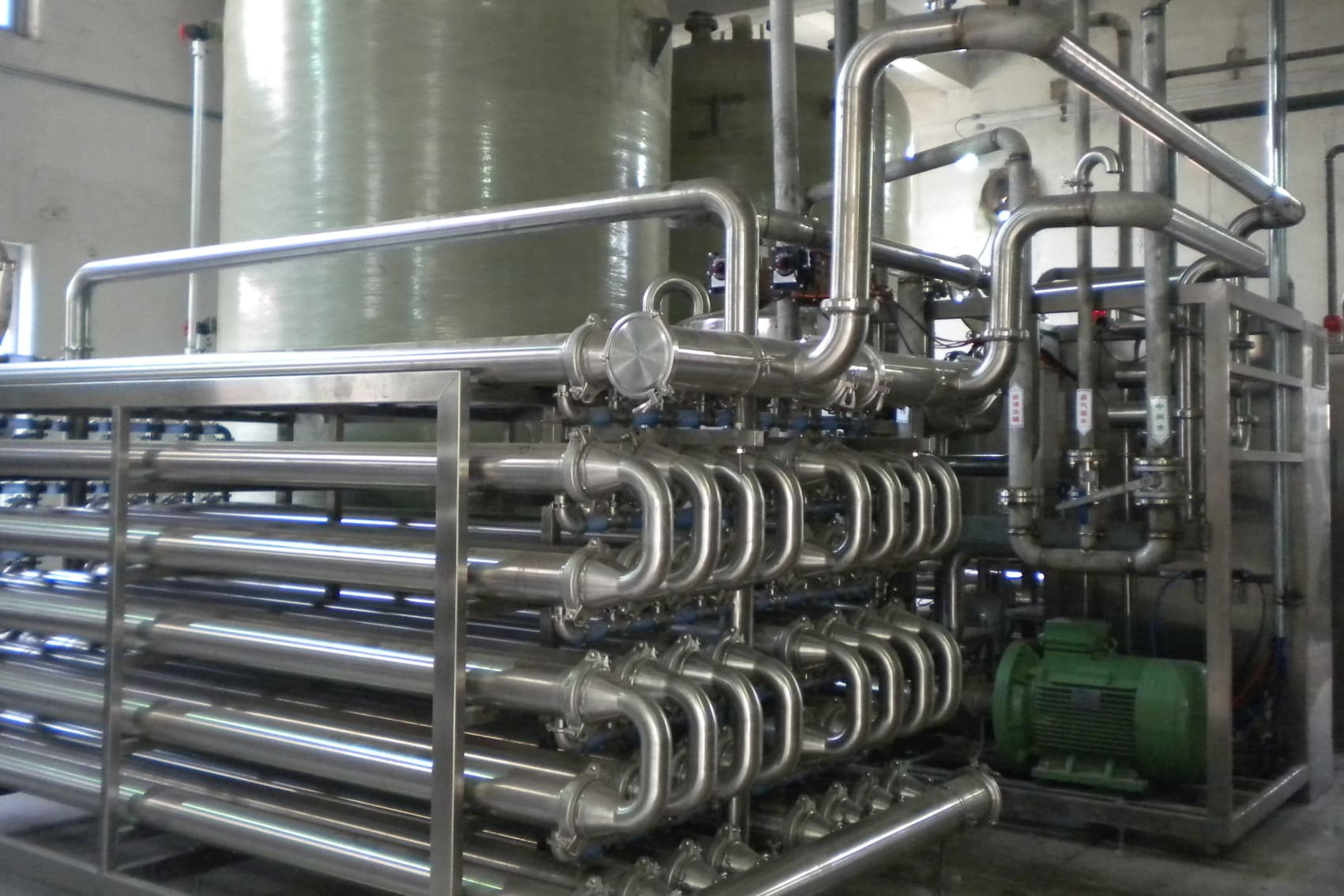
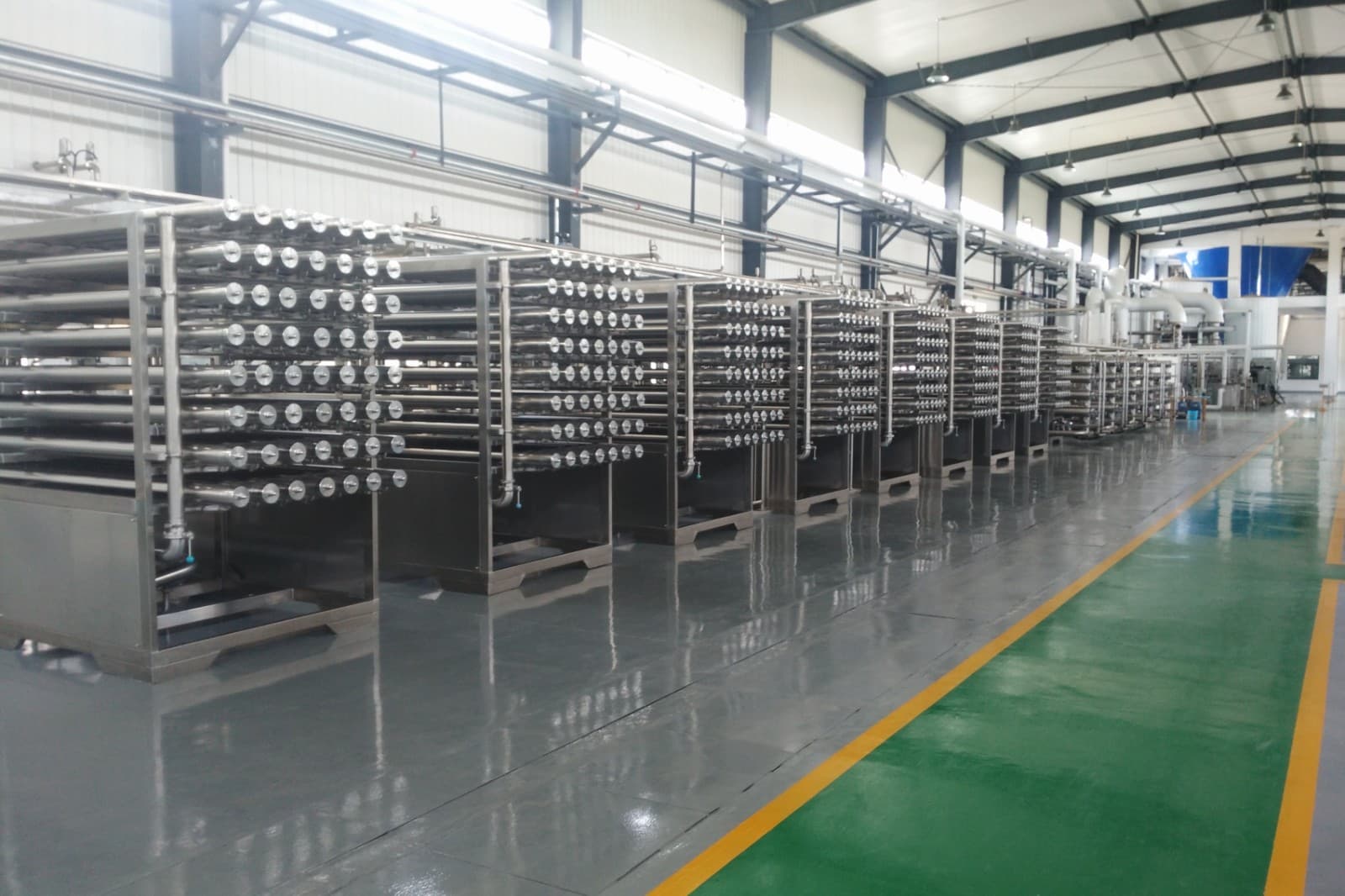
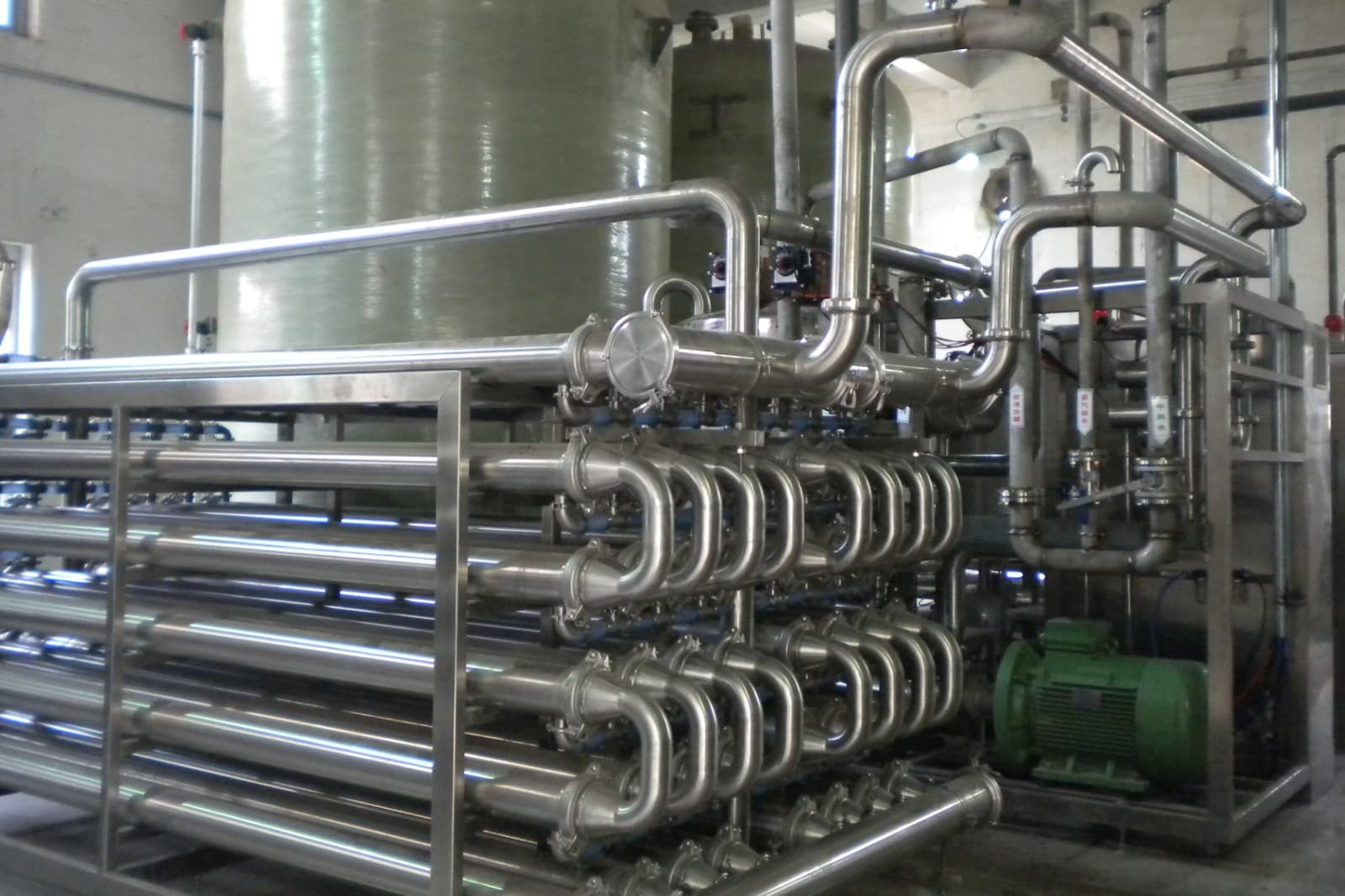
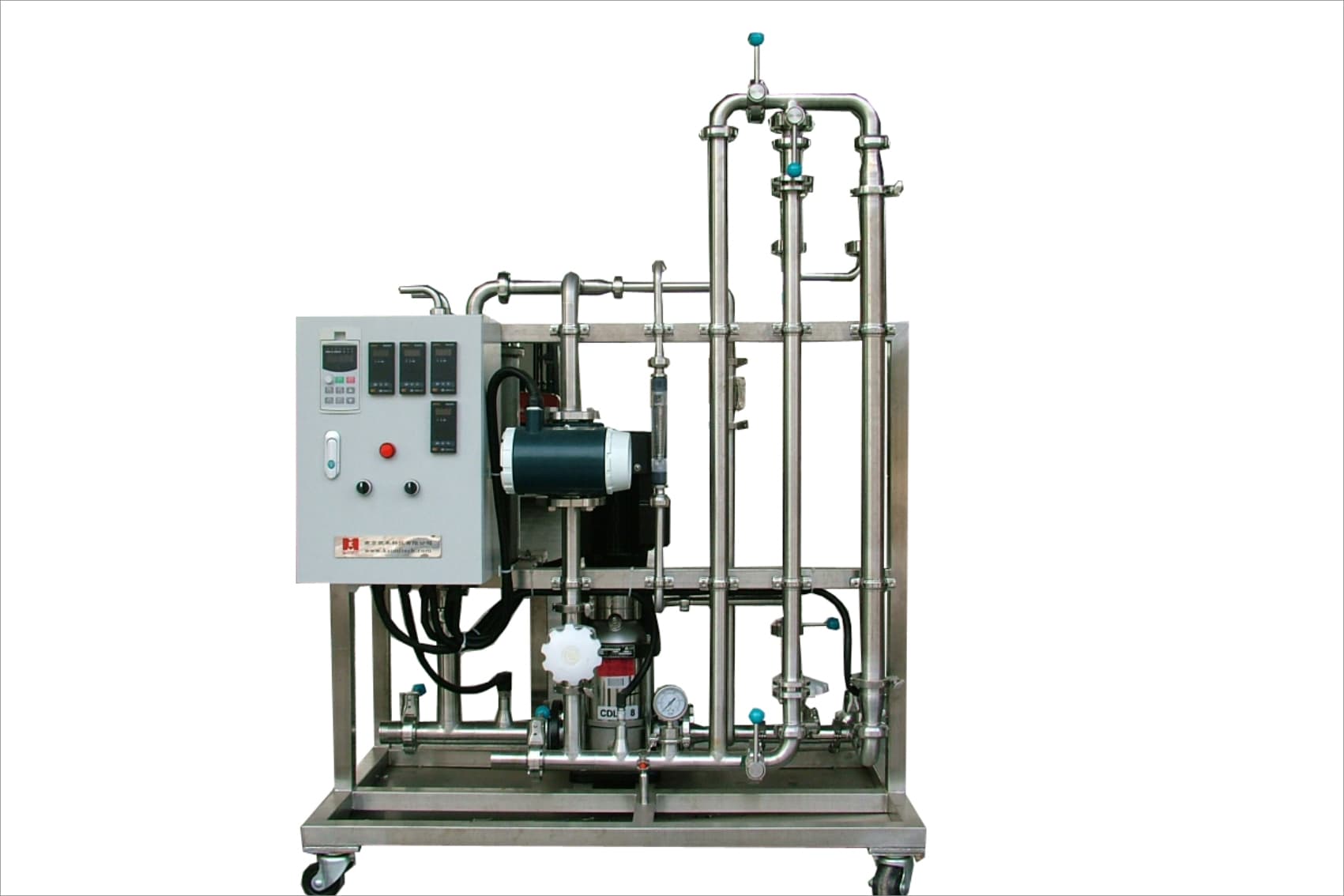
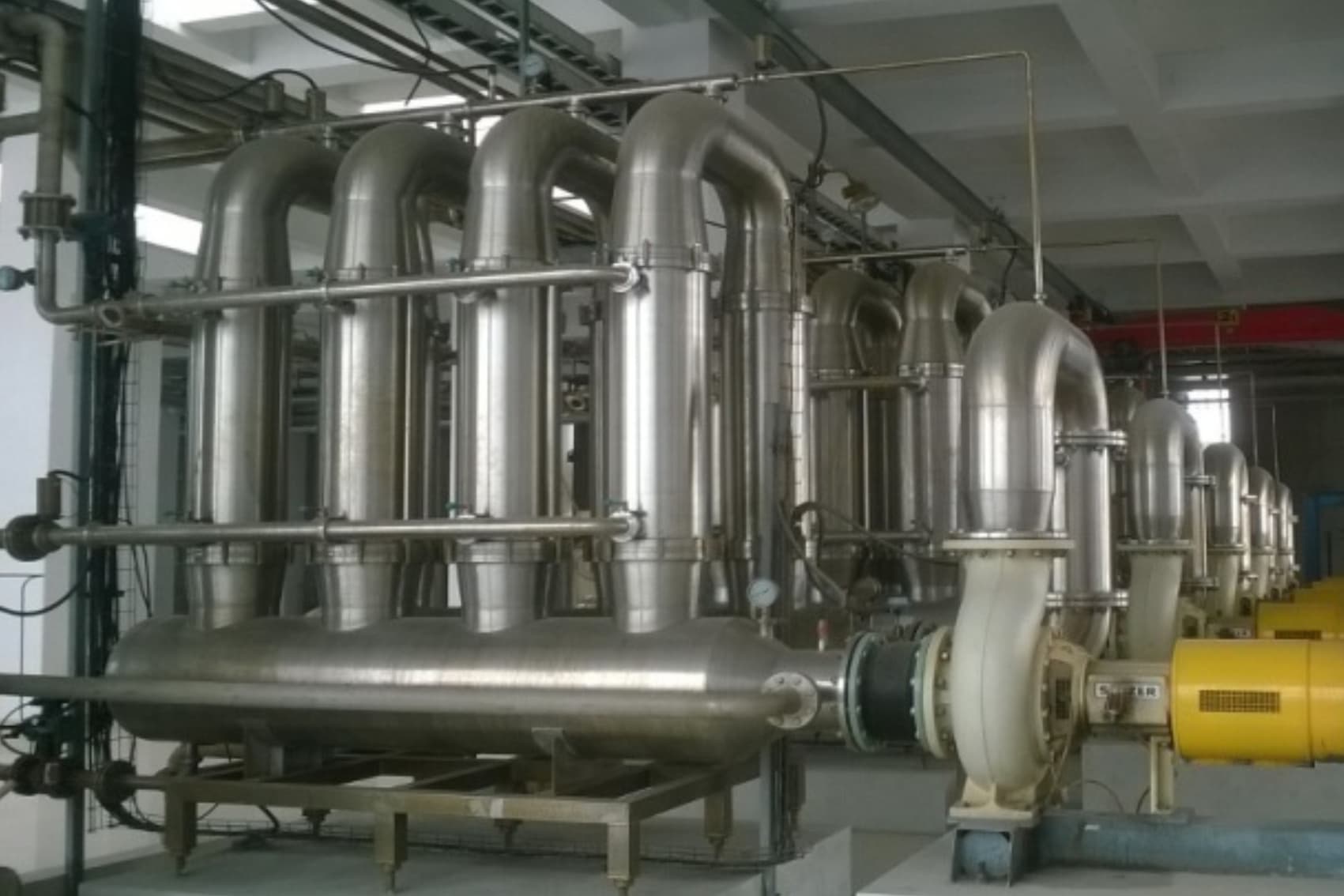
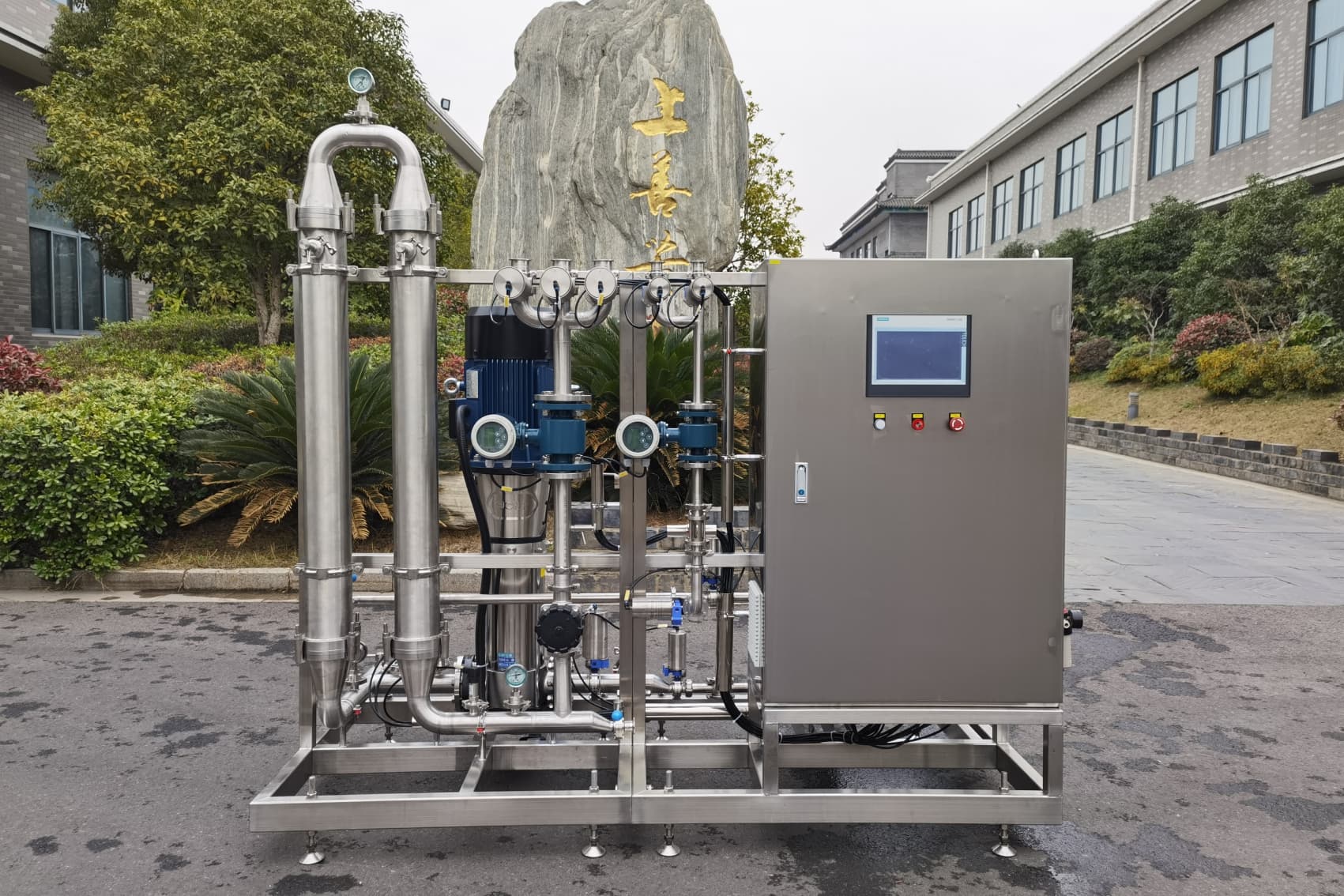
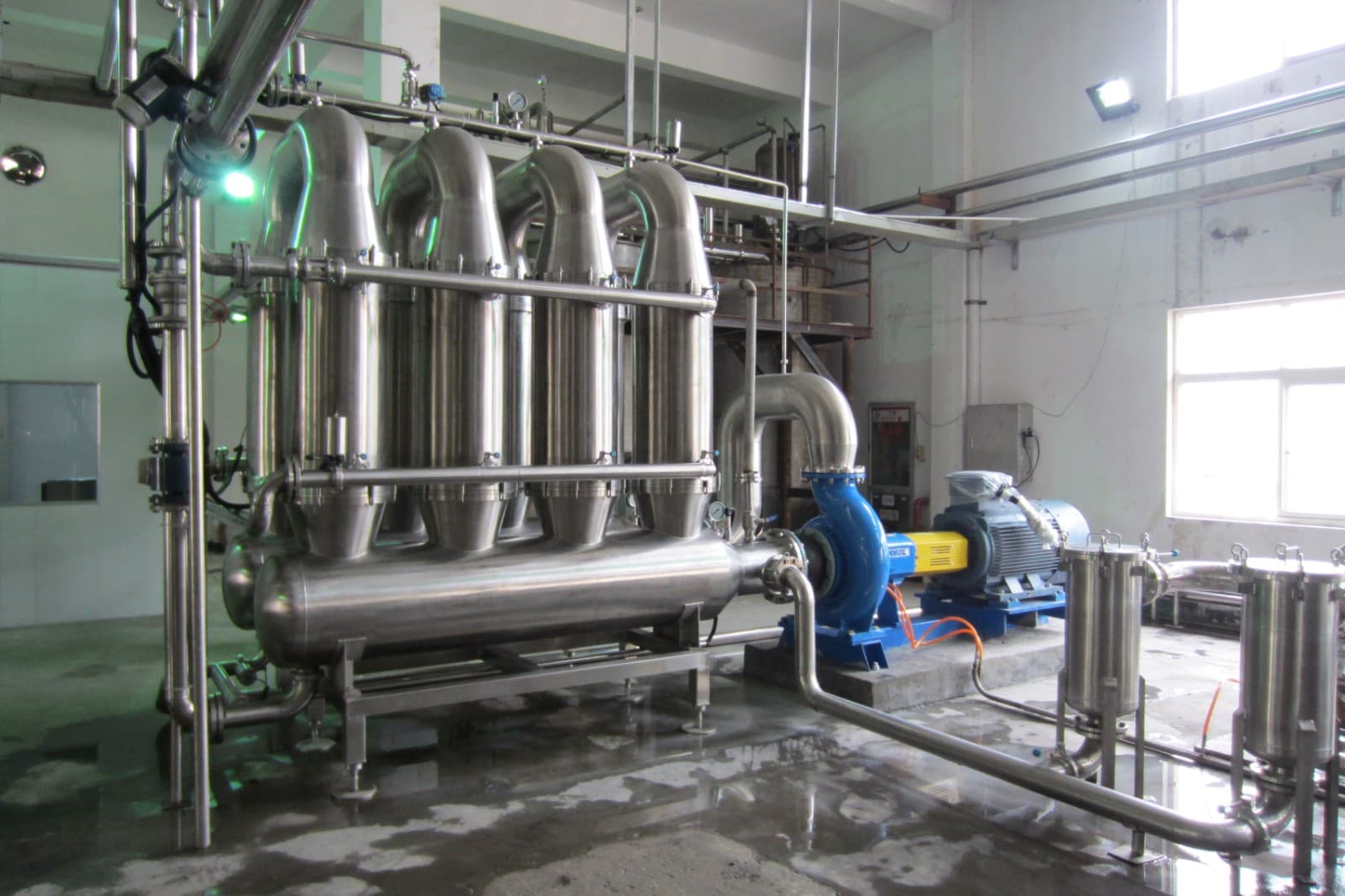
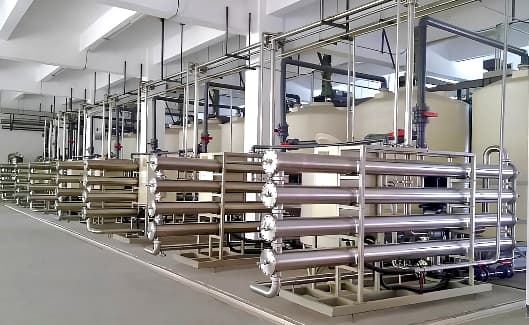
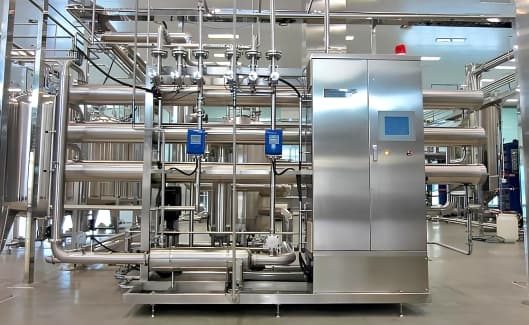
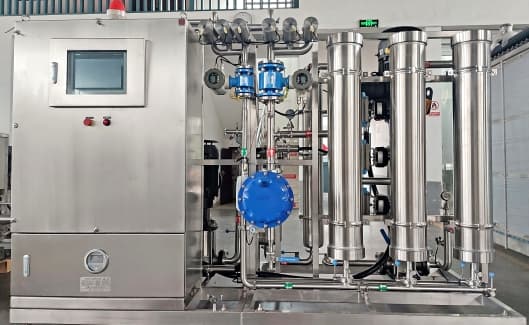
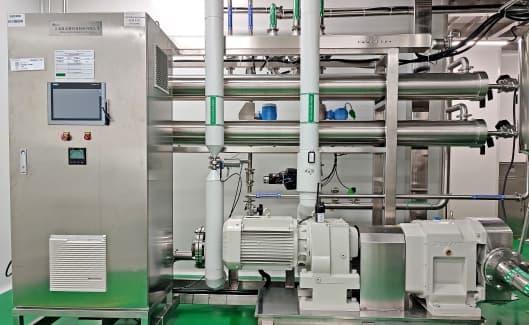
Tubular Membrane Equipment is organized around system applications rather than one single module. It connects tubular membrane equipment to juice clarification, leachate treatment, caustic recovery and pilot testing.

Construction

The equipment line shows Kaimi's engineering capability beyond membrane elements, with system-and-application use cases for treatment and recovery projects.

Application Fit
Juice clarificationLandfill leachate treatmentWaste transfer station leachate treatmentBanknote printing caustic recoveryIndustrial wastewater pilot testing
Models / Types

System Applications

  • UF System for Juice Clarification
  • External MBR System for Leachate Treatment at landfill leachate plants
  • External MBR System for leachate treatment at waste transfer stations
  • Braced Membrane System for caustic recovery
  • Tubular Membrane Pilot System for industrial wastewater pre-research

Engineering Role

  • Connects membrane modules with complete process equipment
  • Supports process testing before full-scale deployment
  • Supports treatment and recovery system references
  • Useful as a bridge from product browsing to RFQ conversation
Operating Conditions
  • UF juice clarification system route
  • External MBR leachate treatment route
  • Caustic ink wastewater recovery route
  • Ion exchange process wastewater treatment route
  • Pilot test route for industrial wastewater treatment

Inorganic Ceramic Membrane

Ceramic Membrane
Inorganic Ceramic Membrane

Ceramic Membrane

Product Overview
Open full detail page →

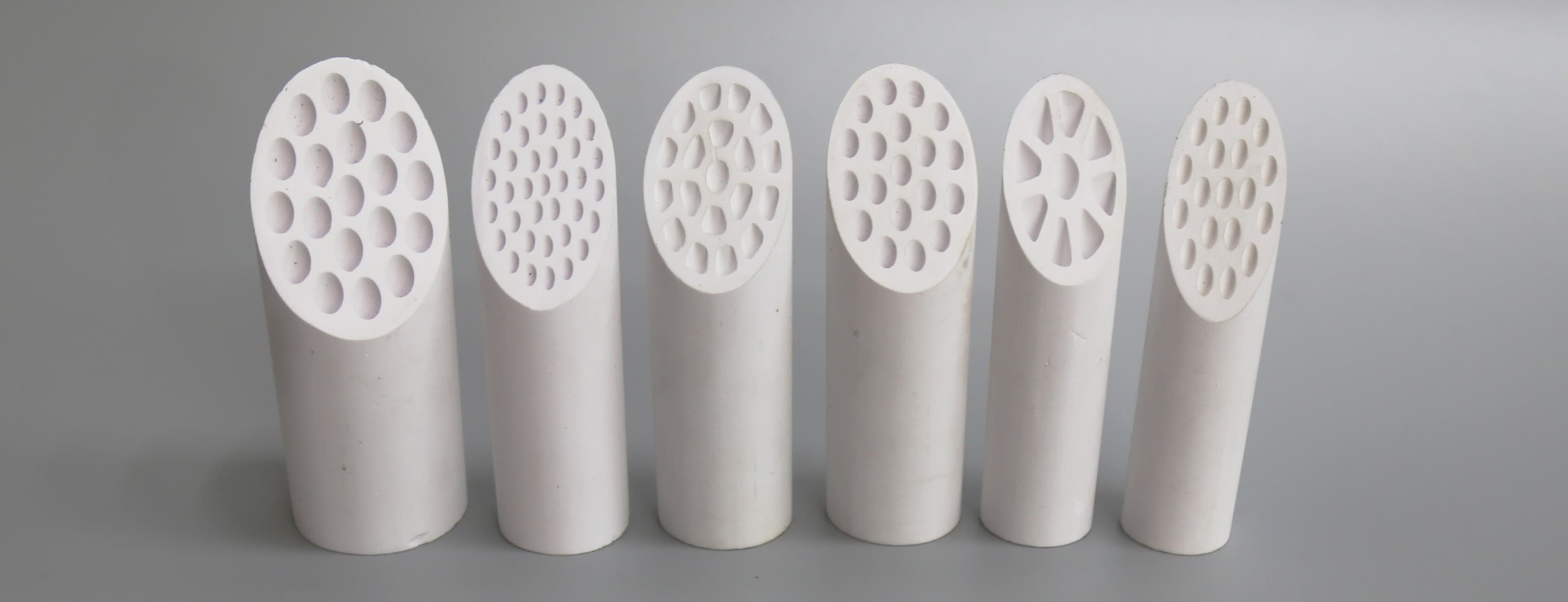
The ceramic membrane detail page focuses on ceramic membrane elements and modules. It lists pore diameter, material, compressive strength, applicable pH, temperature and module construction information.

Construction

A pressure-resistant housing filled with ceramic membrane elements forms the ceramic membrane module. Module shape and seal design are important to complete ceramic membrane system operation.

Application Fit
Chemical processingFermentation broth filtrationBiopharmaceutical clarificationBrine refiningPowder desalting
Models / Types

Ceramic Membrane Element

  • Pore diameter: 0.8 um, 0.2 um, 100 nm, 50 nm, 20 nm
  • Material: alumina, titania and other materials
  • Compressive strength: 1.0 MPa
  • Applicable pH: 0-14
  • Applicable temperature: 0-150 C

Ceramic Membrane Module

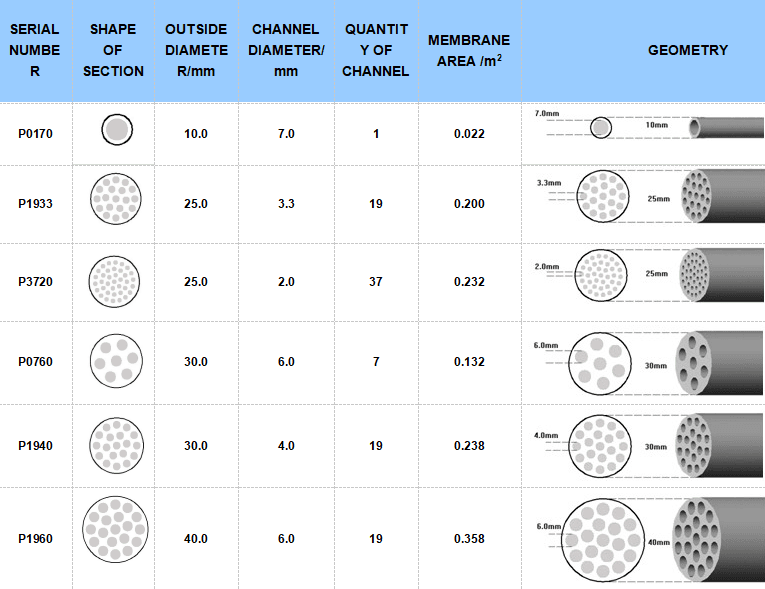
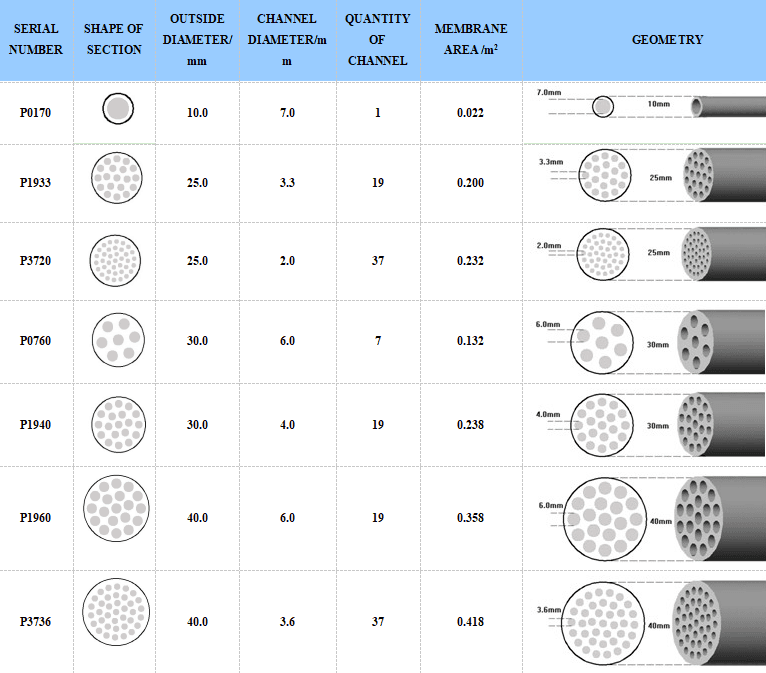
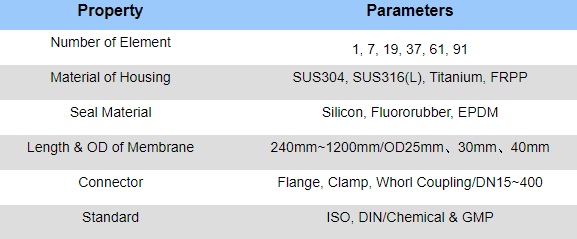
  • Number of elements: 1, 7, 19, 37, 61, 91
  • Housing material: SUS304, SUS316(L), titanium, FRPP
  • Seal material: silicon, fluororubber, EPDM
  • Membrane length and OD: 240-1200 mm / OD 25, 30, 40 mm
  • Standards: ISO, DIN, Chemical and GMP
Product Images
Ceramic Membrane image 1
Ceramic Membrane image 2
Ceramic Membrane image 3
Ceramic Membrane image 4
Ceramic Membrane image 5
Operating Conditions
  • High chemical stability
  • Acid, alkali and solvent resistance
  • High temperature resistance
  • Cleanable, sterilizable and backwashable
  • Fine separation accuracy with narrow pore size distribution
Ceramic Membrane Equipment
Inorganic Ceramic Membrane

Ceramic Membrane Equipment

Product Overview
Open full detail page →

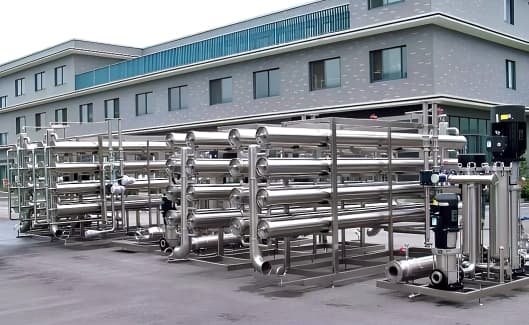
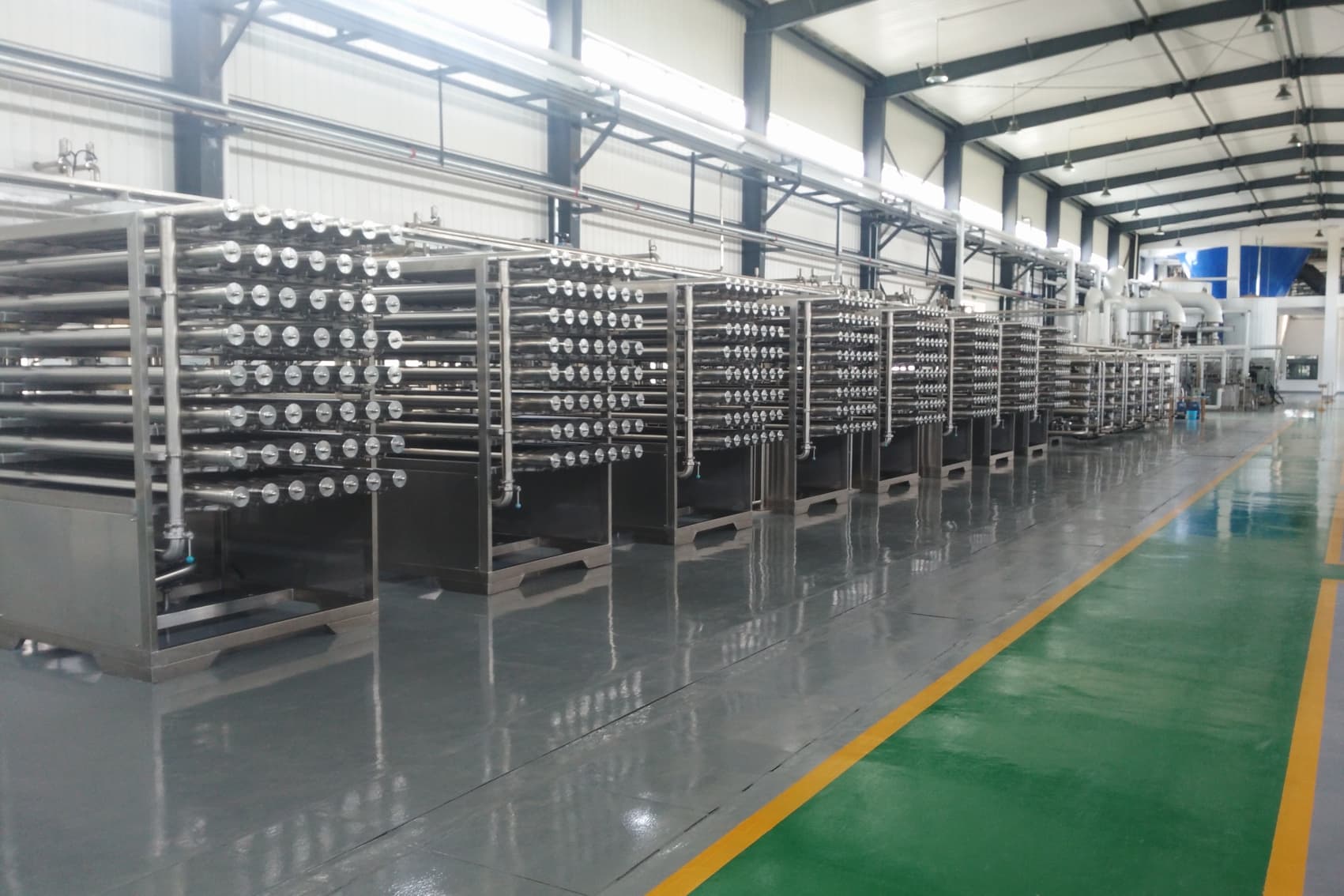
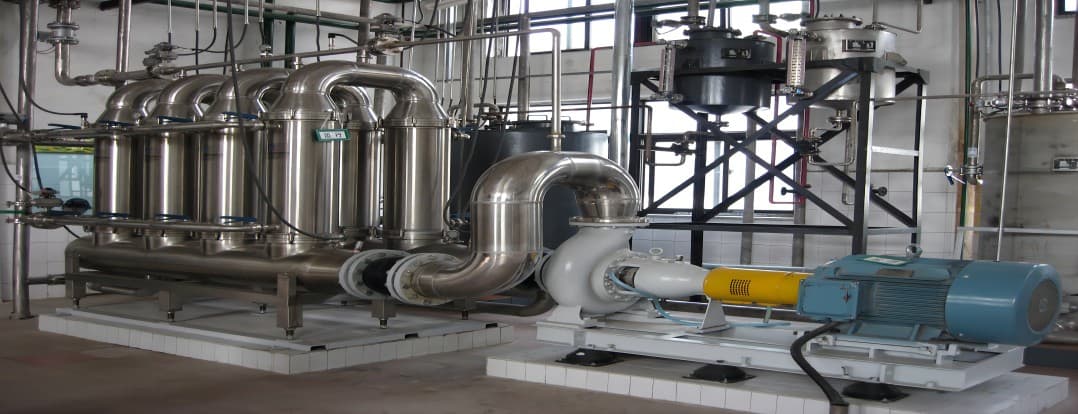
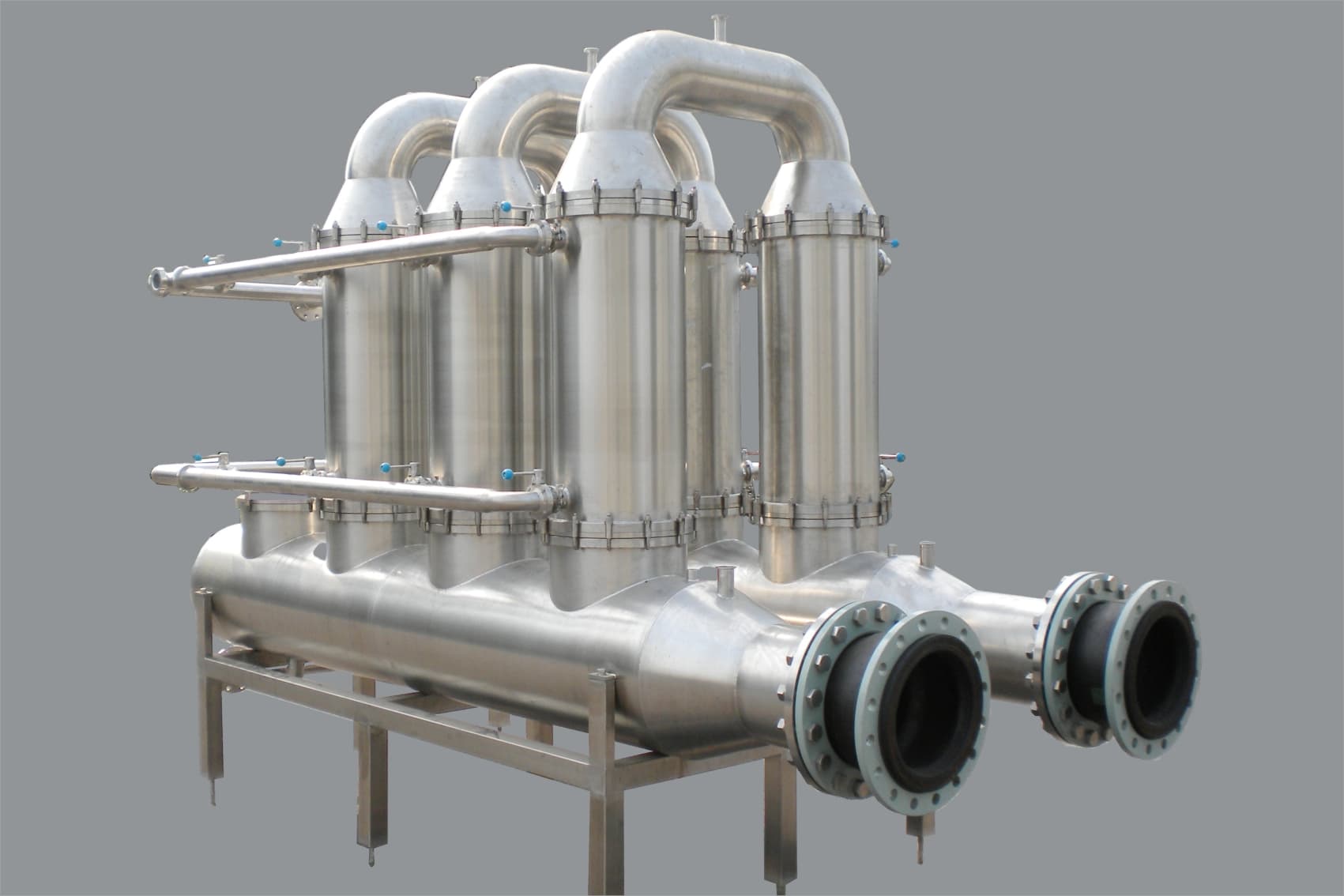
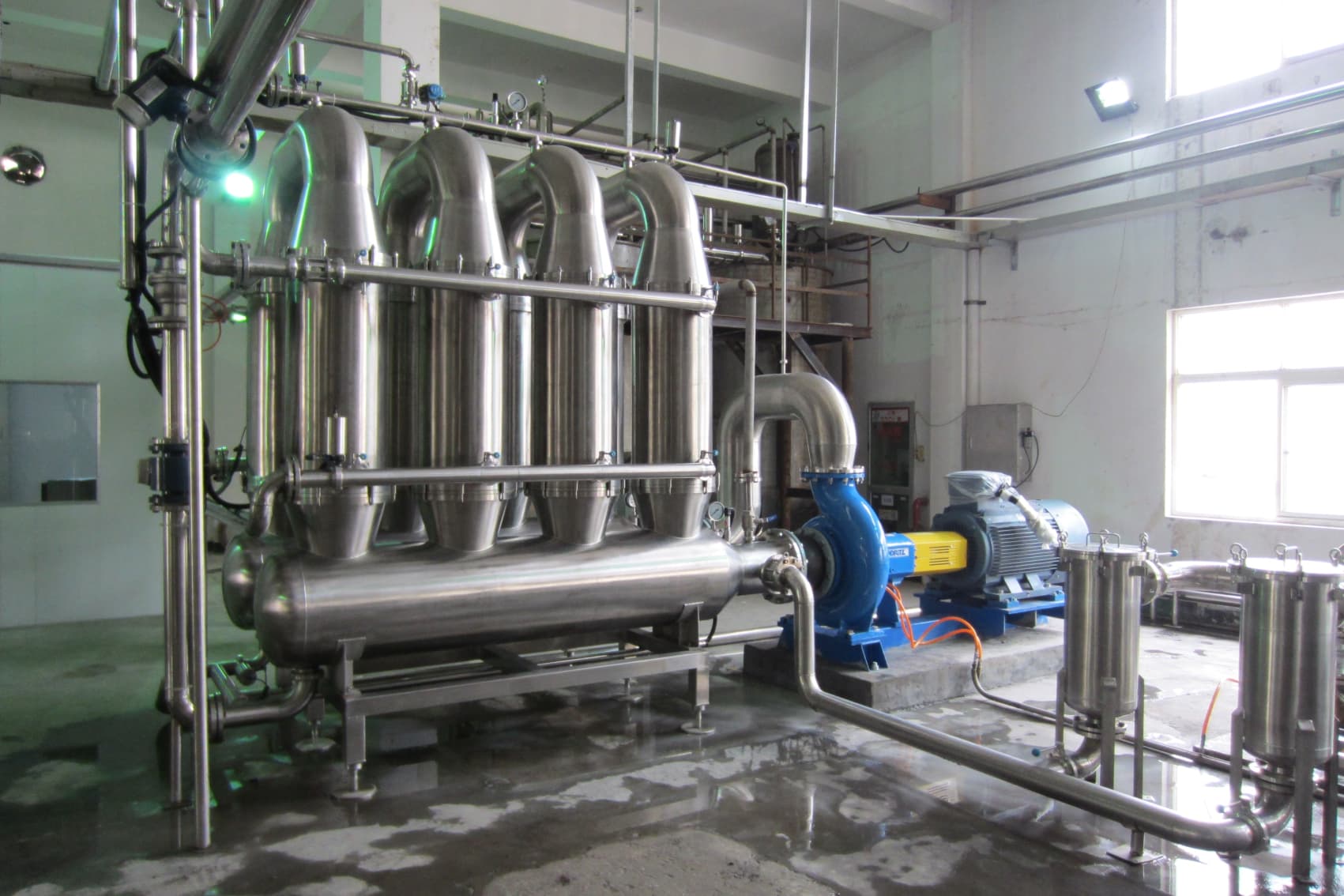
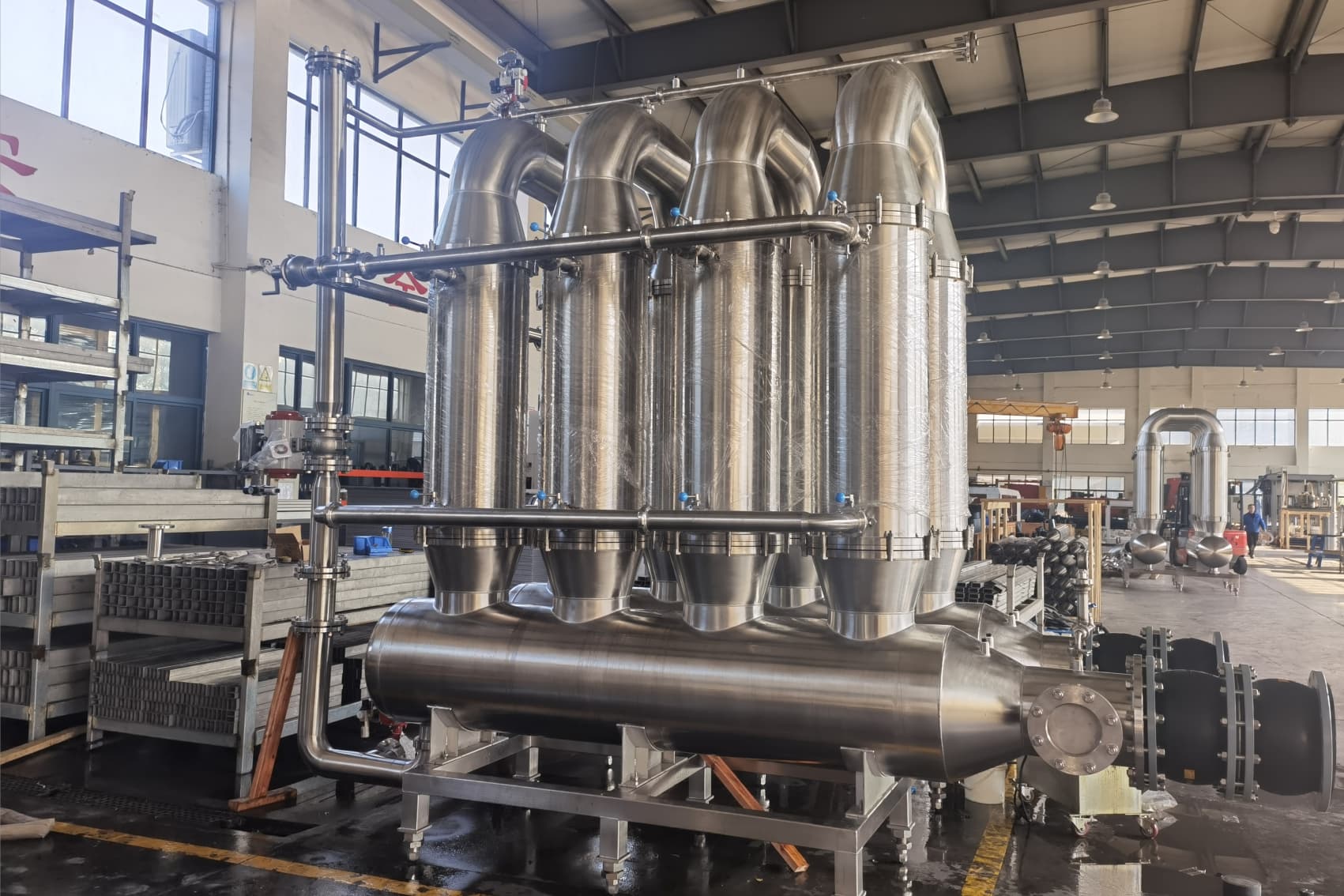
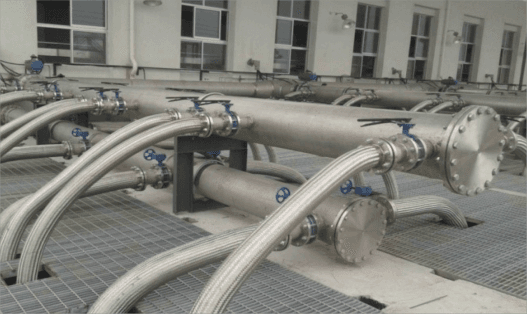
Ceramic membrane equipment extends ceramic membrane products into integrated industrial systems. The equipment skids, process routes and application installations support project evaluation.

Construction

This section is treated as a system-level catalog entry in the new site so buyers can move from ceramic membrane element information into equipment configuration and project discussion.

Application Fit
Brine refiningFermentation broth clarificationChemical wastewaterBiopharmaceutical process filtrationPowder desalting
Models / Types

Equipment Positioning

  • Ceramic membrane equipment for industrial filtration and separation
  • System-level implementation around ceramic membrane modules
  • Useful for harsh chemical or high-temperature process streams
  • Supports application-specific equipment configuration

Visual Coverage

  • Equipment photos
  • System arrangement images
  • Application visuals
  • Process-support imagery
Operating Conditions
  • Ceramic membrane module integration
  • Industrial equipment configuration
  • Chemical-resistant system route
  • Cleanable and durable process equipment

Hollow Fiber Membrane

Hollow Fiber Membrane Equipment
Hollow Fiber Membrane

Hollow Fiber Membrane Equipment

Product Overview
Open full detail page →

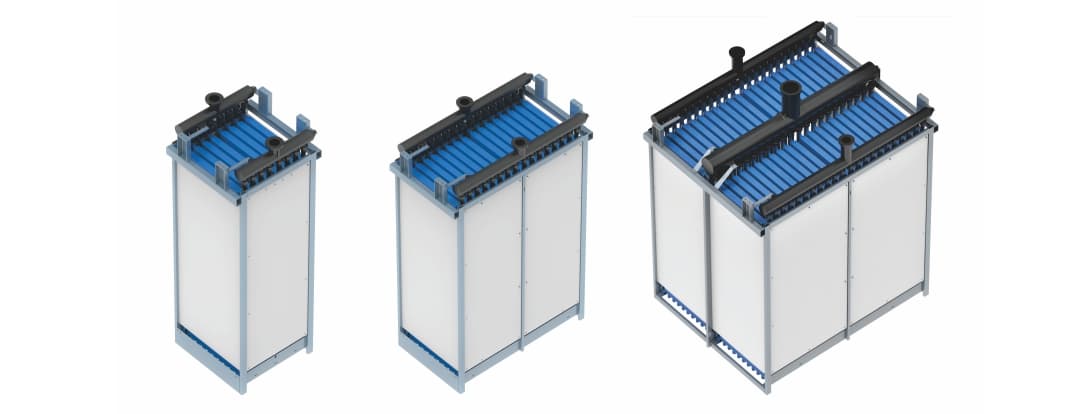
Hollow fiber equipment belongs to the MBR and wastewater treatment product system. MBR combines activated sludge biological treatment with membrane separation.

Construction

The equipment supports efficient pollutant removal, compact footprint, automated control and reuse-oriented municipal or industrial wastewater treatment.

Application Fit
Municipal sewage treatmentIndustrial wastewater treatment and reuseRO pretreatmentDecentralized wastewater treatment
Models / Types

MBR System Role

  • Replaces secondary sedimentation tank
  • Improves bioreactor sludge concentration
  • Increases sludge age and reduces excess sludge
  • Improves permeate water quality

Operating Benefits

  • Efficient pollutant removal
  • Simple and compact system
  • Automatic control and easy maintenance
  • Fast system startup
  • Can be used as RO pretreatment
Product Images
Hollow Fiber Membrane Equipment image 1
Hollow Fiber Membrane Equipment image 2
Hollow Fiber Membrane Equipment image 3
Hollow Fiber Membrane Equipment image 4
Hollow Fiber Membrane Equipment image 5
Hollow Fiber Membrane Equipment image 6
Hollow Fiber Membrane Equipment image 7
Operating Conditions
  • MBR treatment route
  • Hydraulic retention time and sludge retention time separation
  • High activated sludge concentration
  • Compact footprint
  • Automatic control

Organic Spiral Membrane

Organic Spiral Membrane Equipment
Organic Spiral Membrane

Organic Spiral Membrane Equipment

Product Overview
Open full detail page →

The organic spiral membrane product family describes sealed envelope-like membrane bags wound around a porous center tube. Spiral equipment carries this membrane format into system-level water and material separation applications.

Construction

The product line distinguishes material membranes with wider flow channels from water membranes with narrower flow channels, giving buyers a clearer basis for equipment selection.

Application Fit
Material separationWater treatmentRO / NF system routeCompact process separation
Models / Types

Spiral Membrane Route

  • Flat membrane sealed into envelope-like membrane bags
  • Mesh spacing material between membrane bags
  • Wound around a porous center tube
  • Placed into a circular pressure vessel

Product Positioning

  • Material separation membrane with wider flow channels
  • Water treatment membrane with narrower flow channels
  • Large loading area
  • Multiple feed flow channels
Operating Conditions
  • Stable long-term operation
  • High pressure resistance
  • Tolerance to chemical solvent and temperature variation
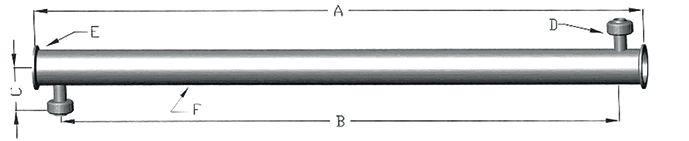
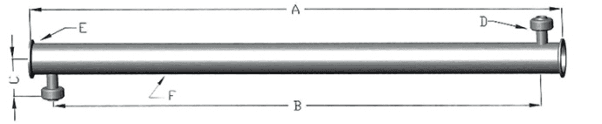
  • Axial feed flow with radial permeate collection

Containerized Mobile Wastewater Treatment System

Containerized Mobile Wastewater Treatment System

Containerized Mobile Wastewater Treatment System

Product Overview
Open full detail page →

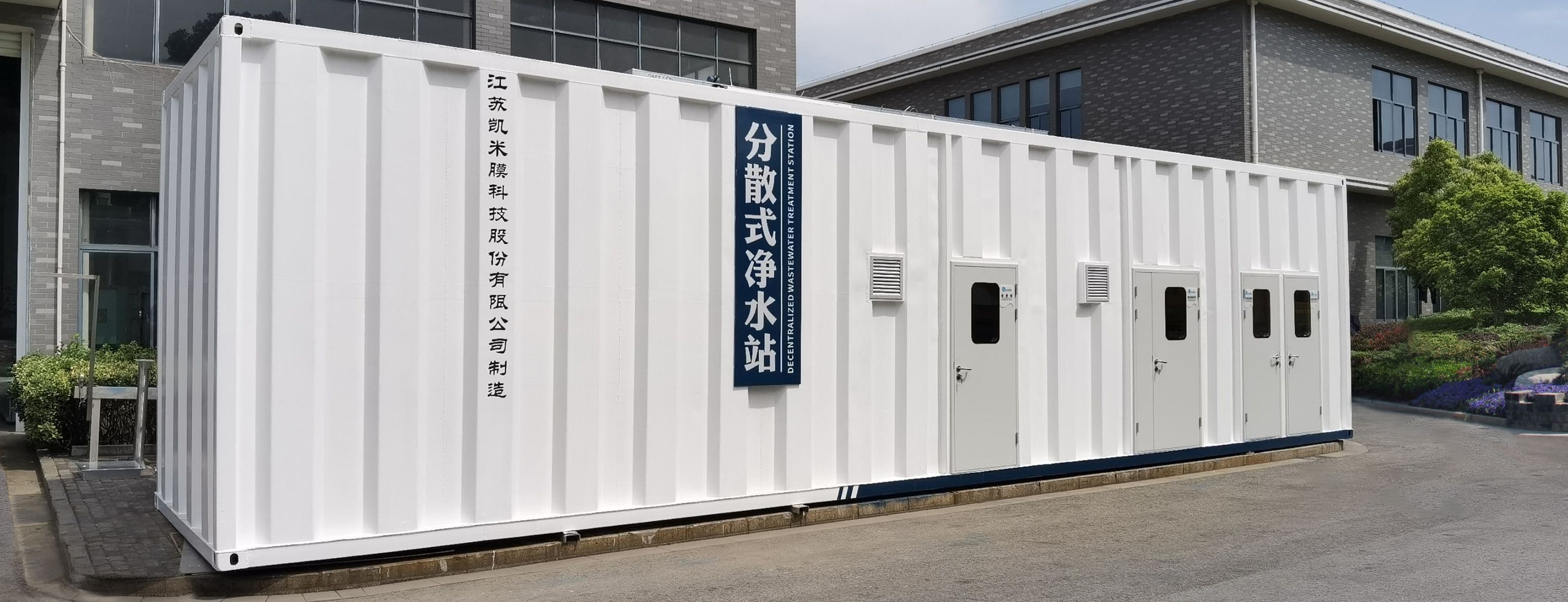
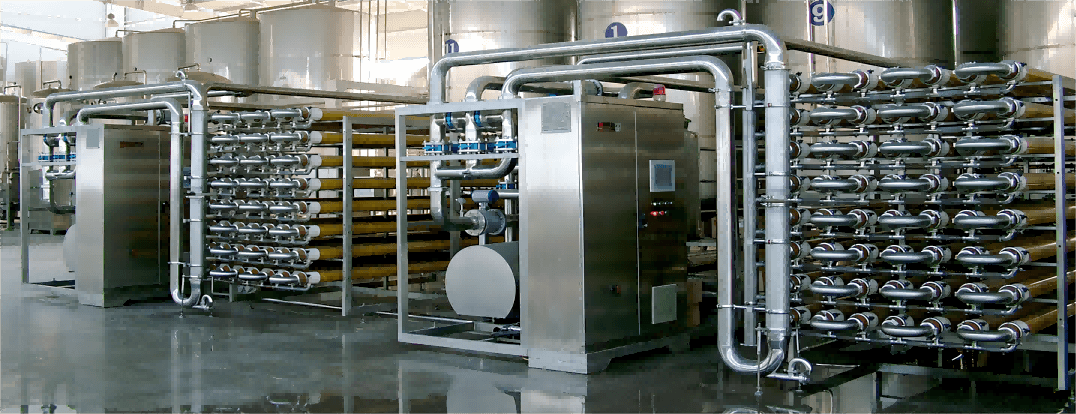
The containerized mobile wastewater treatment system is a packaged treatment system with all wastewater treatment equipment preinstalled in an ISO shipping container. One set can process 200-500 m3/d and can be reused or combined.

Construction

The system combines advanced membrane technology with biofilm technology, Kaimi Double Header Design MBR modules and intelligent management for 24/7 online monitoring.

Application Fit
Decentralized wastewater treatmentTemporary wastewater treatmentEmergency treatment capacityRural and dispersed sewageIndustrial plant expansion support
Models / Types

Technology Advantages

  • Membrane technology combined with biofilm technology
  • Double Header Design MBR modules
  • Premium quality, high flux and anti-fouling behavior
  • Average membrane aperture can reach 30 nm

  • Intelligent platform for 24/7 online monitoring
System Features

  • Modular design
  • Fully automatic and plug and play
  • Small footprint
  • Easy relocation
  • Noise isolation and less CAPEX
Product Images
Containerized Mobile Wastewater Treatment System image 1
Containerized Mobile Wastewater Treatment System image 2
Operating Conditions
  • 200-500 m3/d single-set processing capacity
  • Reusable and combinable
  • Smart O&M remote control
  • ISO shipping container installation
  • Decentralized or temporary wastewater treatment